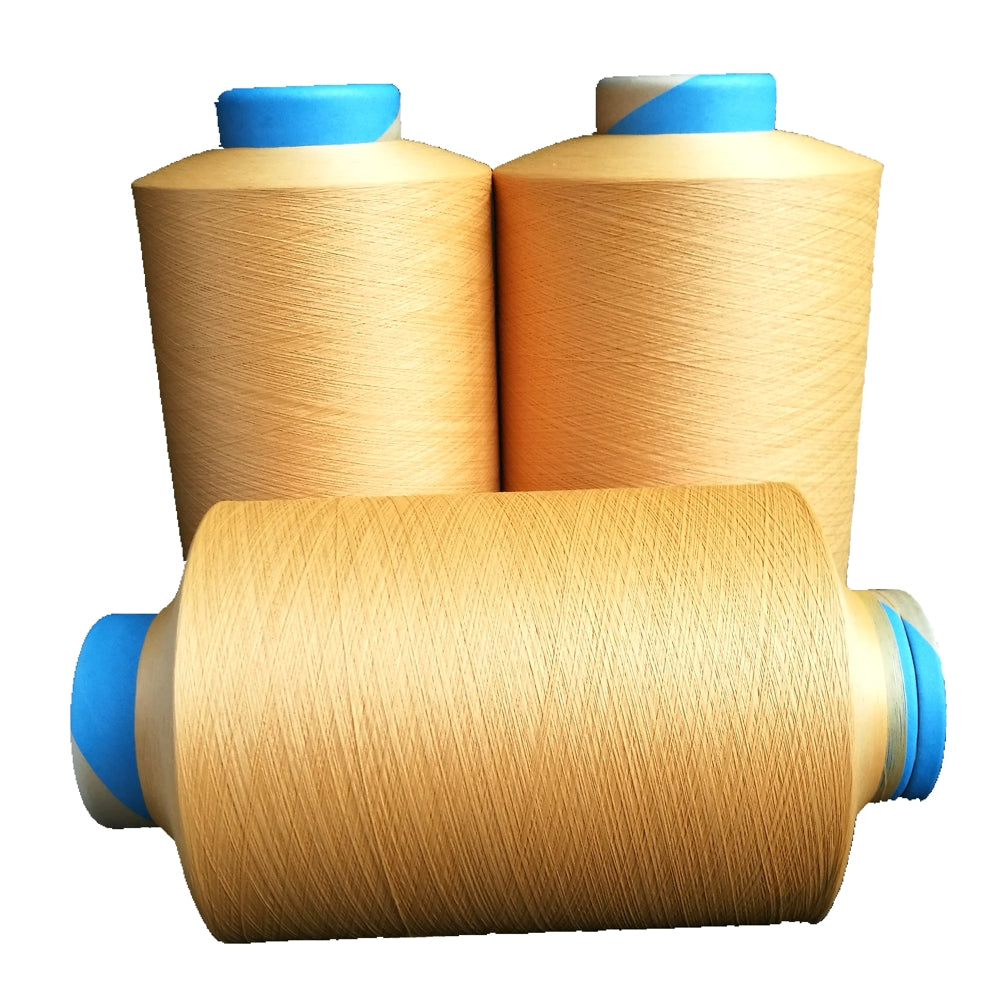
Leitfähiges Kupfer-Polyestergarn für biometrische Sensorik und HF-Abschirmung
Leitfähiges Kupfer-Polyestergarn für biometrische Sensorik und HF-Abschirmung
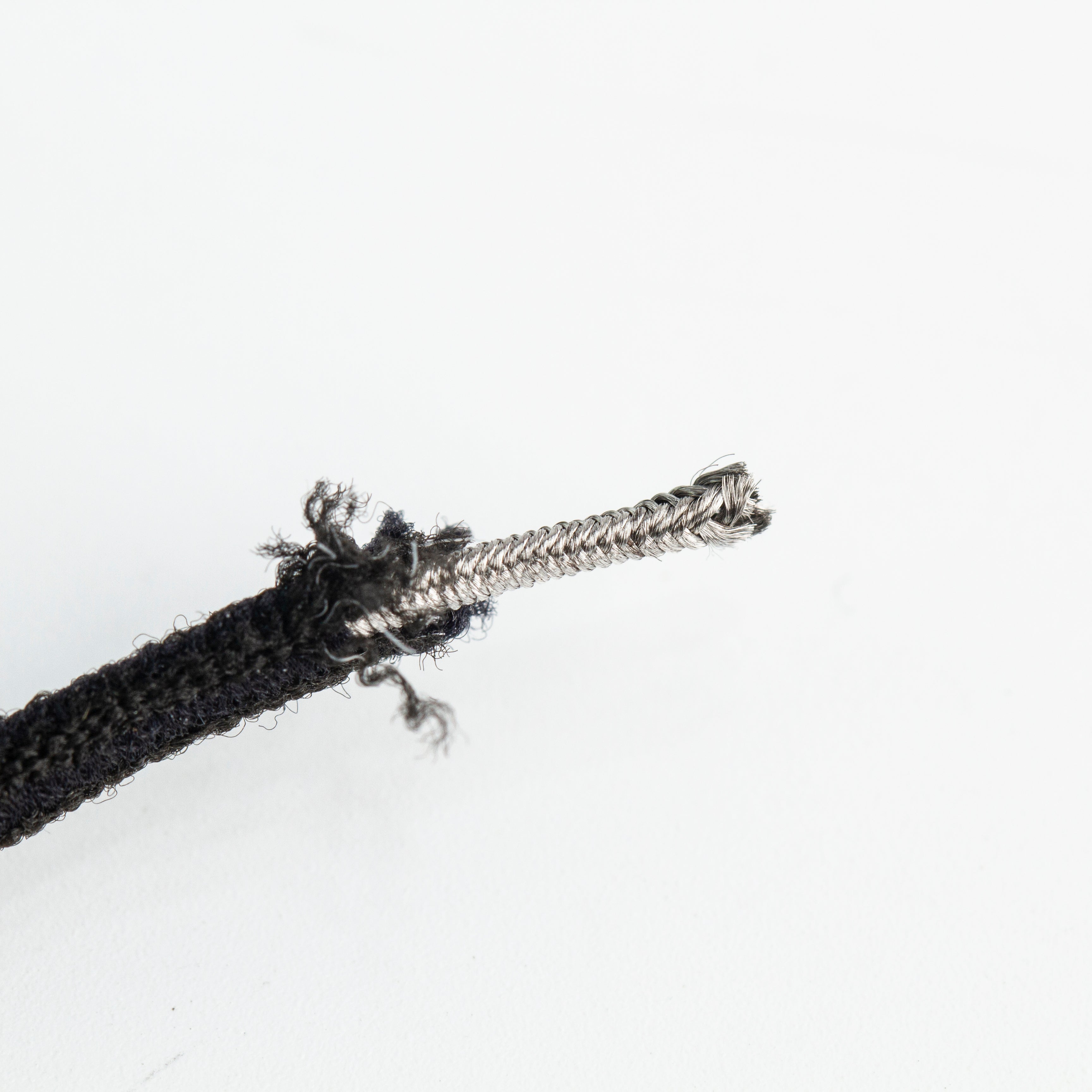
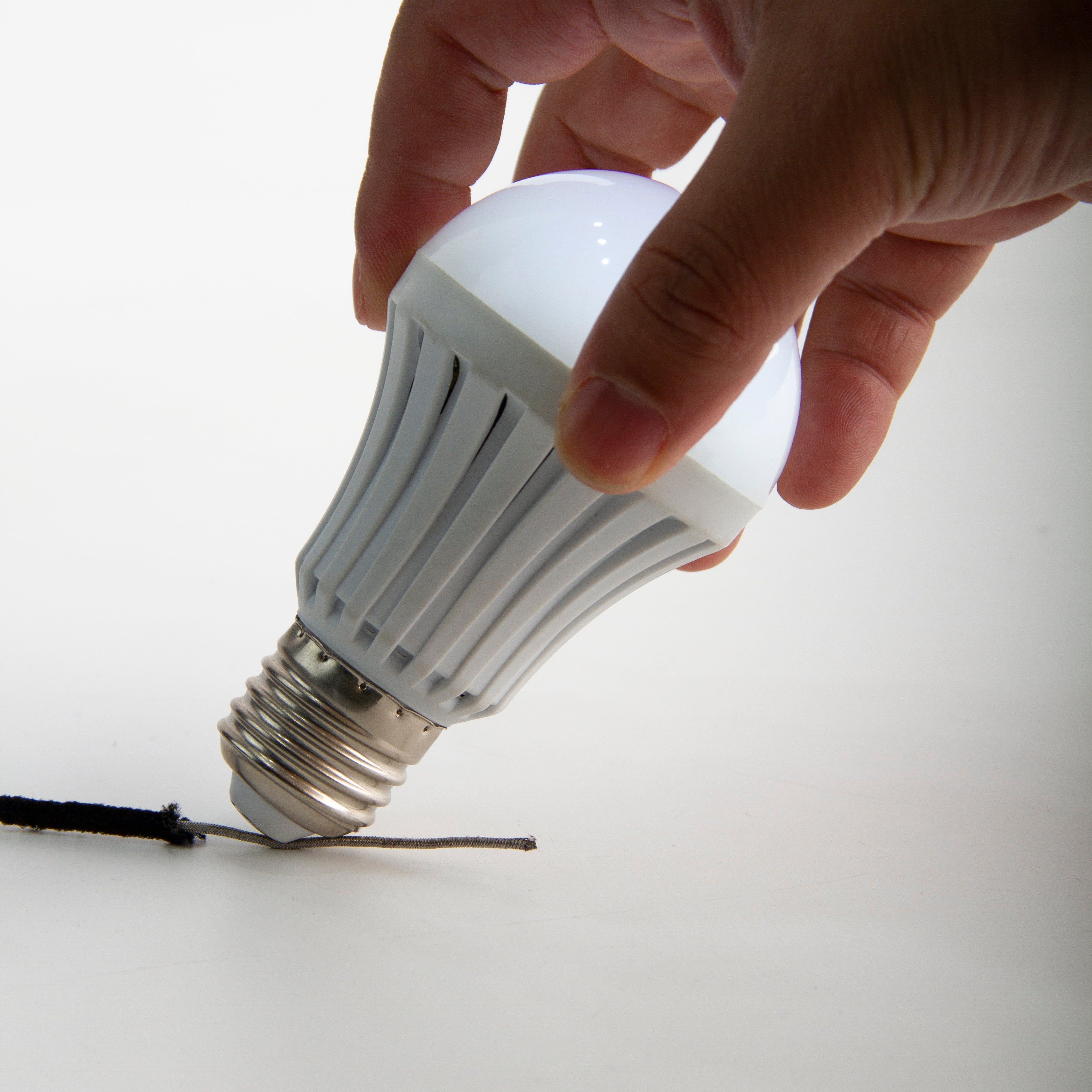
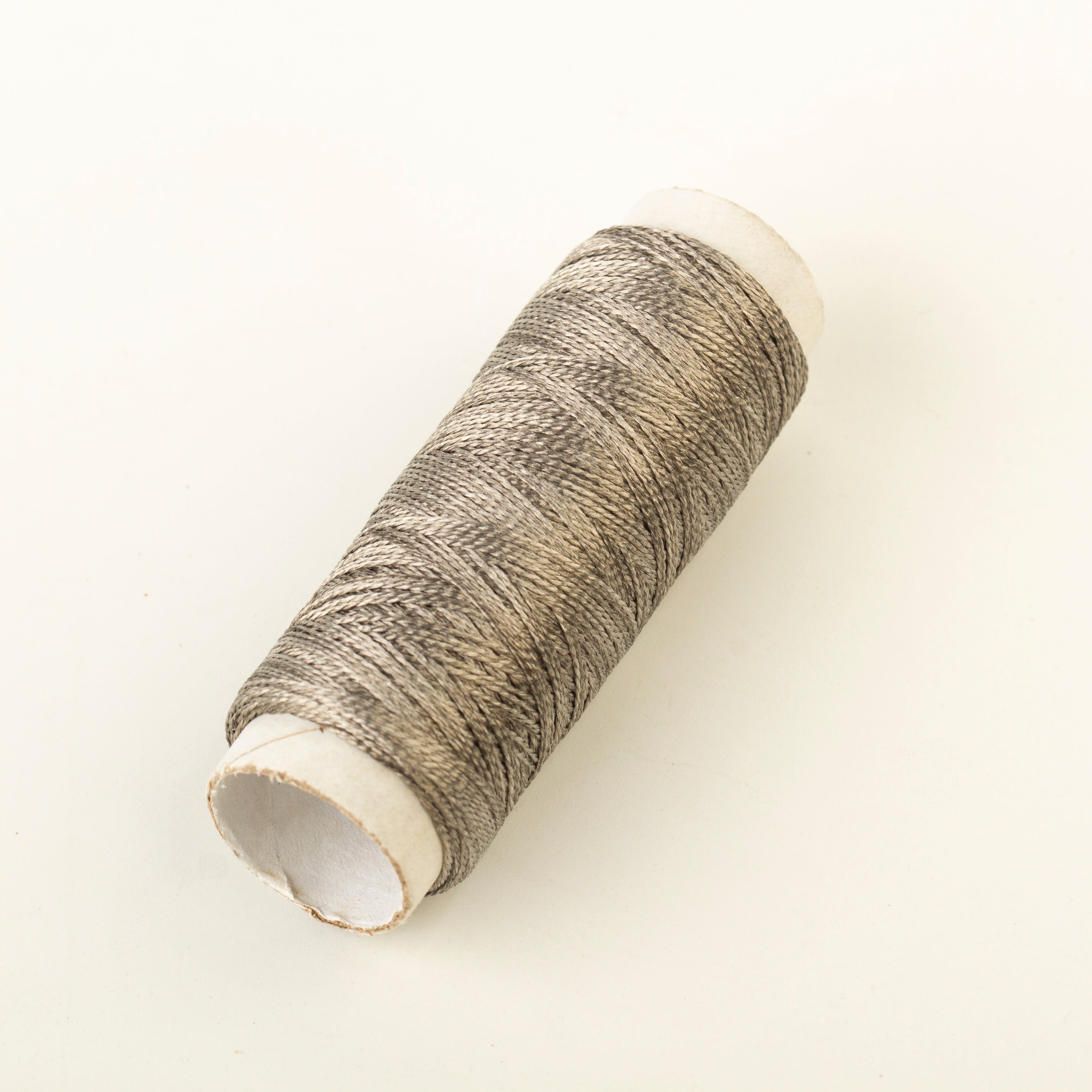
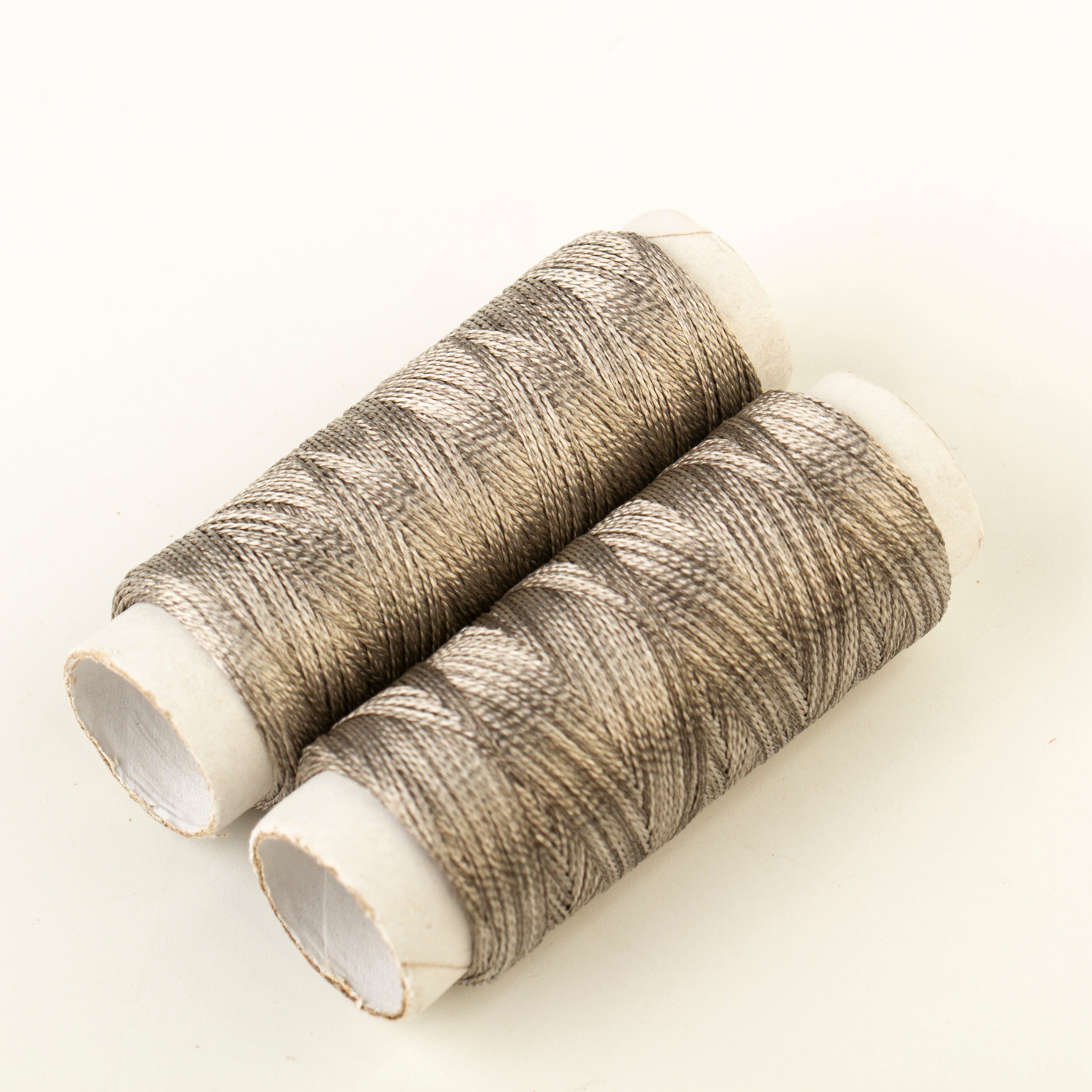
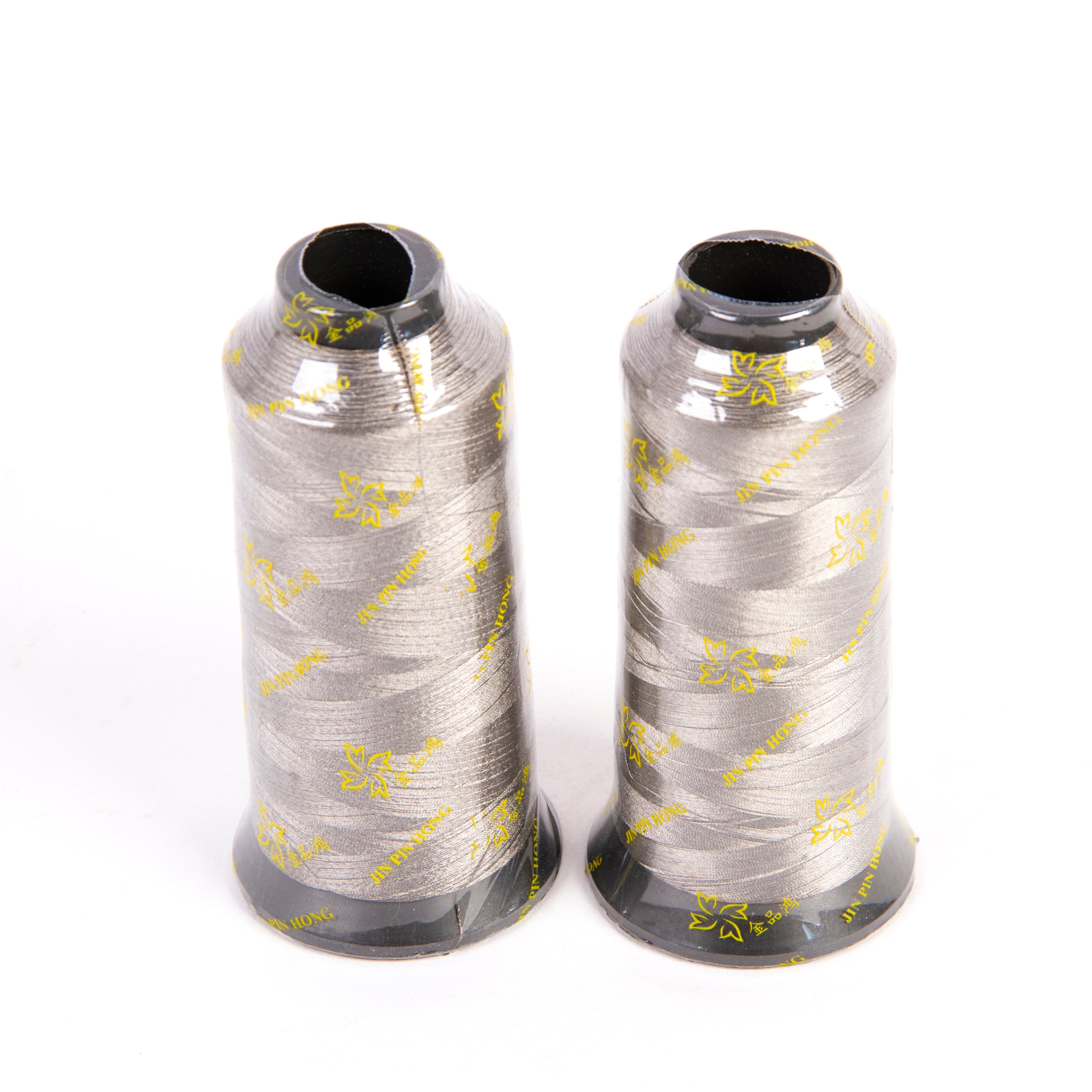
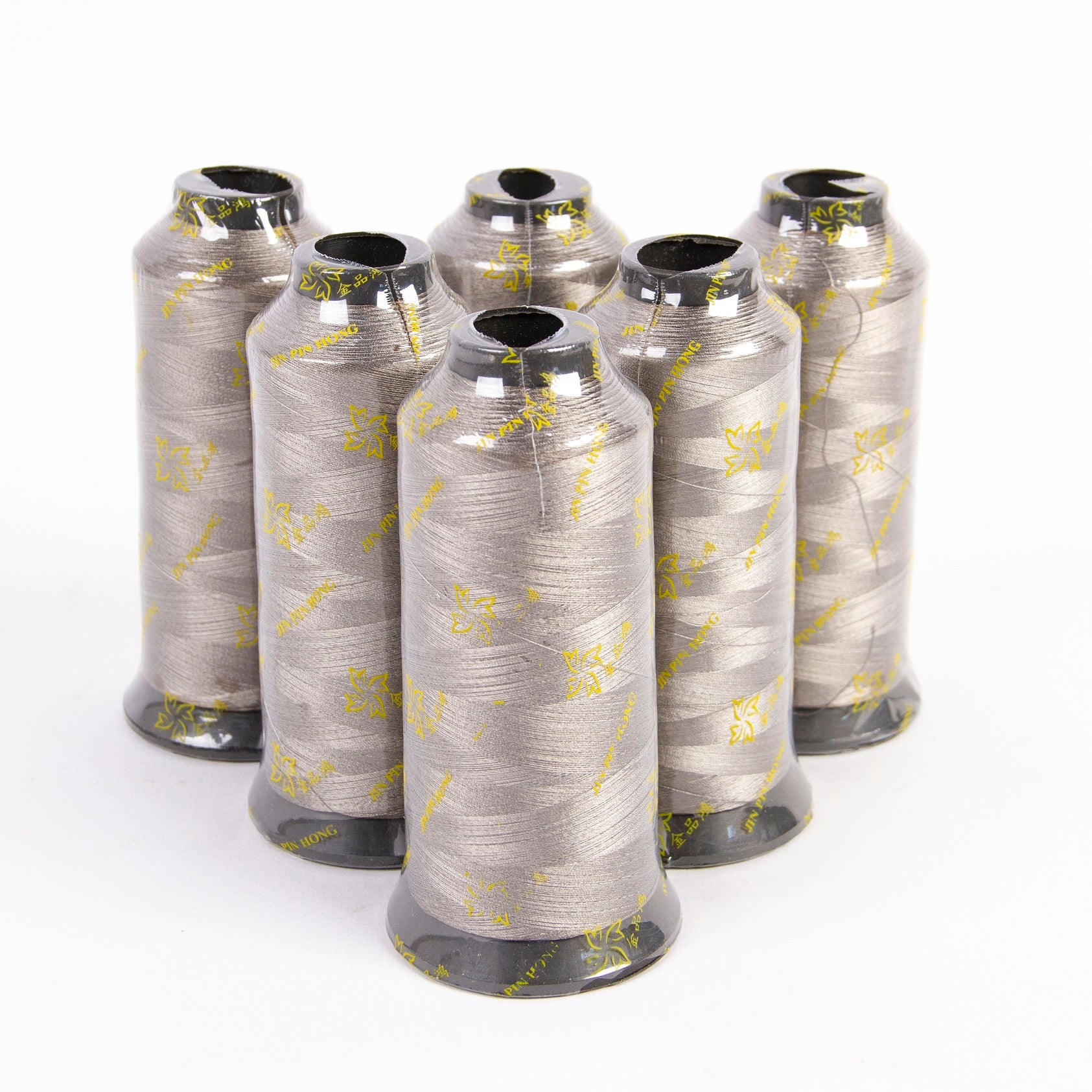
Innovatives Kupfer-Polyestergarn, entwickelt für fortschrittliche technische Anwendungen, einschließlich biometrischer Sensorik, smarter Wearables und EMV-Abschirmungstextilien. Dieses Garn bietet eine hohe elektrische Leitfähigkeit bei gleichzeitig standardmäßiger Textilhandhabung.
Hauptvorteile:
- Hervorragende Abschirmung & Leitfähigkeit: Hochreine Kupferbeschichtung bietet überragende elektrische Leistung für Signalübertragung und Abschirmung.
- Feuchtigkeits- und hitzebeständig: Der Polyesterkern gewährleistet eine hohe Haltbarkeit und Beständigkeit gegenüber Umwelteinflüssen.
- Nahtlose Integration: Weiches, flexibles Garn lässt sich leicht in Strick- oder Webprozesse für smarte Kleidung integrieren.
- Antistatisch: Eliminiert effektiv statische Entladungen in empfindlichen elektronischen und industriellen Umgebungen.
Technische Daten:
- Materialzusammensetzung: 100 % kupferplattiertes Polyester
- Widerstand: < 10 Ohm/cm
- Faserzahl: 75D/36F
- Gewicht: 120 g/km
Pflegehinweise:
Handwäsche in kaltem Wasser mit neutralem Reinigungsmittel. Nicht bleichen. An einem kühlen, trockenen Ort, fern von Oxidationsmitteln, lagern.
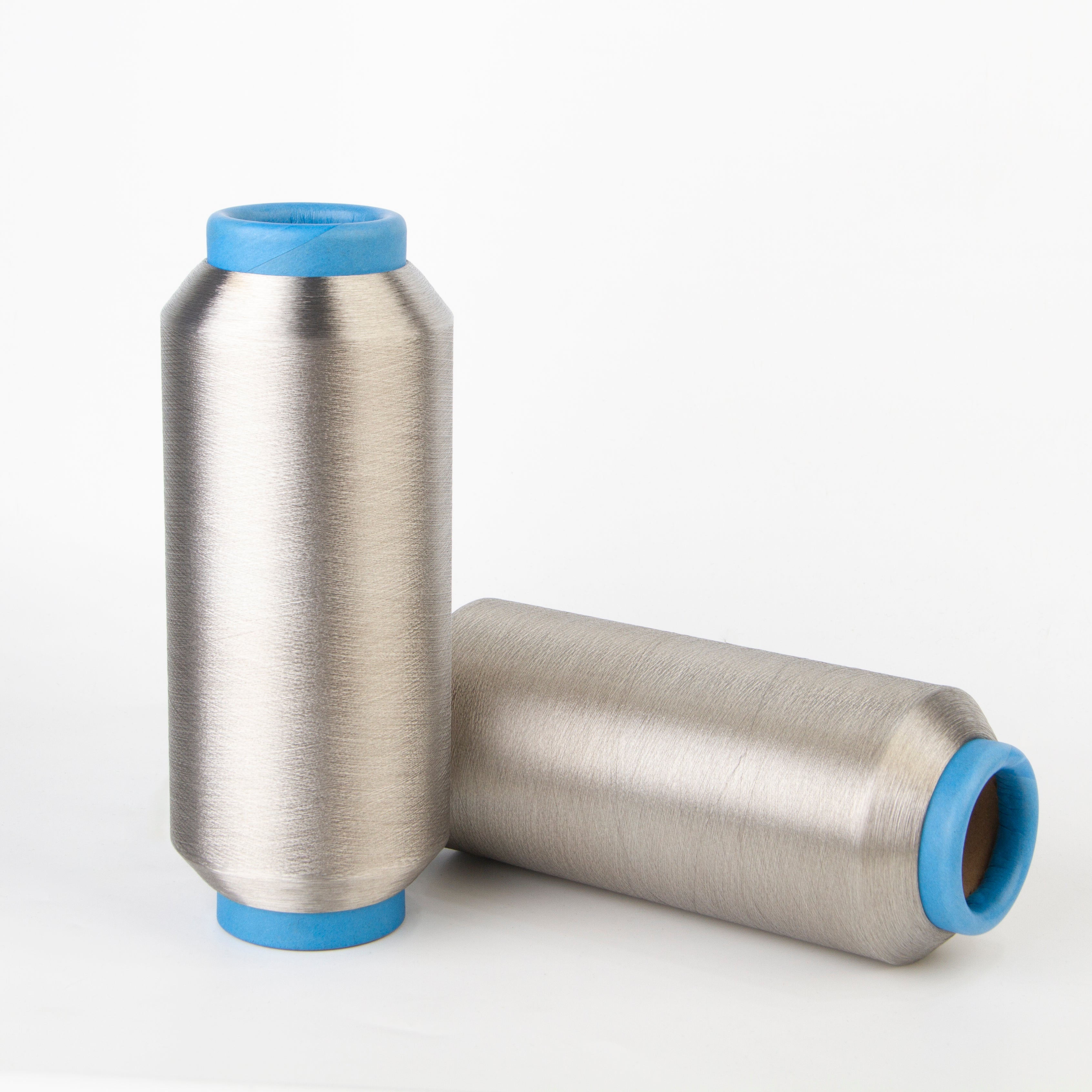
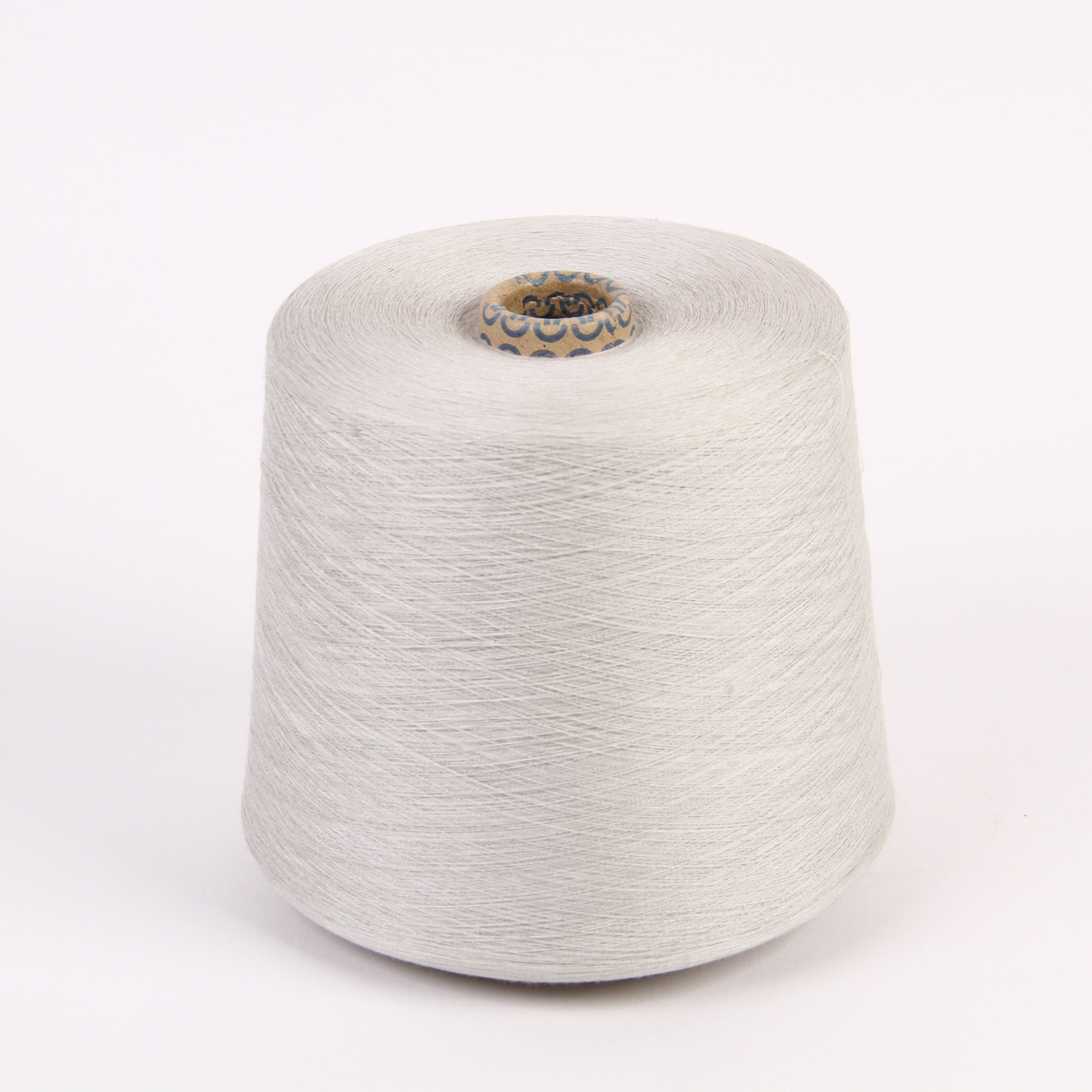
Gängiger Metallgarn-Vergleich
Garne mit einer durchgängigen metallischen Phase für zuverlässige Leitfähigkeit
Silber
Nickel
Edelstahl
Metallbeschichtet
Kernmantel
Gemischt
☆☆☆
☆☆☆
☆☆
☆
☆☆☆
☆☆☆
☆☆☆
☆☆☆
☆
Anwendungsbereiche
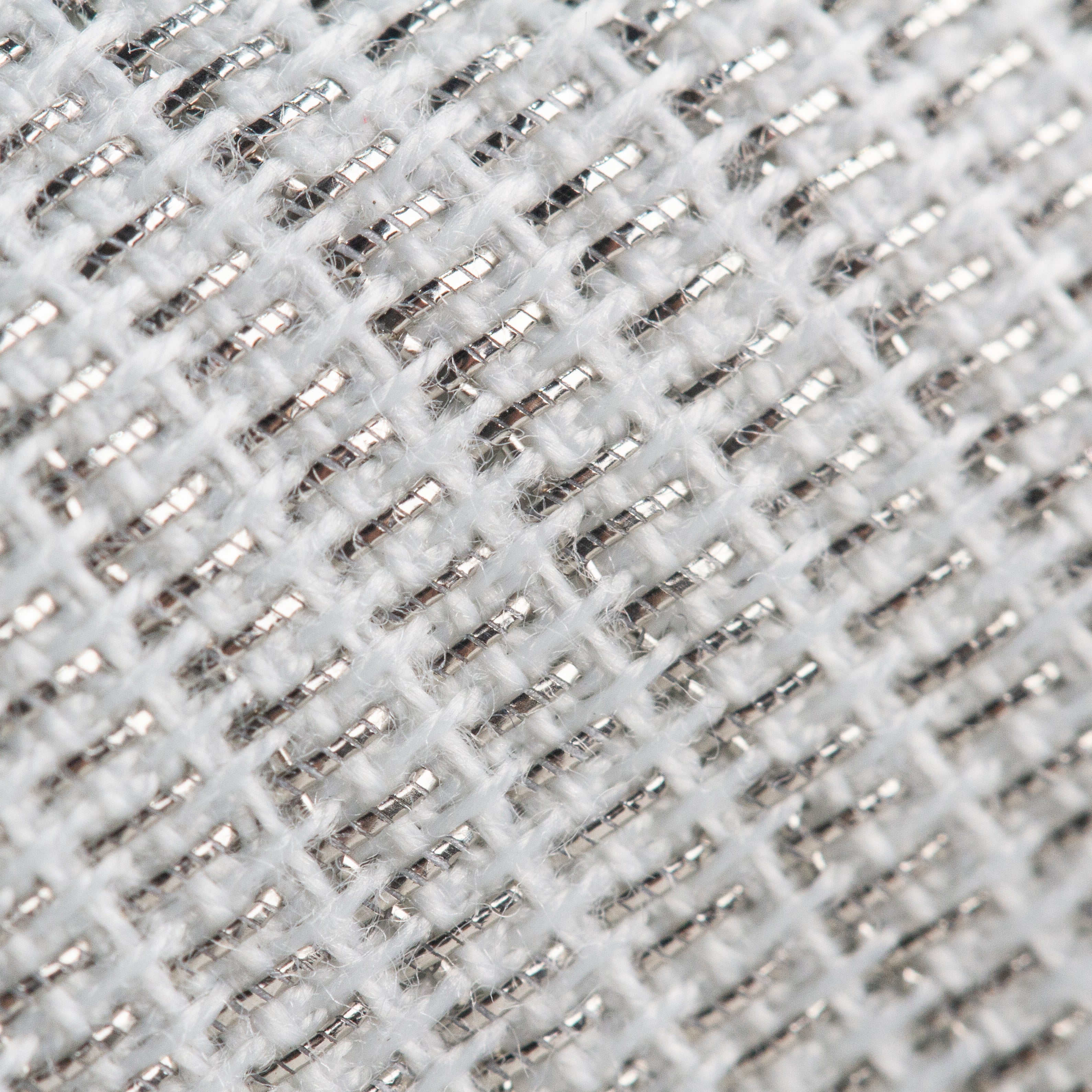
Metallgarne betten leitfähige Metalle in Textilarchitekturen ein, bewahren die Flexibilität und gewährleisten gleichzeitig eine stabile Leistung. Diese entwickelte Struktur ermöglicht es ihnen, in technisch anspruchsvollen Umgebungen effektiv zu funktionieren.
EMV-Schutzgewebe
Ermöglicht kontinuierliche leitfähige Netzwerke zur Reflexion und Dämpfung elektromagnetischer Signale
Smarte Textilschaltungen
Bietet drahtähnliche Leitfähigkeit bei gleichzeitiger Beibehaltung der Weichheit und mechanischen Flexibilität des Textils.
Heizelement
Erzeugt als flexibles Widerstandsheizelement unter Niederspannungsstrom kontrollierte Wärme

Die OEKO-TEX Standard 100-Zertifizierung bezieht sich auf die Prüfung von Textilmaterialien auf eingeschränkte Substanzen. Sie bescheinigt weder Leitfähigkeit noch RF-Abschirmleistung. Fragen Sie YUNJIA TEXTILE nach verfügbaren Materialunterlagen, bevor Sie Garn für ein bestimmtes Textilprojekt auswählen.
Metallgarne werden von unabhängigen Laboren getestet, um den Metallgehalt, die Leitfähigkeit und die funktionelle Leistung zu bestätigen. Diese Evaluierungen gewährleisten eine gleichbleibende Qualität und ein zuverlässiges elektrisches Verhalten, wenn sie in technische Textilstrukturen integriert werden
Die OEKO-TEX Standard 100-Zertifizierung bezieht sich auf die Prüfung von Textilmaterialien auf eingeschränkte Substanzen. Sie bescheinigt weder Leitfähigkeit noch RF-Abschirmleistung. Fragen Sie YUNJIA TEXTILE nach verfügbaren Materialunterlagen, bevor Sie Garn für ein bestimmtes Textilprojekt auswählen.
Metallgarne werden von unabhängigen Laboren getestet, um den Metallgehalt, die Leitfähigkeit und die funktionelle Leistung zu bestätigen. Diese Evaluierungen gewährleisten eine gleichbleibende Qualität und ein zuverlässiges elektrisches Verhalten, wenn sie in technische Textilstrukturen integriert werden
Häufig gestellte Fragen
Warum schwankt der Preis für Silberfäden?
Silbergarn ist mit 99,9 % reinem Silber beschichtet, wodurch seine Kosten eng mit den globalen Edelmetallmarktpreisen verbunden sind. Wenn sich die Silberpreise ändern, passen sich die Materialkosten entsprechend an.
Wie lang ist eine Garnspule?
Die Garnlänge wird durch das Nettogewicht und das Denier (lineare Dichte) bestimmt.
Denier gibt das Gewicht in Gramm pro 9.000 Meter an.
Die ungefähre Länge kann wie folgt berechnet werden:
Länge (m) = (Nettogewicht × 9000) ÷ Denier
Beispielsweise entspricht ein 260D-Garn mit 100 g Nettogewicht ungefähr 3.460 Metern.
Wie sollte metallisches Garn gelagert werden?
Die meisten Metallgarne können unter normalen trockenen Innenraumbedingungen gelagert werden, fern von Feuchtigkeit und direkter Sonneneinstrahlung.
Für versilberte Garne empfehlen wir die Lagerung in einer kühlen, trockenen Umgebung mit minimaler Feuchtigkeitseinwirkung, um Oberflächenoxidation zu reduzieren. Zur optimalen Konservierung versiegelt aufbewahren, wenn sie nicht verwendet werden.