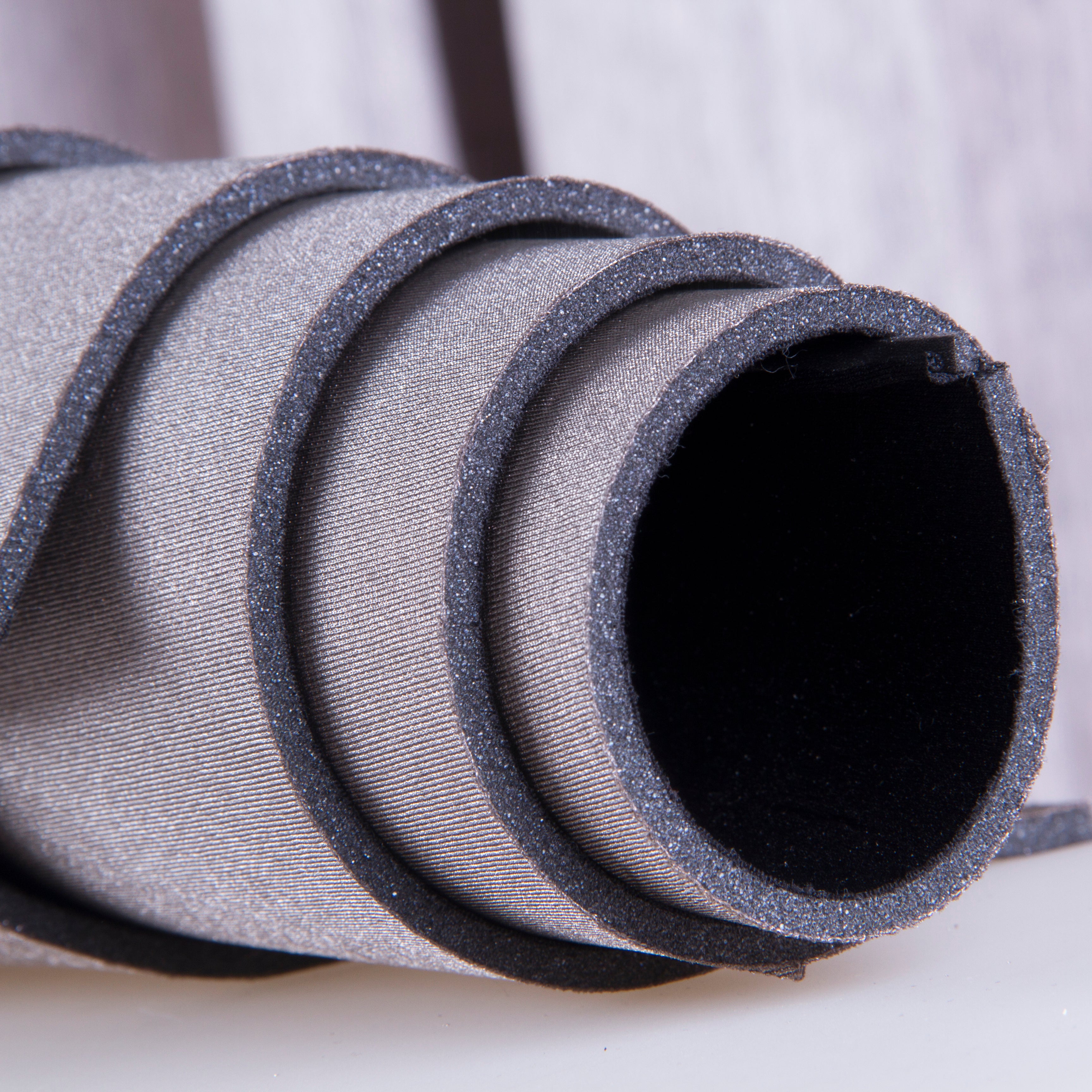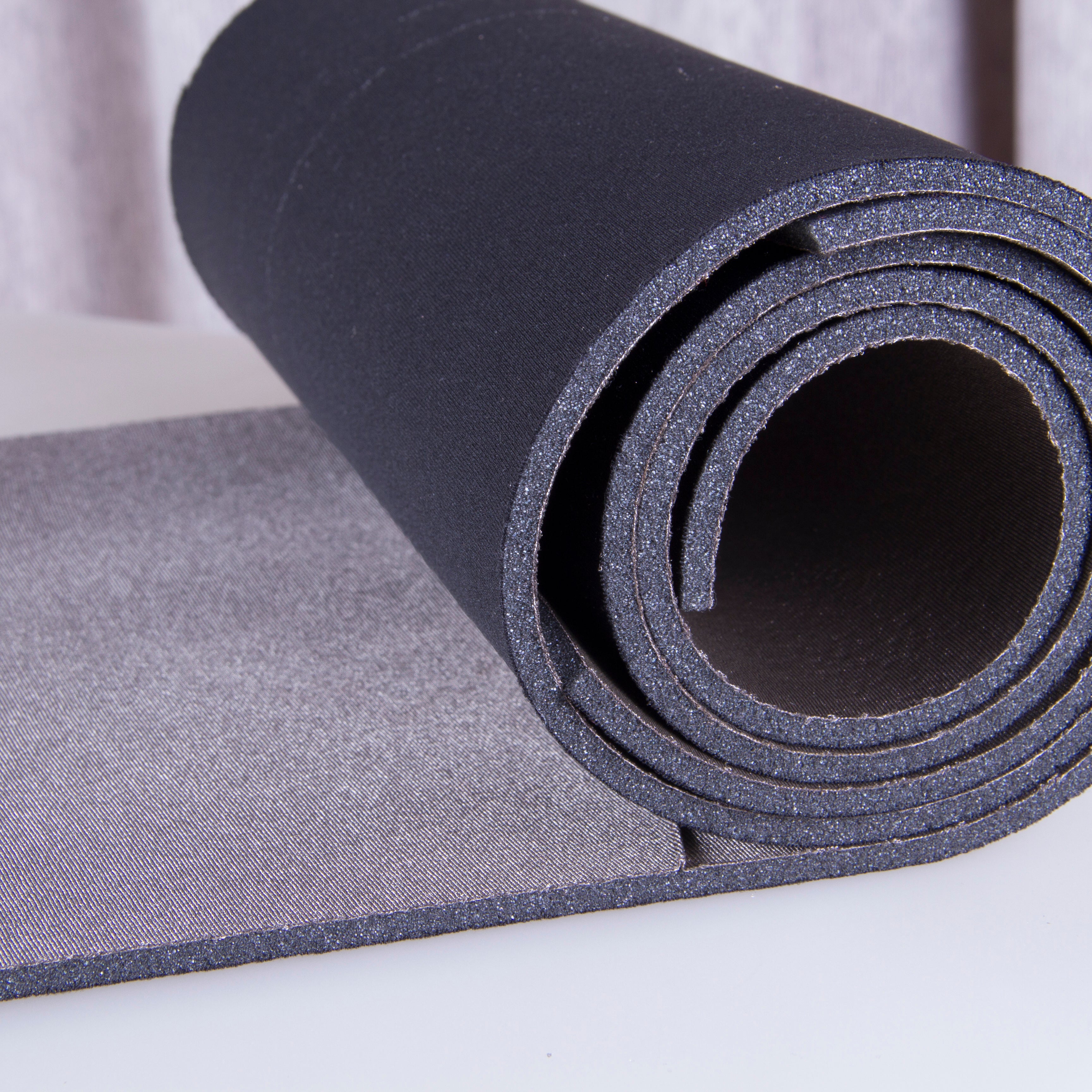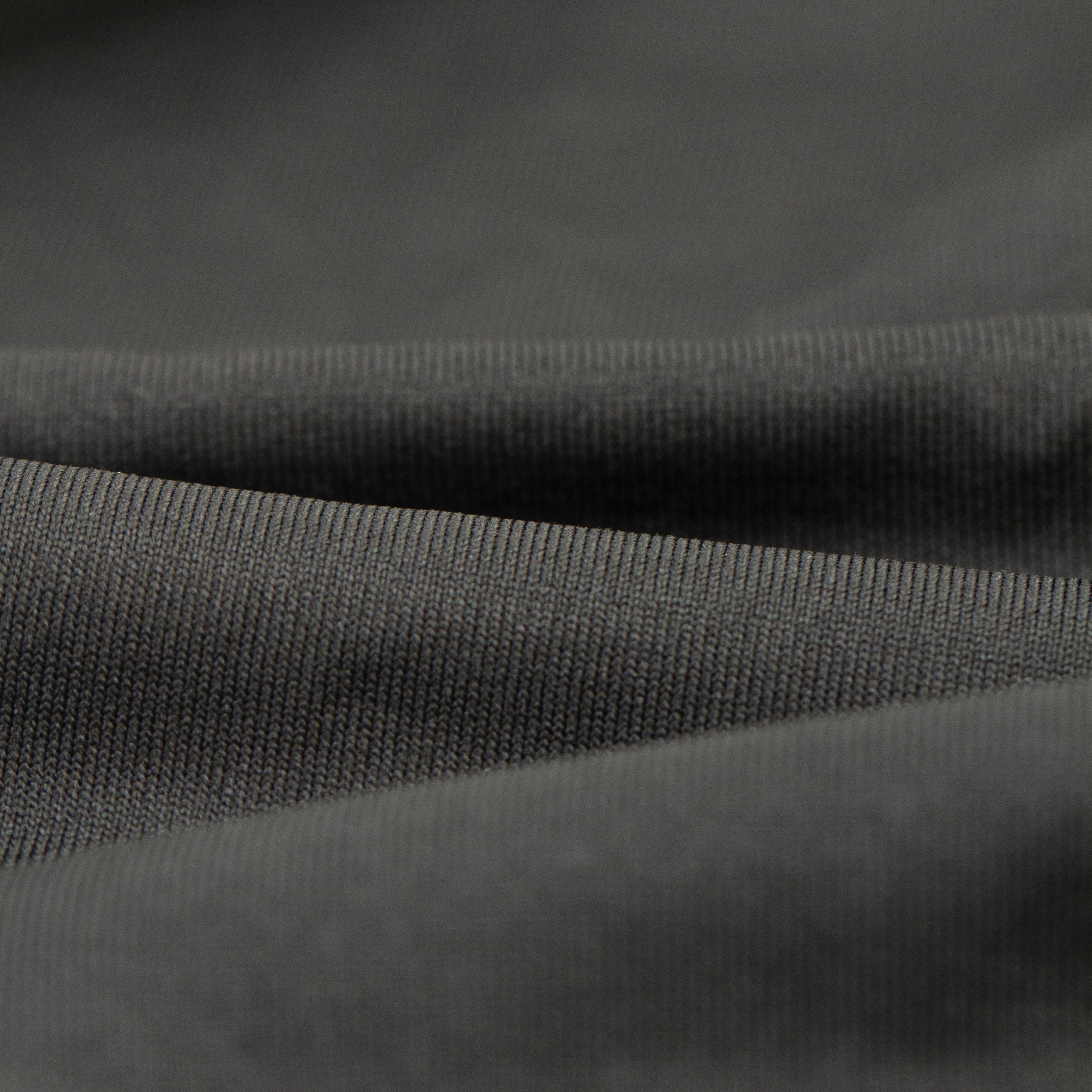
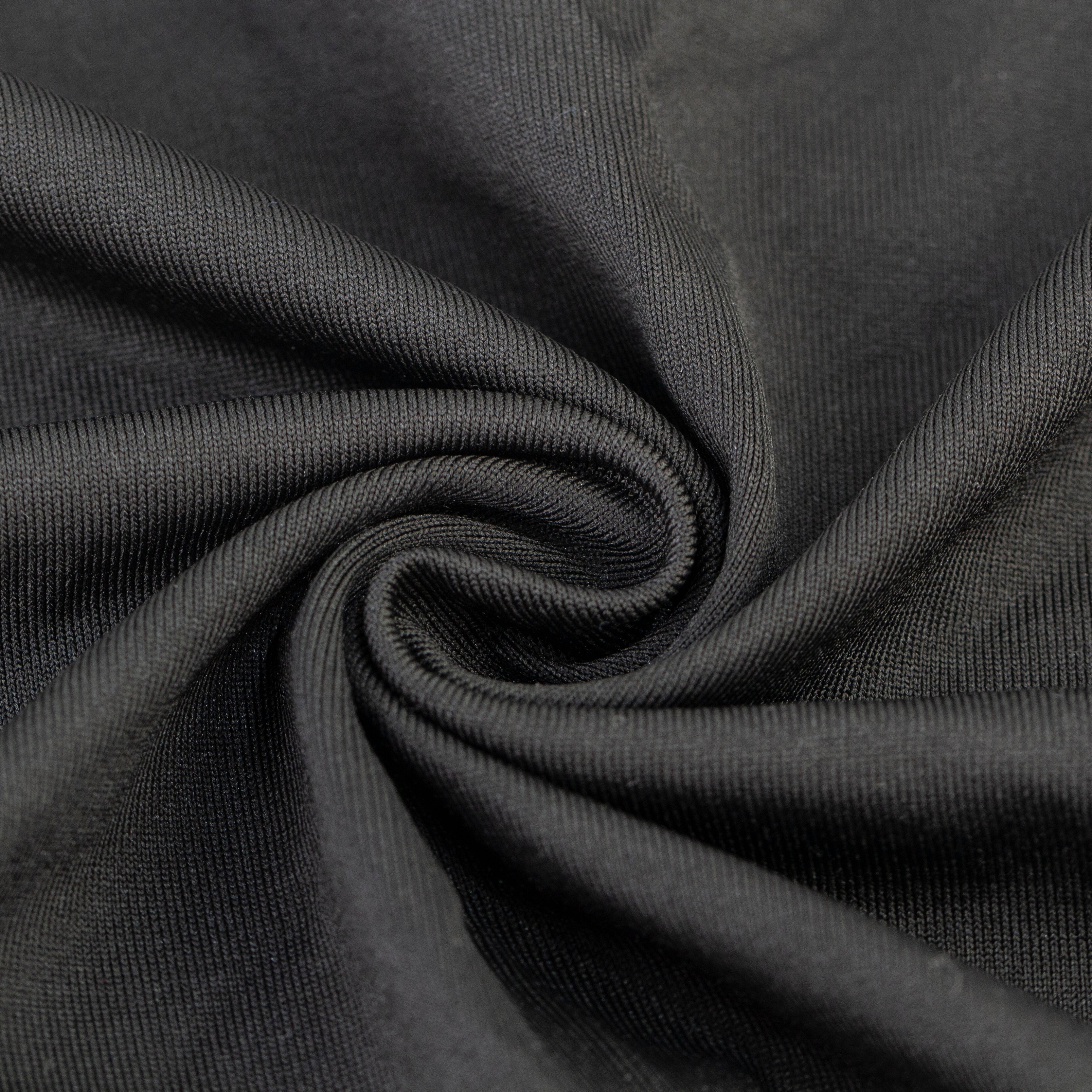
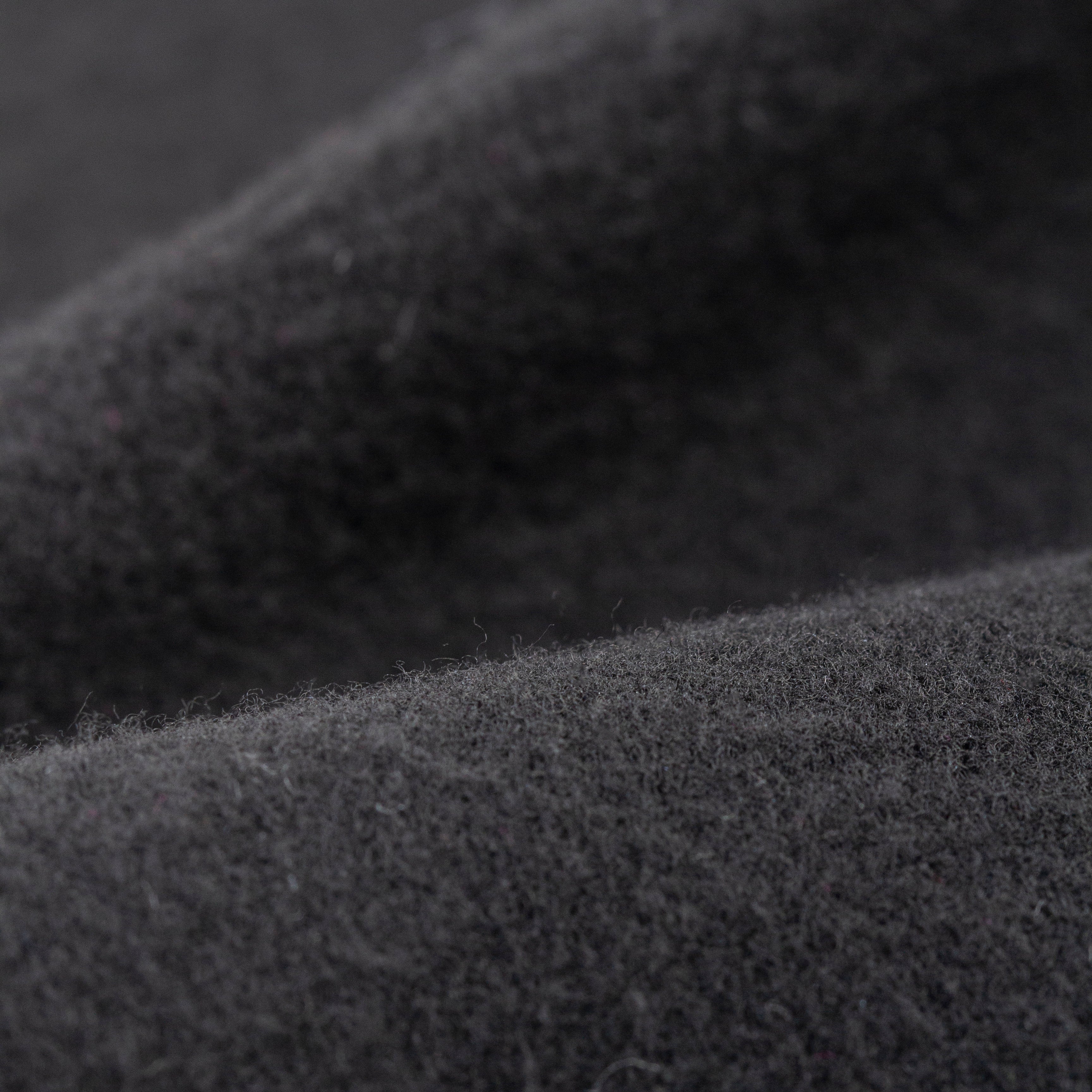
Druckmessendes piezoresistives Gewebe flexibles leitfähiges FSR-Sensormaterial
Drucksensierendes piezoresistives Gewebe Flexibles leitfähiges FSR-Sensormaterial
Innovatives drucksensierendes piezoresistives Gewebe für fortschrittliche Sensoranwendungen. Dieses flexible, leitfähige Material ändert seinen Widerstand unter Druck und ist ideal für intelligente Wearables und industrielle Sensorik.
Hauptvorteile:
- Hohe Empfindlichkeit: Erkennt selbst geringste Druckänderungen für präzise biometrische und industrielle Überwachung.
- Flexibel & Weich: Textilbasierter Sensor, der sich nahtlos in Kleidung, Einlegesohlen und Polster integrieren lässt.
- Großer Dynamikbereich: Geeignet für eine Vielzahl von Anwendungen, von leichter Berührung bis hin zu signifikanter Gewichtserfassung.
- Langlebig & Zuverlässig: Behält die Leistung über Tausende von Kompressionszyklen bei.
Technische Daten:
- Material: Leitfähiges piezoresistives Textil
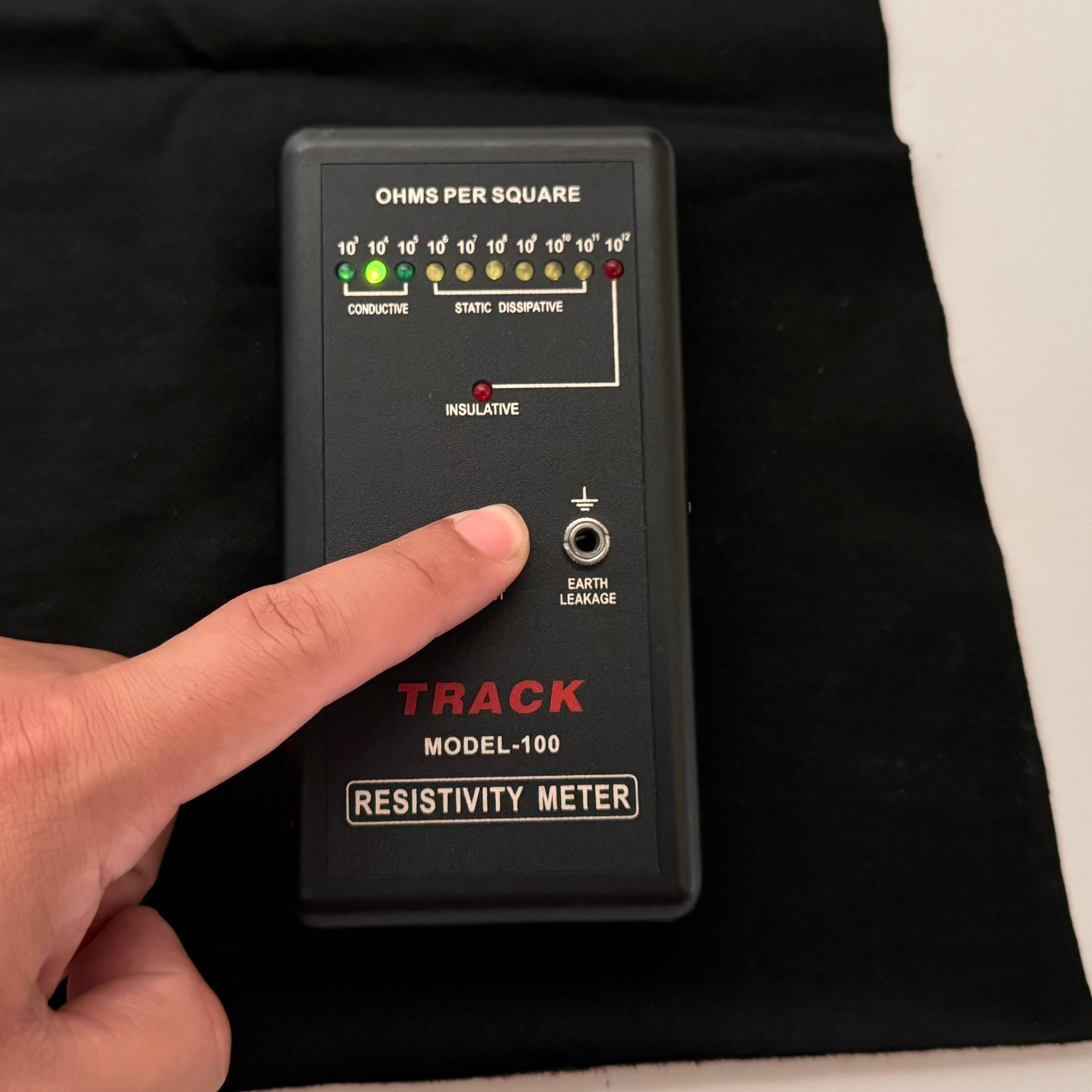
- Widerstandsbereich: 10 MOhm (ohne Last) bis < 100 Ohm (schwere Last)
- Dicke: 0,15 mm
- Anwendung: FSR-Sensoren, intelligente Einlegesohlen, Haltungsüberwachung
Pflegehinweise:
Nicht waschen. Scharfe Falten oder Knicke vermeiden. Flach und trocken lagern.
Vergleichen
Produktvergleich
Geben Sie Ihren Kunden nützliche Informationen zu Ihren Produkten und zeigen Sie die Unterschiede auf.
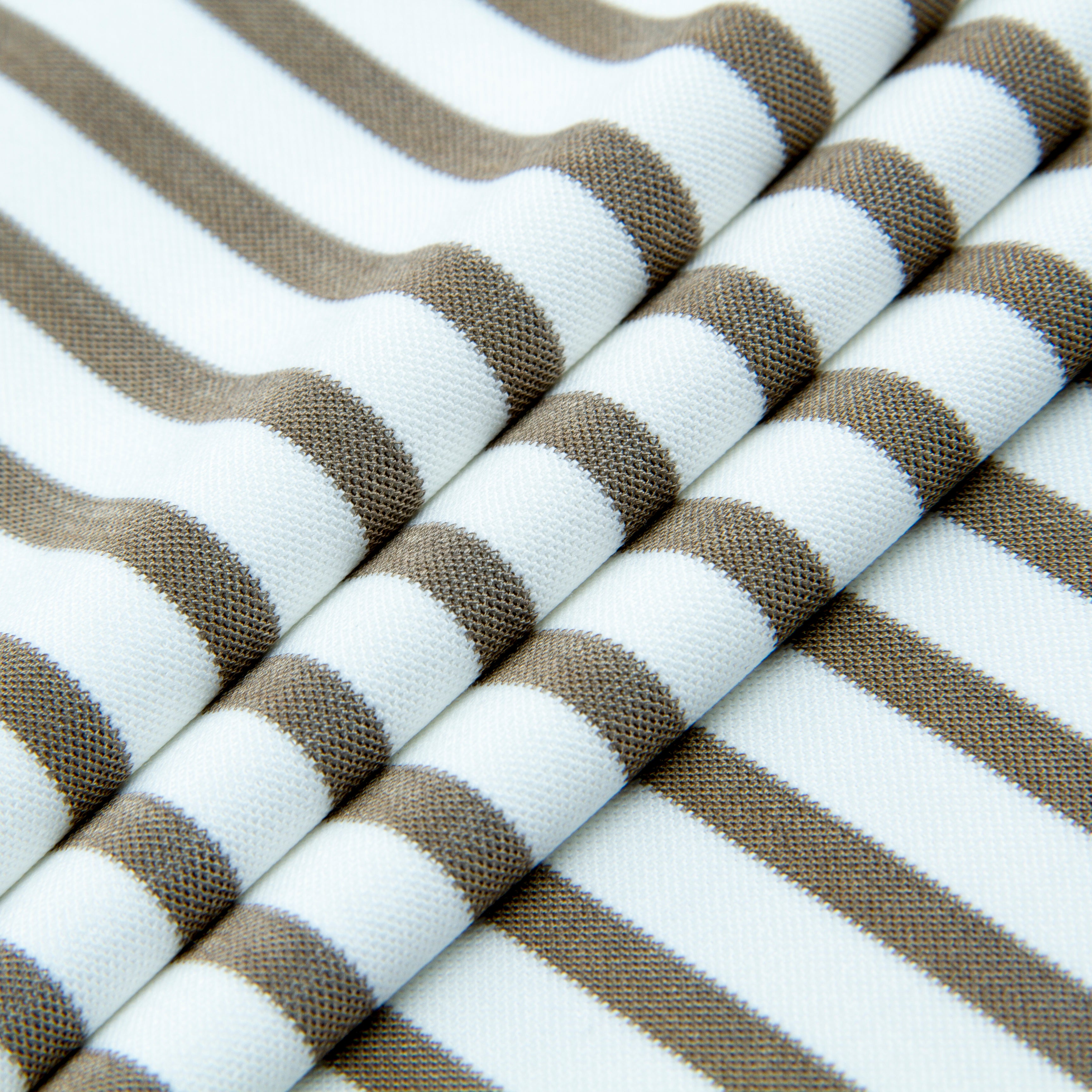
Elektrode
Piezoresistiv
Silber
Kohlenstoff
0,1 -1 Ω
10⁴–10⁷ Ω
Piezoresistives Widerstandsdatenblatt
Eine Sandwichstruktur mit leitfähigen Leiterplatten-Silberdünnschichten auf der oberen und unteren Lage. Unter einer ausgeübten Kraft von 0–2 kg über eine Kontaktfläche mit 1 cm Durchmesser stellen die gezeigten Werte den Durchschnitt von fünf Messungen dar. Dieser Datensatz dient als Referenz für die Materialleistung.

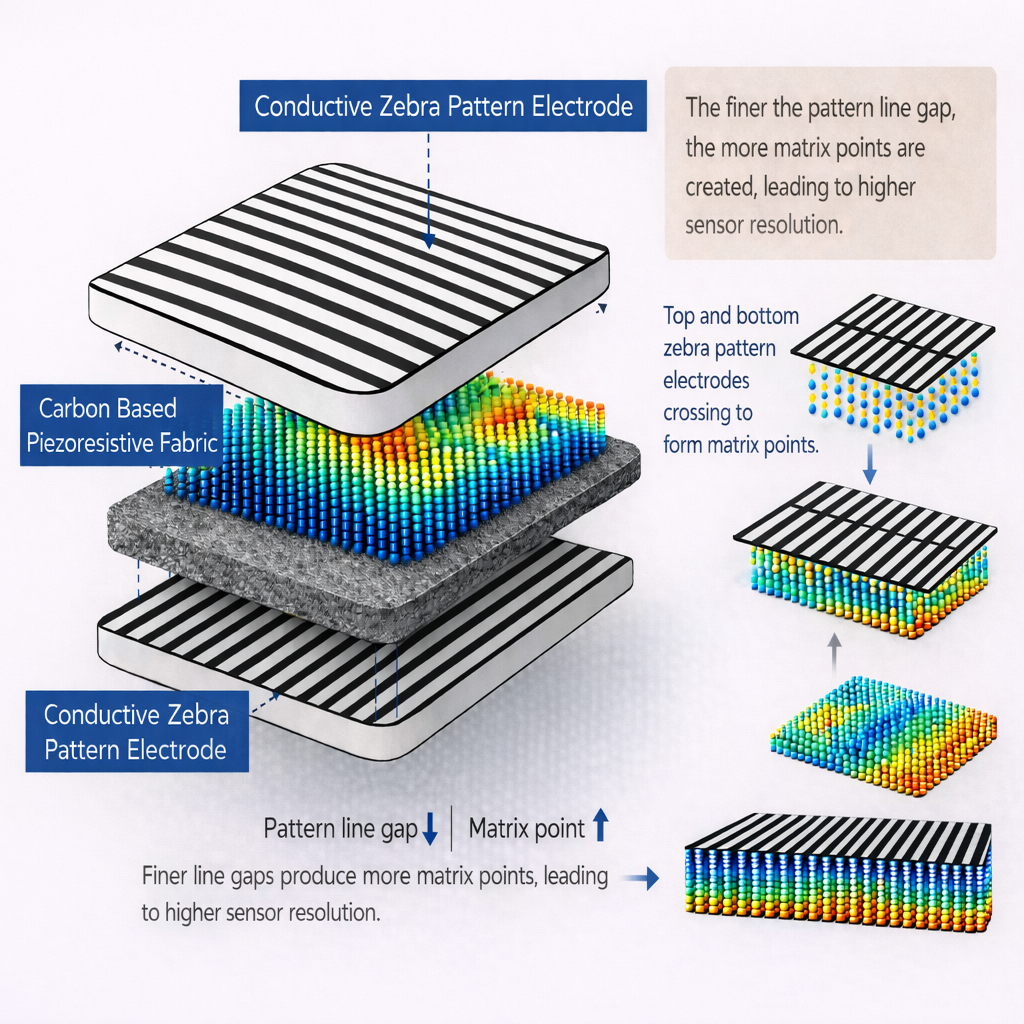
Ein piezoresistiver Textilsensor wandelt angewendeten Druck mittels einer geschichteten Gewebestruktur in Widerstandsänderungen um. Leitfähige Elektroden in Zebra-Musterung umschließen ein kohlenstoffbasiertes piezoresistives Gewebe. Unter Kompression erhöhen sich die internen Kontaktpunkte, wodurch der Widerstand sinkt. Engerer Elektrodenlinienabstand erzeugt dichtere Sensor-Matrizen, was die räumliche Auflösung, Flexibilität und Signalstabilität für Wearables, weiche Robotik und Druckkartierungssysteme verbessert.
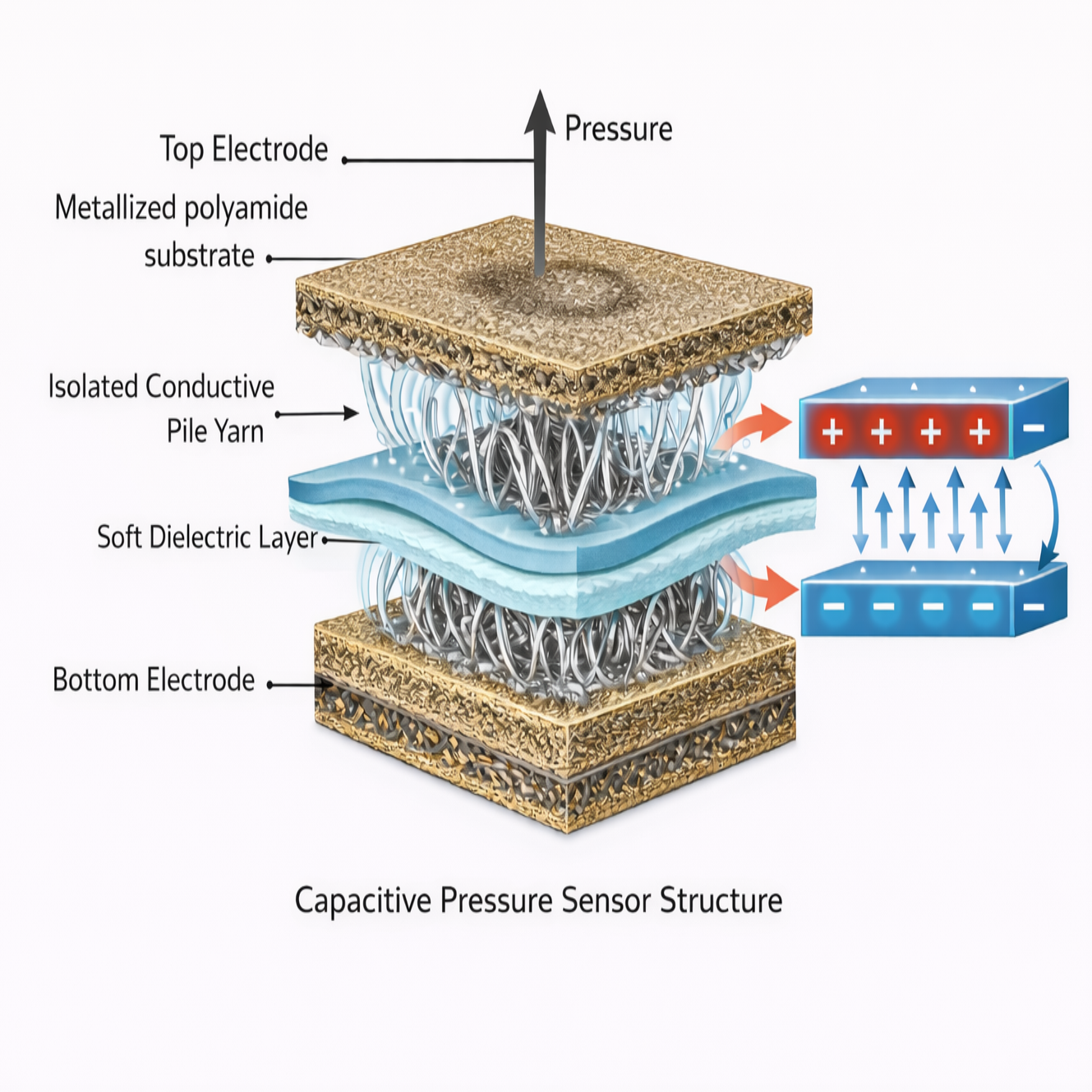
Ein kapazitiver Textilsensor besteht aus flexiblen, leitfähigen oberen und unteren Elektroden, die durch eine weiche dielektrische Textilschicht voneinander getrennt sind. Bei Druckanwendung verringert sich der Abstand zwischen den Elektroden, und die effektive dielektrische Struktur ändert sich, was zu einer messbaren Kapazitätsvariation führt. Diese stoffbasierte Architektur bietet eine ausgezeichnete Anpassungsfähigkeit, eine stabile Signalantwort und eine zuverlässige Druckmessung auf gekrümmten oder dynamischen Oberflächen.
Ein piezoresistiver Textilsensor wandelt angewendeten Druck mittels einer geschichteten Gewebestruktur in Widerstandsänderungen um. Leitfähige Elektroden in Zebra-Musterung umschließen ein kohlenstoffbasiertes piezoresistives Gewebe. Unter Kompression erhöhen sich die internen Kontaktpunkte, wodurch der Widerstand sinkt. Engerer Elektrodenlinienabstand erzeugt dichtere Sensor-Matrizen, was die räumliche Auflösung, Flexibilität und Signalstabilität für Wearables, weiche Robotik und Druckkartierungssysteme verbessert.
Ein kapazitiver Textilsensor besteht aus flexiblen, leitfähigen oberen und unteren Elektroden, die durch eine weiche dielektrische Textilschicht voneinander getrennt sind. Bei Druckanwendung verringert sich der Abstand zwischen den Elektroden, und die effektive dielektrische Struktur ändert sich, was zu einer messbaren Kapazitätsvariation führt. Diese stoffbasierte Architektur bietet eine ausgezeichnete Anpassungsfähigkeit, eine stabile Signalantwort und eine zuverlässige Druckmessung auf gekrümmten oder dynamischen Oberflächen.
Jede Sensoranwendung hat einzigartige technische Anforderungen
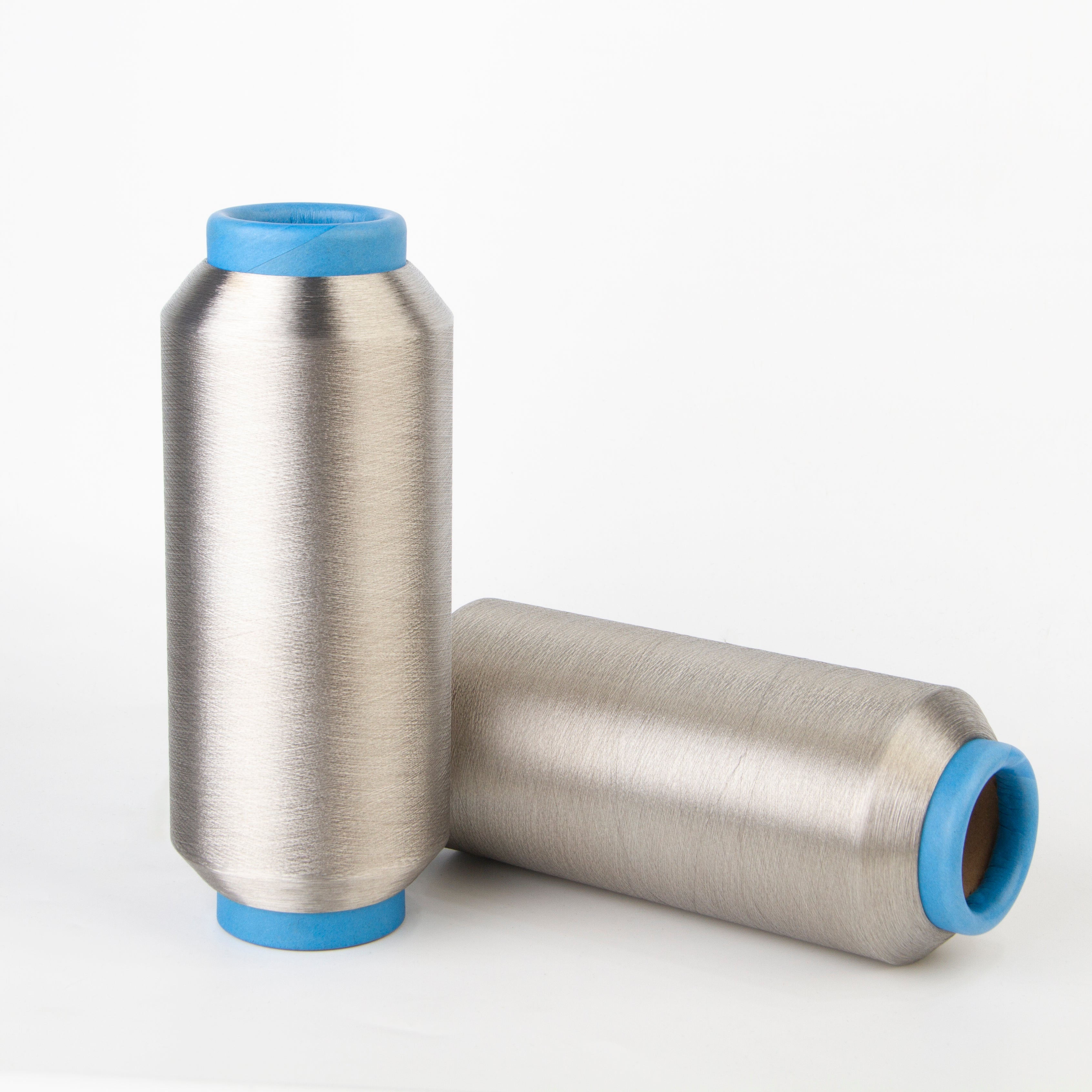
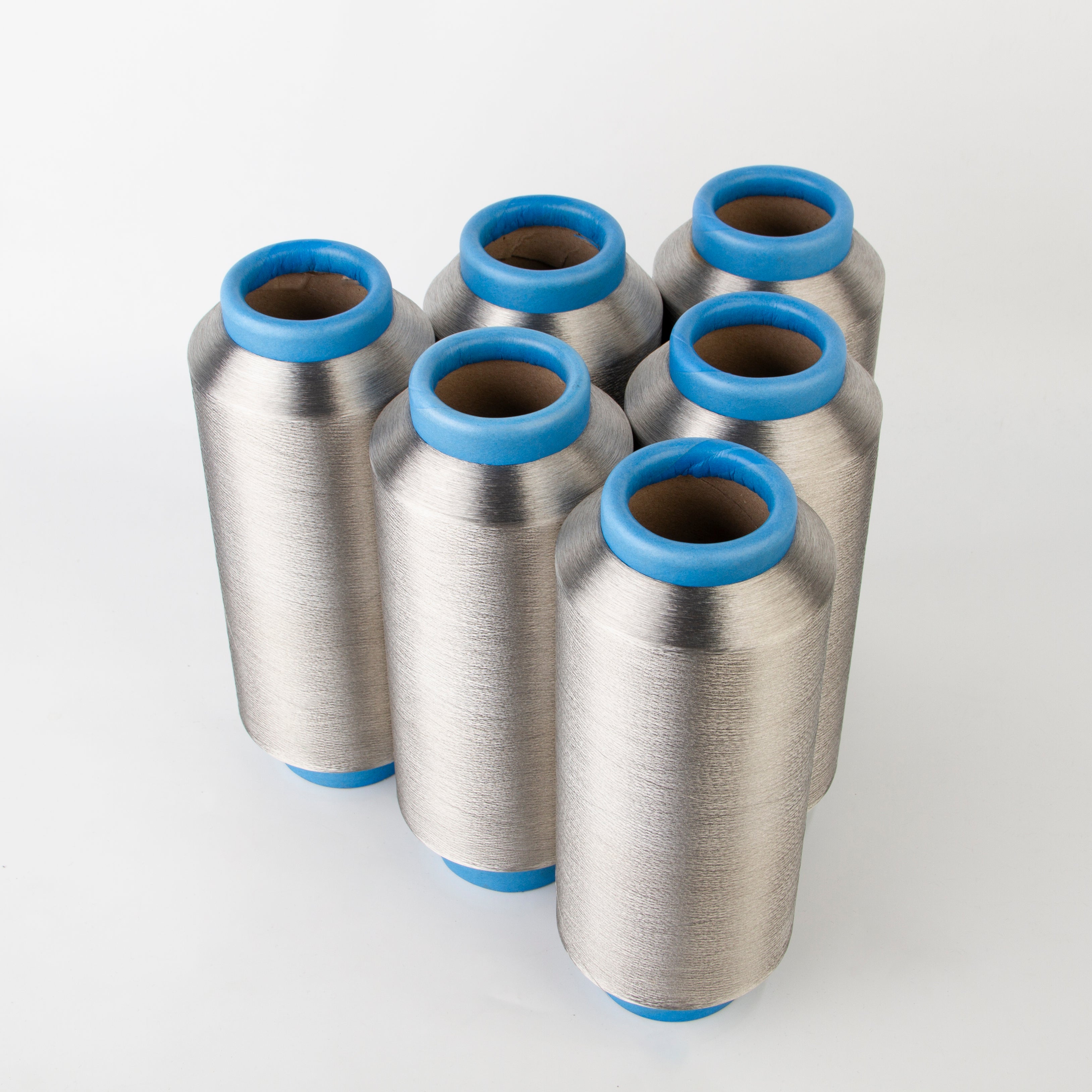
Wir bieten flexible Anpassungsdienstleistungen in Bezug auf Elektrodenlayout, Mustergeometrie und leitfähige Textilstrukturen. Zusätzlich zu Materialien auf Silberbasis bieten wir auch alternative leitfähige Optionen wie Edelstahl und andere Legierungs-basierte leitfähige Textilien an, um unterschiedliche Leistungs-, Haltbarkeits- und Kostenziele zu erfüllen.
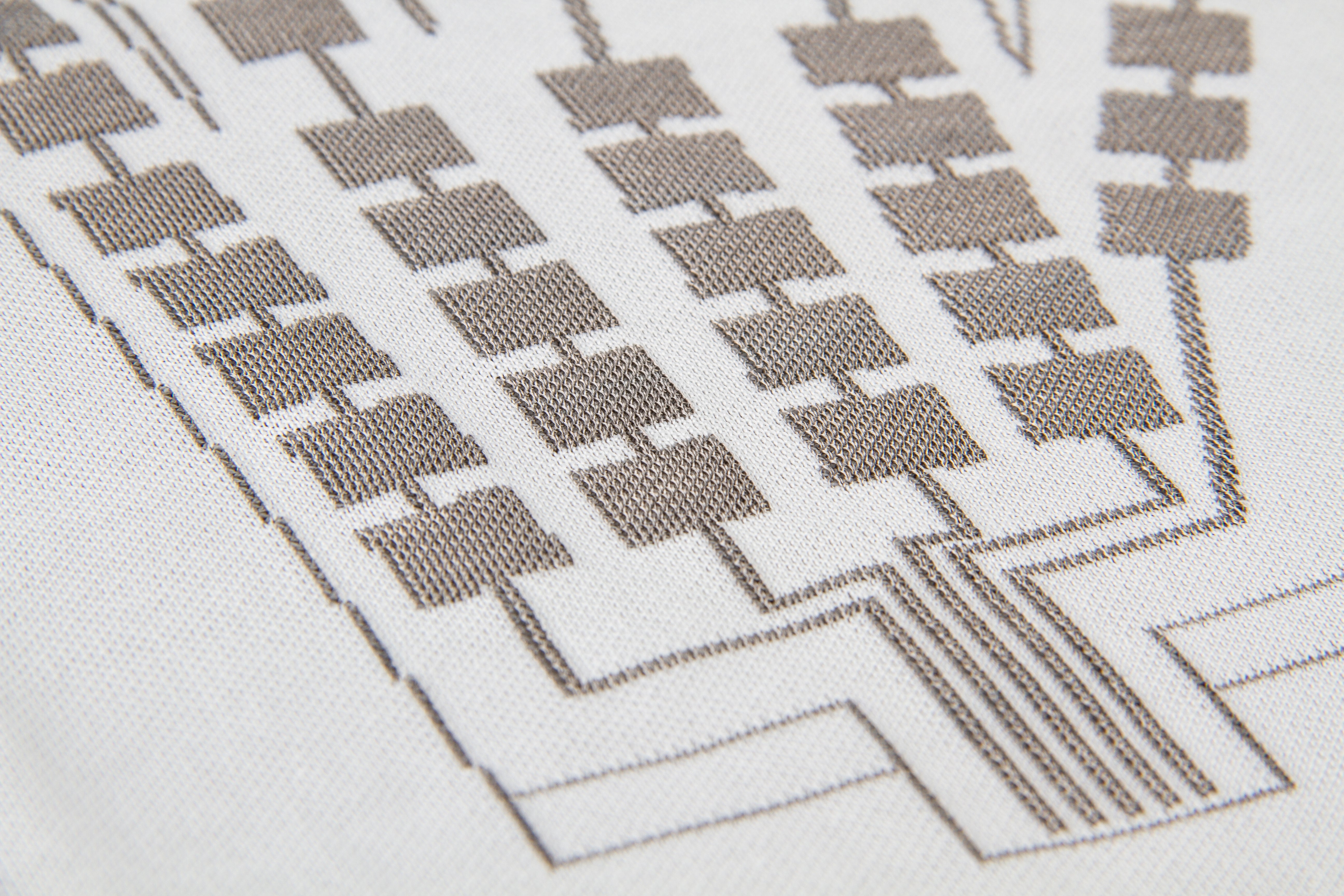
Matrixlayout
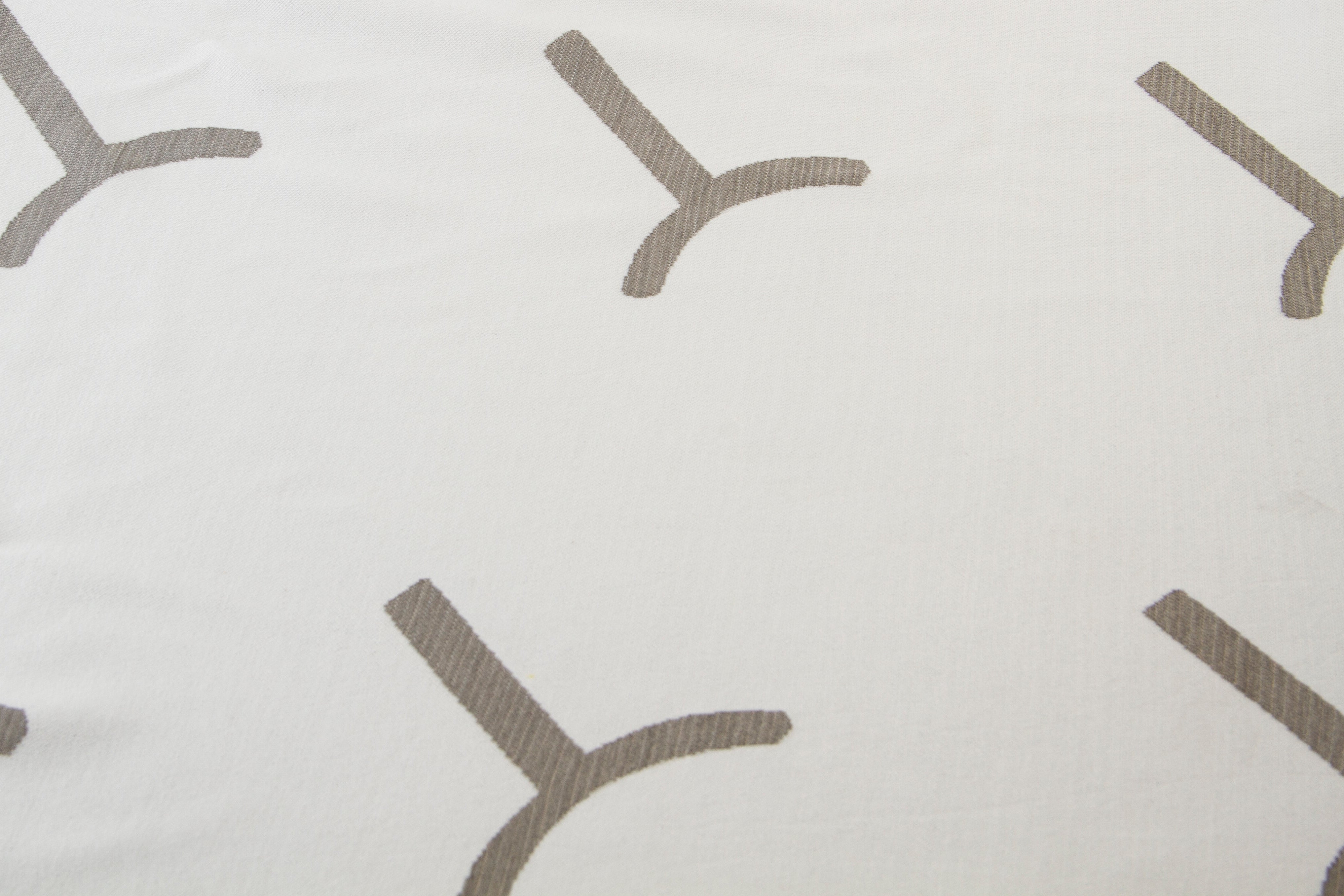
Flexibler Trace
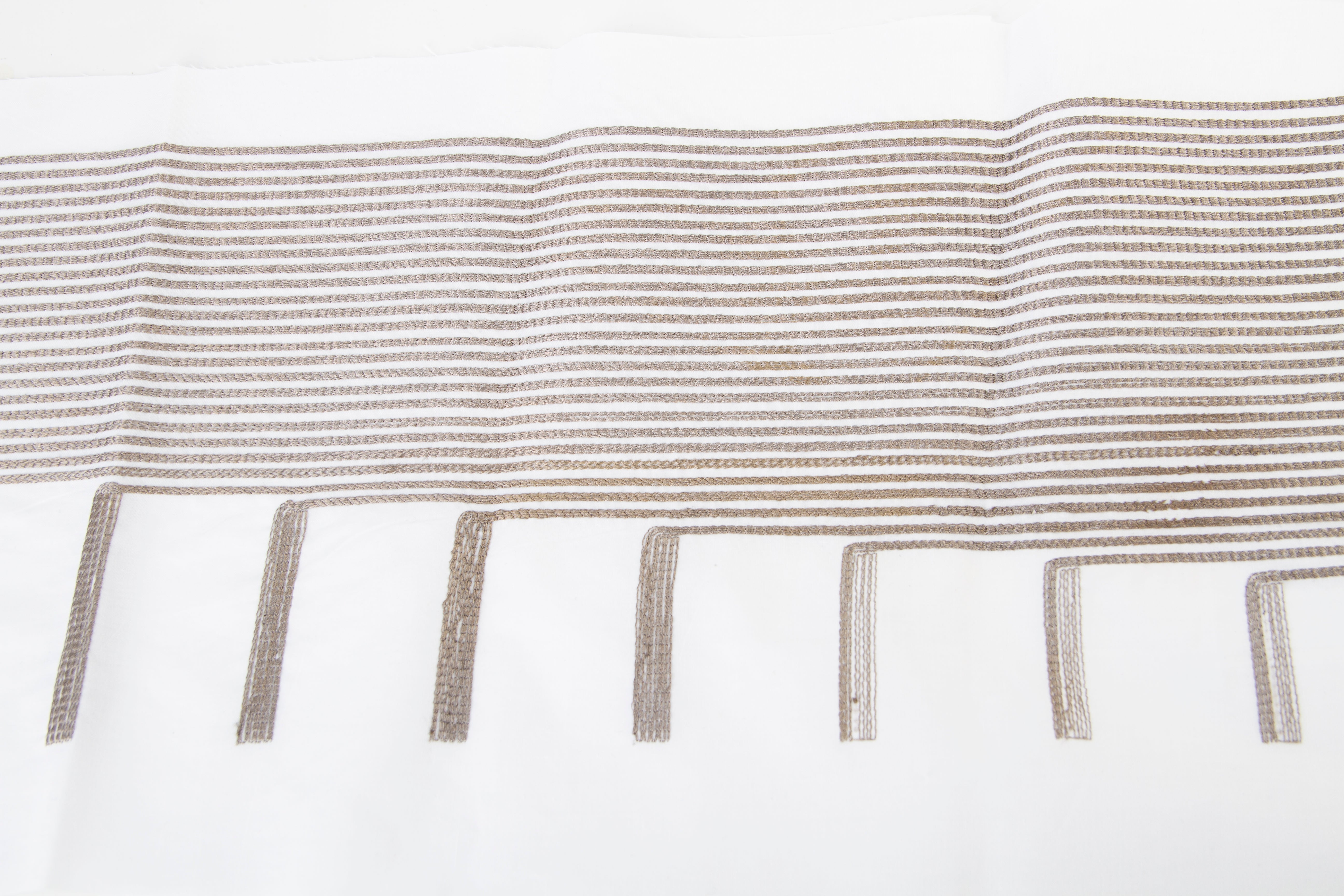
Muster hoher Dichte
Häufig gestellte Fragen
Behält der Stoff seine Leitfähigkeit auch nach langandauernder Ermüdung, Faltung oder Abrieb bei?
Ja. Das leitfähige Netzwerk ist in die Garn- oder Gewebestruktur integriert und widersteht daher Rissen oder Delaminierungen. Im Gegensatz zu Dünnschicht- oder Leiterbahnspuren verteilt die Textilarchitektur die mechanische Belastung auf viele Fasern, was eine stabile Leitfähigkeit auch nach intensivem Falten, Reiben oder mechanischer Ermüdung ermöglicht.
Wie wirken sich Luftfeuchtigkeit, Temperatur oder Schweiß auf den Oberflächenwiderstand und die Signalkonsistenz aus?
Die Umwelteinflüsse variieren je nach Material. Textilien auf Kohlenstoffbasis zeigen eine minimale Drift, während Silber- oder Kupferbeschichtungen schneller oxidieren können. Optionen aus Edelstahl und Kohlenstoffbasis bieten eine wesentlich höhere Stabilität, wobei einige den 72-stündigen Salzsprühtest bestehen. Die beste Wahl hängt von den Leistungs- und Umgebungsanforderungen des Kunden ab.
Kann der Stoff im Widerstandsbereich, Flächengewicht, Garntyp oder in der Struktur für spezifische Sensoranforderungen angepasst werden?
Ja. Wir verstehen, dass jedes Sensorikdesign anders ist und viele Anwendungen kundenspezifische Lösungen anstelle von Standardprodukten erfordern. Unsere leitfähigen Textilien können hinsichtlich Oberflächenwiderstand, Flächengewicht (GSM), Garnzusammensetzung und Gewebestruktur angepasst werden, um spezifische Leistungsziele wie Empfindlichkeit, Ansprechverhalten, Haltbarkeit oder Integrationsmethode zu erfüllen.
Das könnte Ihnen auch gefallen