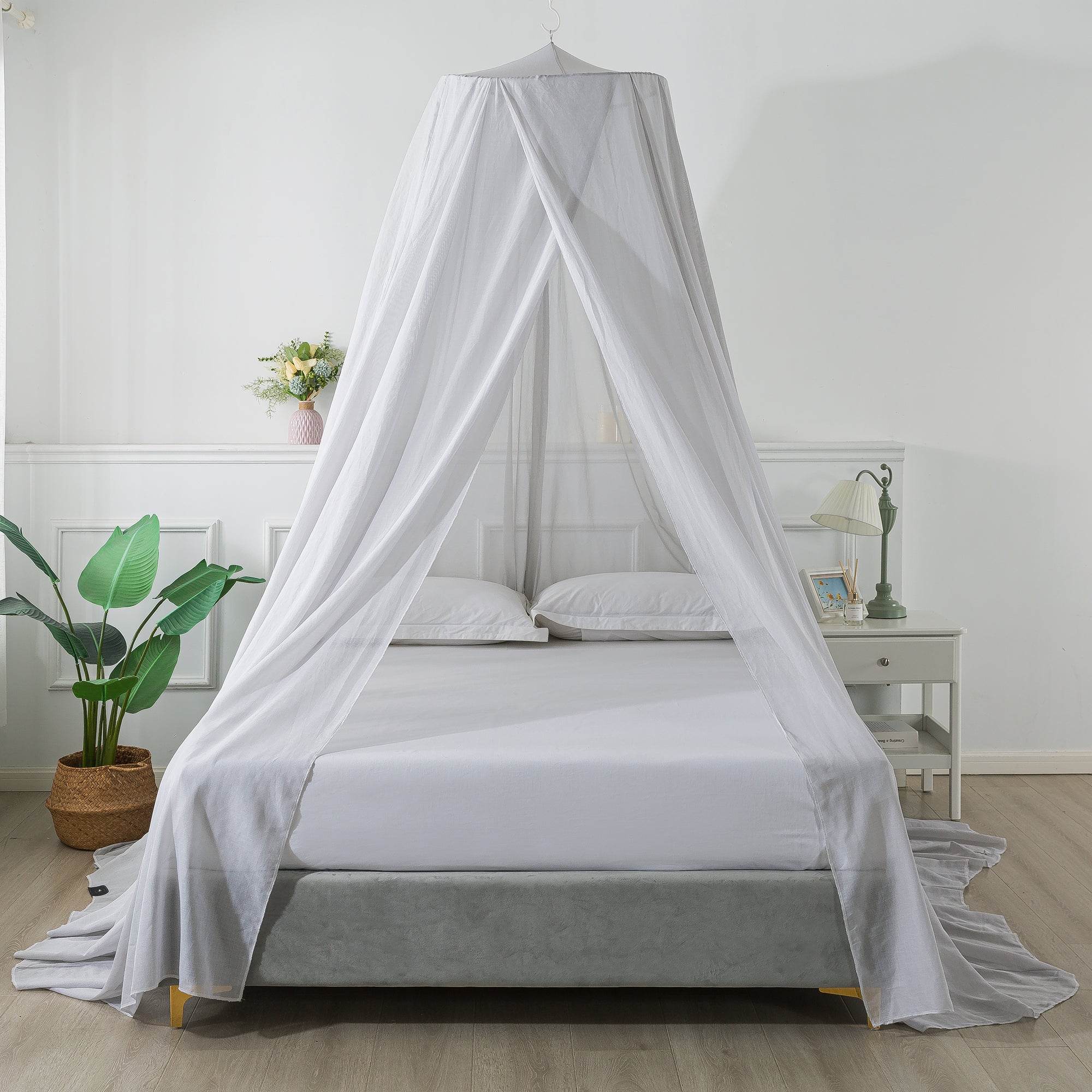
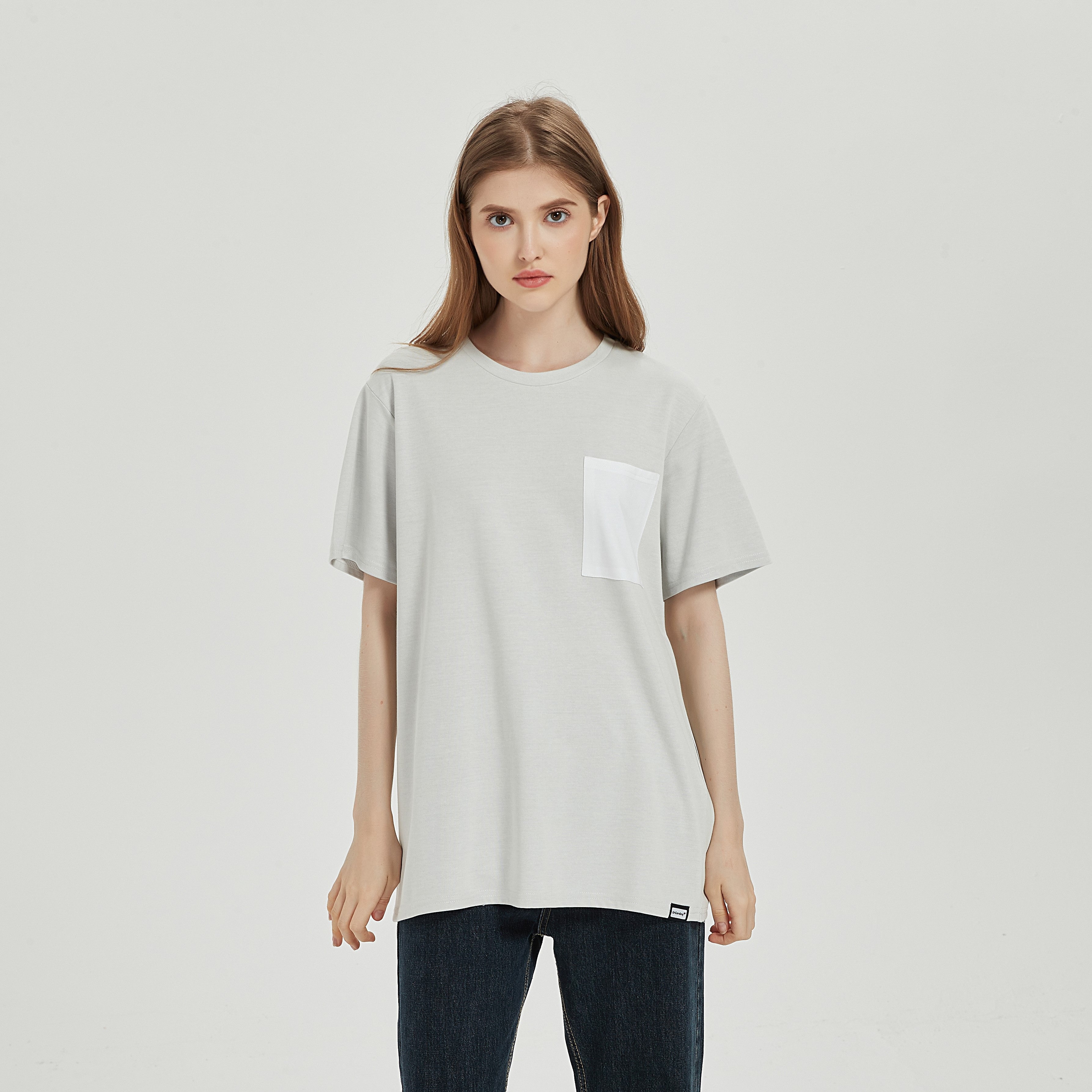

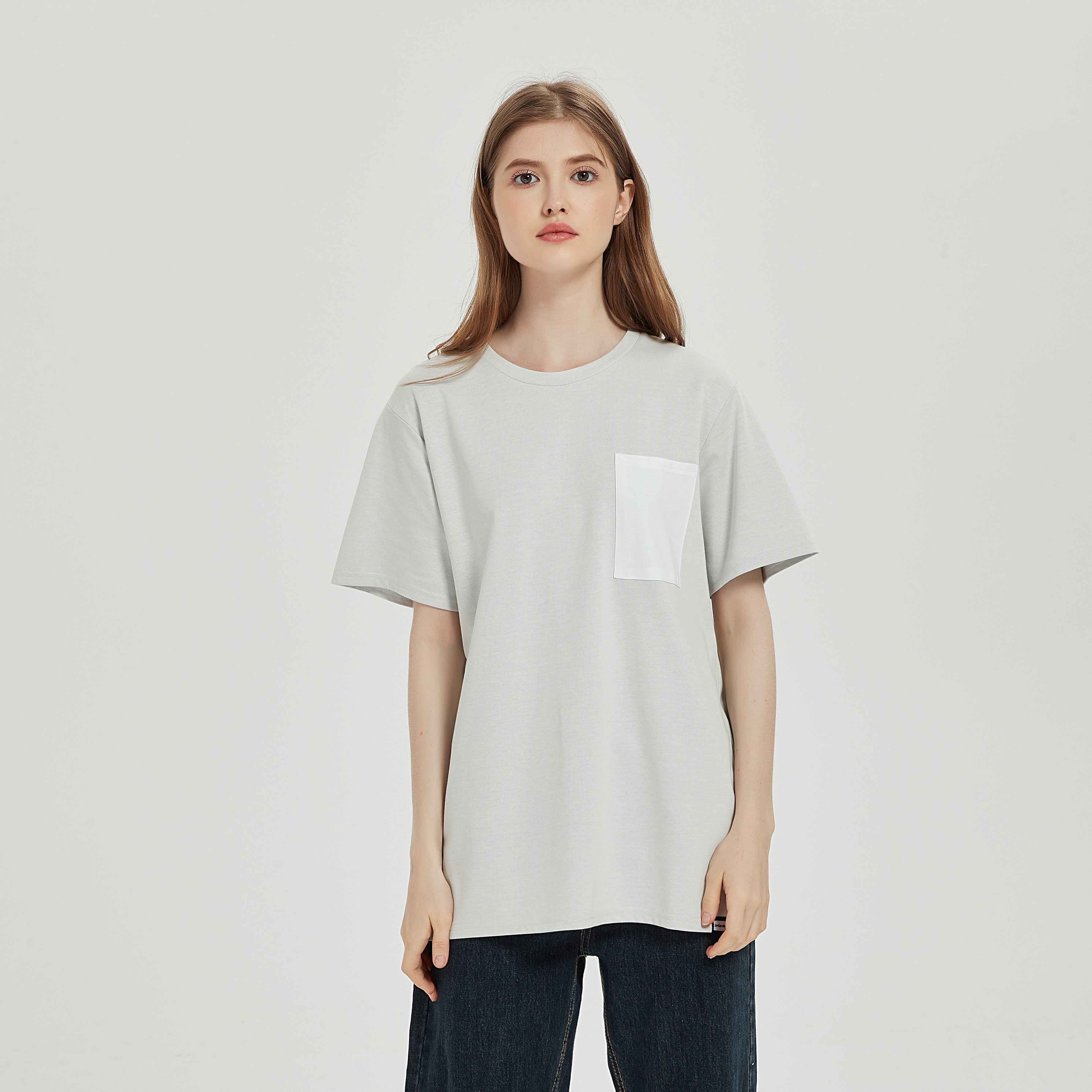



Silver Fiber RF Shielding Pocket T-Shirt

Sale price$50.00

Silver Fiber RF Shielding Pocket T-Shirt

This T-shirt uses a silver fiber conductive textile pocket panel for wearable RF shielding textile applications.

Key Details

  • Conductive pocket panel: Silver fiber fabric supports RF attenuation as part of the pocket construction.
  • Wearable format: Designed as everyday apparel with a localized conductive textile area.
  • Use conditions matter: Fit, pocket coverage, openings, seams, frequency range, and test method affect performance.

Care Instructions

Wash gently in cold water with neutral detergent. Do not bleach or iron the conductive pocket panel.

For order details, see our Shipping Policy and Return & Refund Policy.

Important: These products are technical textile products. No medical use is claimed.

Size: S
Pocket: Urgarding

Not Every “Silver” Textile Is Built the Same

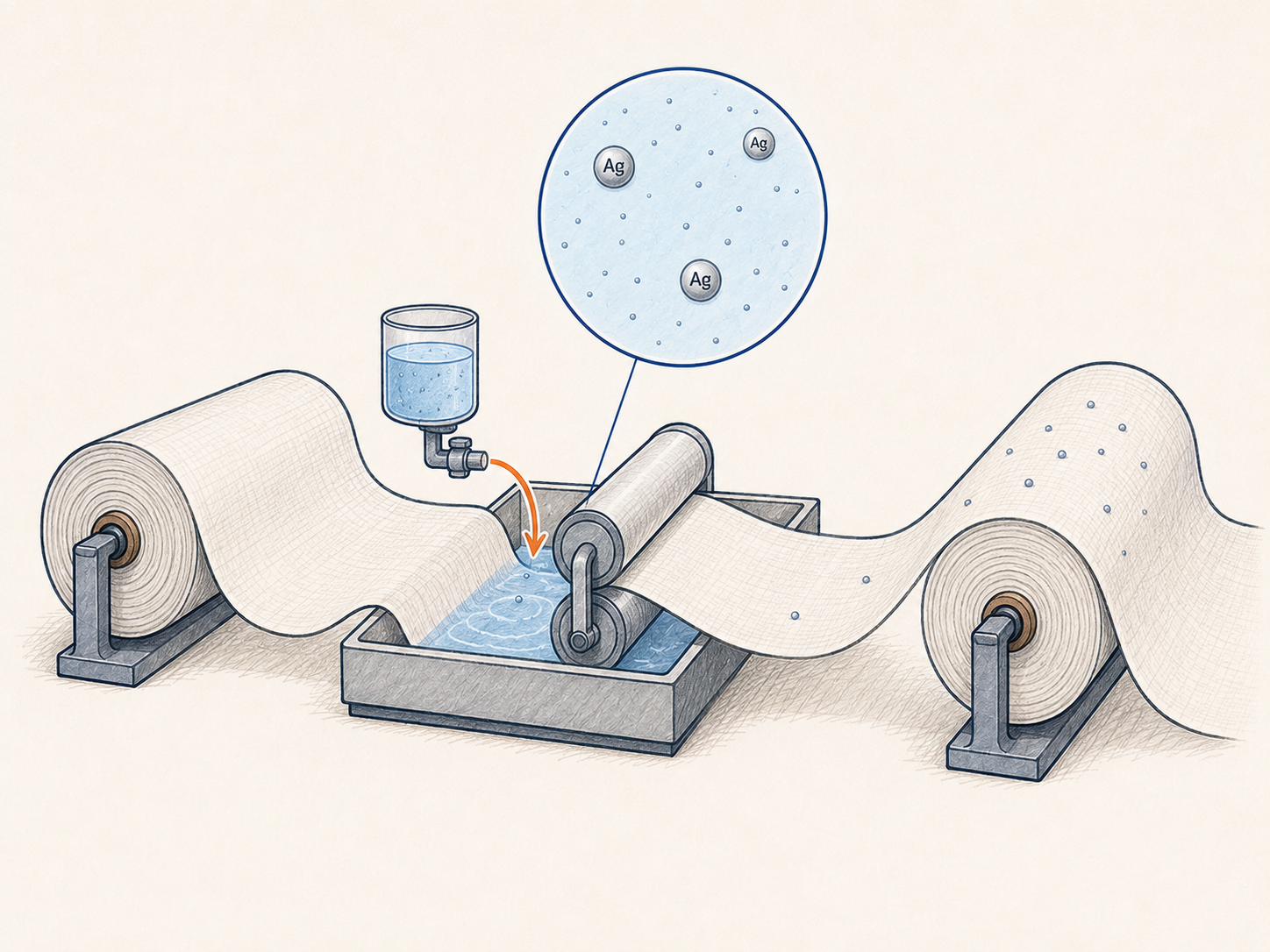
Silver can be added to a textile in very different ways. A surface-applied silver finish and a fabric built with silver-coated conductive fibers may both be described as “silver,” but their structure, durability and function are not the same.

Silver Added as a Finish

Silver Added as a Finish

Silver-containing particles or chemistry are applied to the textile surface.

These treatments are commonly used for odor-control or antimicrobial finishing. Their durability depends on how the silver is fixed to the textile, and the presence of silver alone does not create the continuous conductive path required for RF shielding.
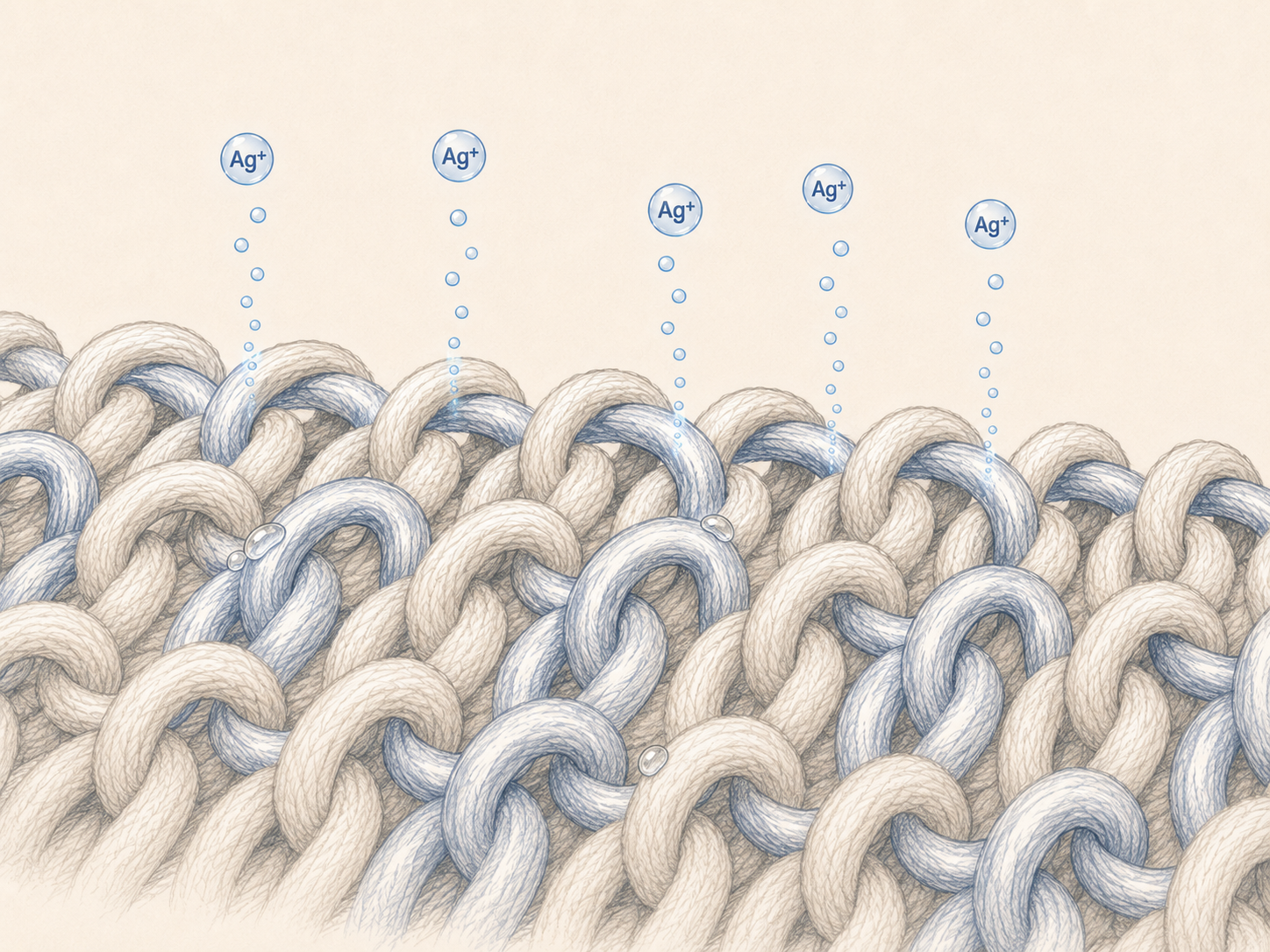
Silver Built into the Conductive Fiber

Silver Built into the Conductive Fiber

A continuous silver surface surrounds the fiber and becomes part of the textile structure.

In a silver-coated conductive textile, the metallic surface provides a connected conductive path and can release silver ions in the presence of moisture. This supports RF attenuation, charge dissipation and potential antimicrobial activity—although each function requires its own test.

Conductive Path

Connected silver-coated fibers allow charge to move through the textile structure.

RF Attenuation

Shielding depends on conductive coverage, garment construction, openings, seams and test frequency.

Silver-Ion Activity

Antimicrobial activity depends on available silver ions and must be verified through a defined test method.

Unlike a temporary surface finish, the conductive silver surface is integrated into the fiber structure. It still experiences gradual wear through use, perspiration and laundering.

Care That Preserves Performance

Silver-coated fibers are functional surfaces. Gentle care helps preserve the conductive path and slows unnecessary discoloration.

Wash Gently

Use cold water and wash gently by hand unless the sewn-in care label states otherwise.

Use a Neutral Detergent

Use a small amount of mild, pH-neutral detergent. Do not use bleach, stain remover or fabric softener.

Limit Friction

Do not scrub, brush, twist, wring or leave the garment soaking for a prolonged period.

Do Not Store It Damp

After significant perspiration, do not leave the garment wet or compressed. Rinse or wash it gently when needed.

Air Dry in Shade

Reshape the garment gently and allow it to air dry away from direct sunlight and high heat. Do not tumble dry.

Avoid Heat and Metal Cleaners

Do not iron the conductive fabric. Never use silver polish, tarnish remover or abrasive cleaning products.

Store the garment only when it is fully clean and dry. Correct care can slow normal aging, but it cannot keep an exposed metallic textile visually unchanged forever.

When Silver Changes Color

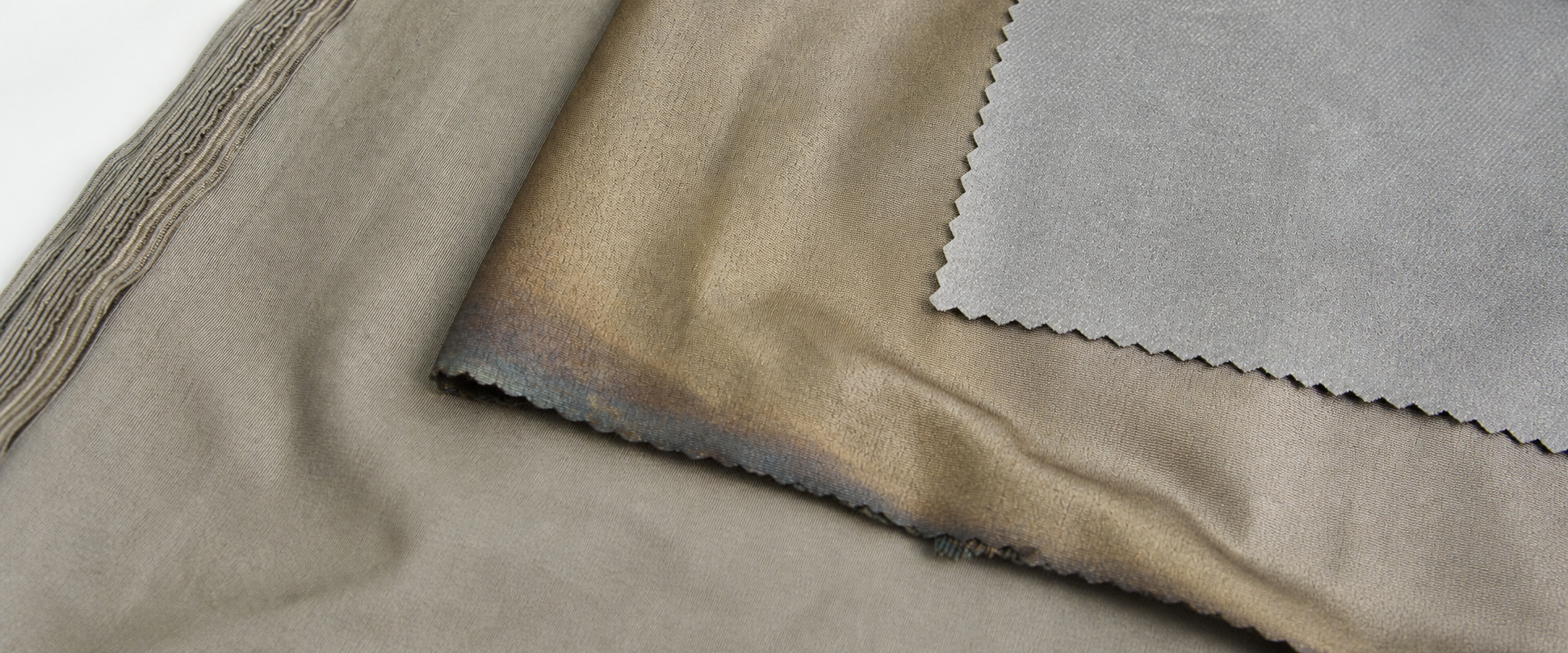
Yellow, brown or darker areas can appear as silver reacts with perspiration, humidity and compounds in the surrounding environment. This surface change can occur during normal use, but appearance alone cannot tell us how much shielding performance remains.

When Silver Changes Color
An example of visible surface aging on a silver-coated textile.

Discoloration

The visible change in color. It describes the appearance, but not the exact chemical cause or remaining shielding performance.

Tarnish / Patina

A surface layer or aged appearance created by reactions with the surrounding environment. For silver textiles, “tarnish” is usually the more precise technical term; “patina” is a broader description of the aged appearance.

Coating Damage

Physical or chemical loss of the silver coating can interrupt conductive paths, raise local resistance and reduce functional performance.

Silver Apparel Questions

This is a technical textile product. No medical use or health outcome is claimed.