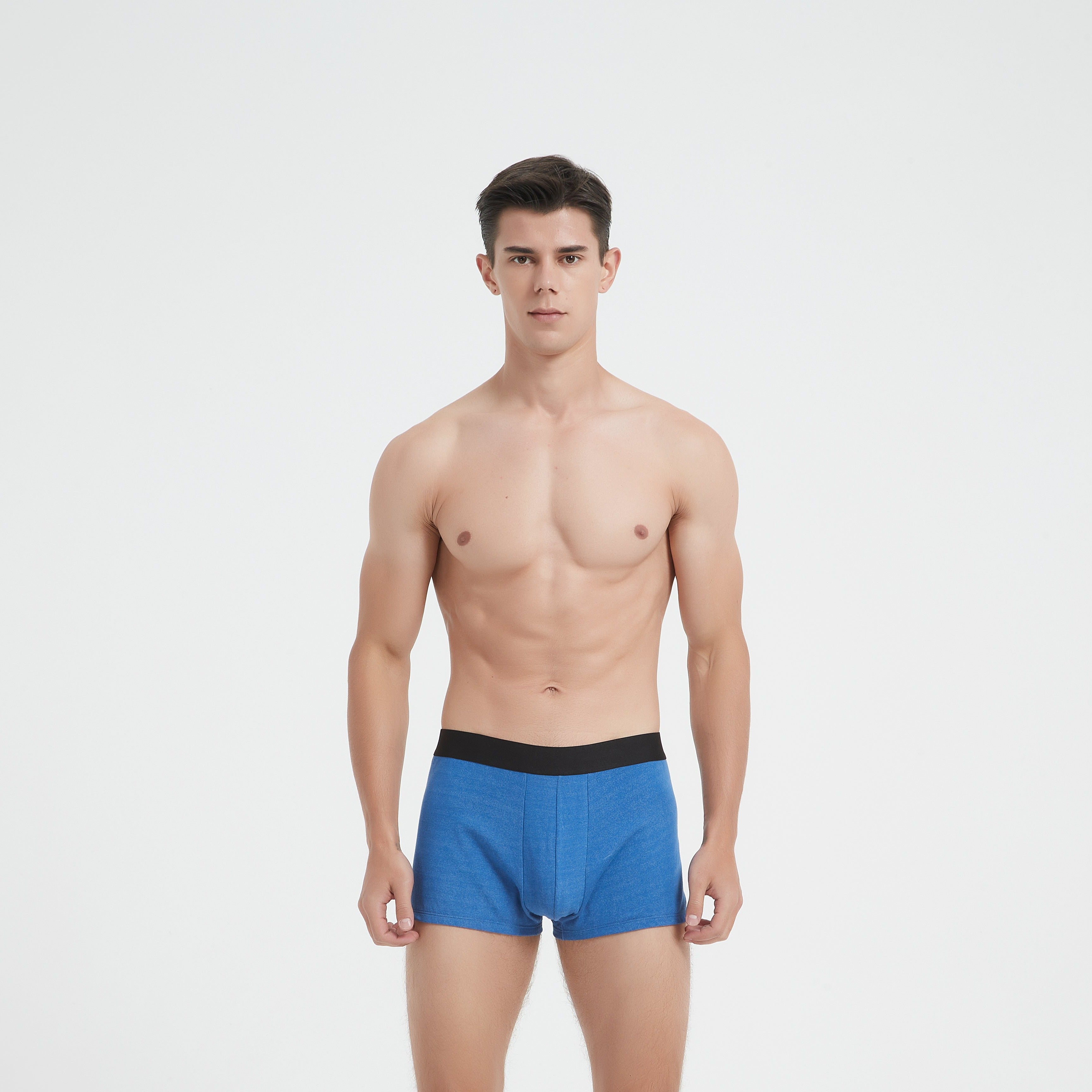
Apparel / garment lining
Confirm: breathability, finish, and wash care for the intended use.
EMF Apparel ?Yunjia Textile - Technical Learning Hub
Compare silver, copper, and stainless steel shielding textiles for apparel, bedding, Faraday enclosures, and OEM applications.
EMF shielding fabric is a flexible textile made conductive by integrating metals such as silver, copper, or stainless steel into the yarn or coating. Unlike ordinary cotton or polyester, which are electrically insulating, these fabrics form a flexible conductive layer designed for EMF shielding applications - behaving like a flexible Faraday surface.
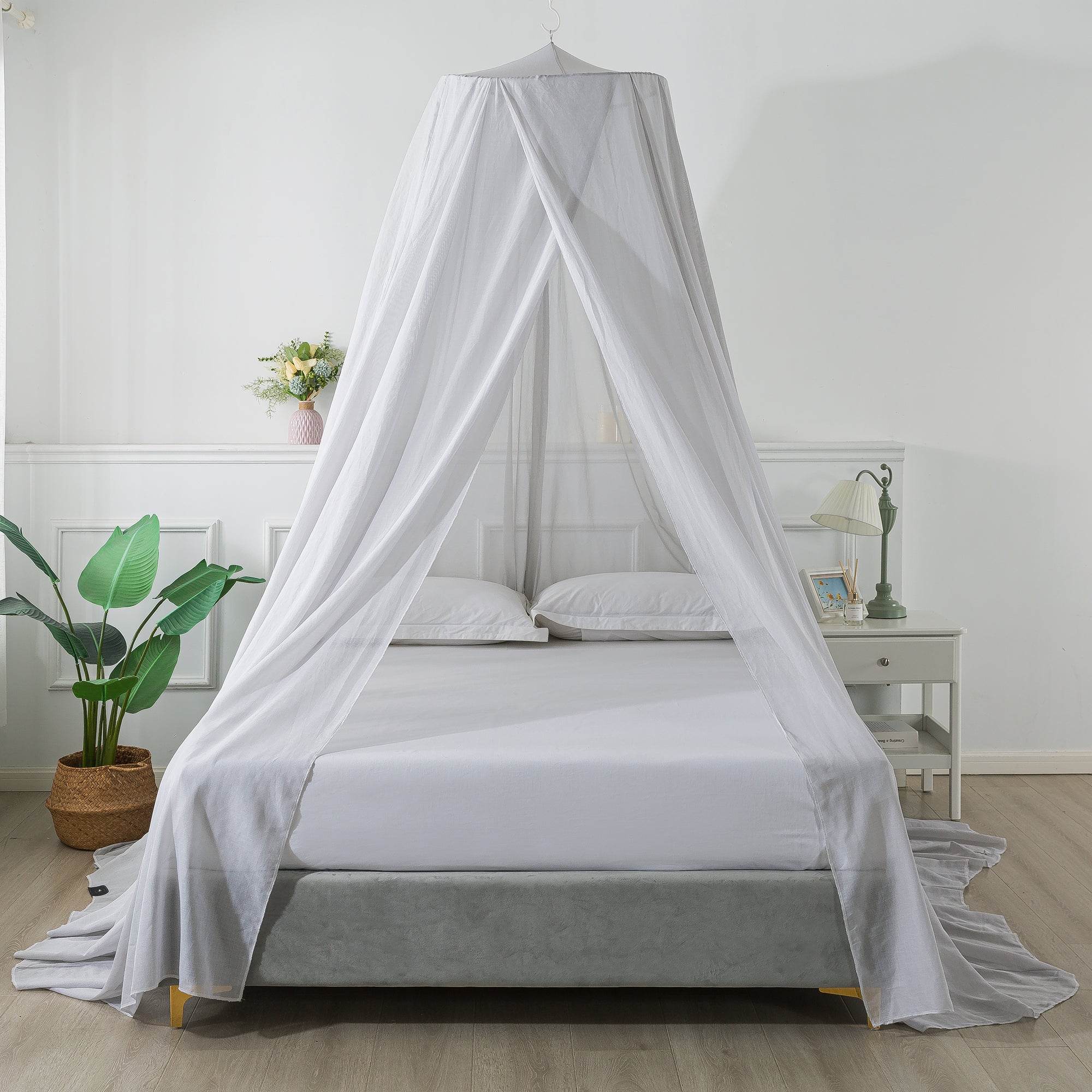
They are used in EMF-protective apparel, grounding and earthing textiles, Faraday tents and canopies, signal-management enclosures, smart/sensor textiles, and as OEM base materials for shielding products.
Conductive textiles interact with electromagnetic energy through several mechanisms. Real-world performance depends on frequency range, material structure, seams, openings, grounding, and the test method used.
The base metal drives conductivity, comfort, durability and cost. The right choice depends on your application rather than a single "best" material.
| Property | Silver fiber fabric | Copper / copper-nylon | Stainless steel textile |
|---|---|---|---|
| Best for | Apparel, bedding, canopies, sensors | Enclosures, tapes, flexible shields | Industrial, washable, high-durability |
| Conductivity | Highest among common metals | Very high | Moderate |
| Comfort | Soft, lightweight handle | Soft, flexible | Coarser, more rigid |
| Durability | Can oxidize over time; light-gray finish helps | Oxidizes faster | Excellent; wash & corrosion resistant |
| Typical applications | Garment lining, grounding sheets, tents | EMI gaskets, shielding panels | Industrial enclosures, filtration |
| Notes / tradeoffs | Premium cost; best performance per weight | Balanced cost/performance | Most economical; lower conductivity |
Shielding effectiveness is commonly described in decibels (dB) on a logarithmic scale. For electric- or magnetic-field amplitude, roughly 20 dB corresponds to about a 10x reduction, 40 dB to about 100x, and 60 dB to about 1000x - always under the stated test setup. Reported figures only apply to a specific frequency range, sample condition, and test method.
When evaluating a fabric, ask for the test standard (for example IEEE 299 or ASTM D4935), the frequency range tested, and the sample condition. A dB number without a stated test method is not directly comparable across suppliers.
Start from the requirement, not the product. For EMF/RF shielding the priorities are conductive continuity, coverage, seam and opening control, frequency range, and grounding - then comfort and durability for the specific use. The references below point to relevant material groups; non-shielding conductive-textile uses (grounding, sensors, electrodes, fencing lame, conductive yarns) are covered in the Conductive Textile Guide.
Confirm: breathability, finish, and wash care for the intended use.
EMF Apparel ?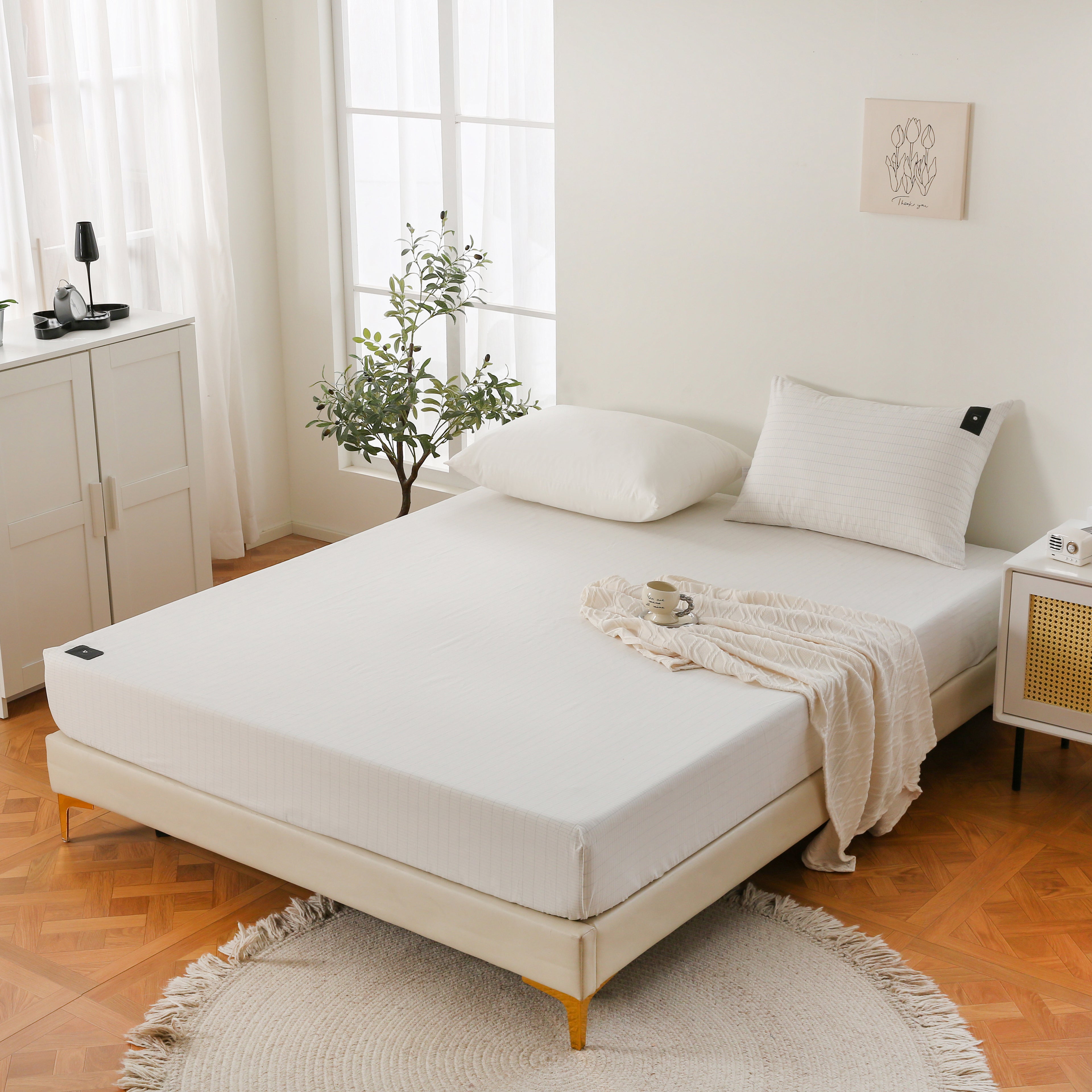
Priorities: full coverage, seam construction, opening management, and stated frequency range.
Shielding canopies ?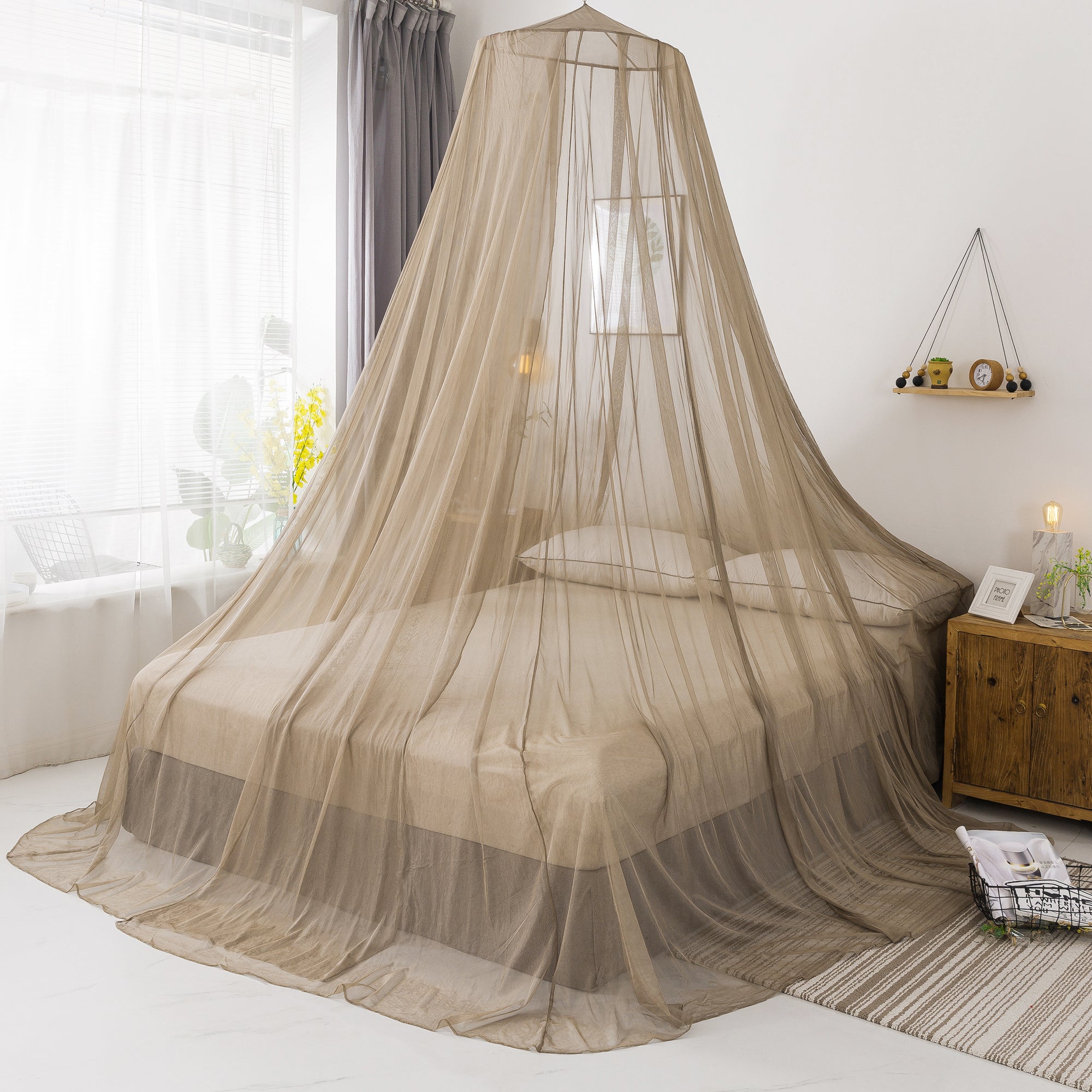
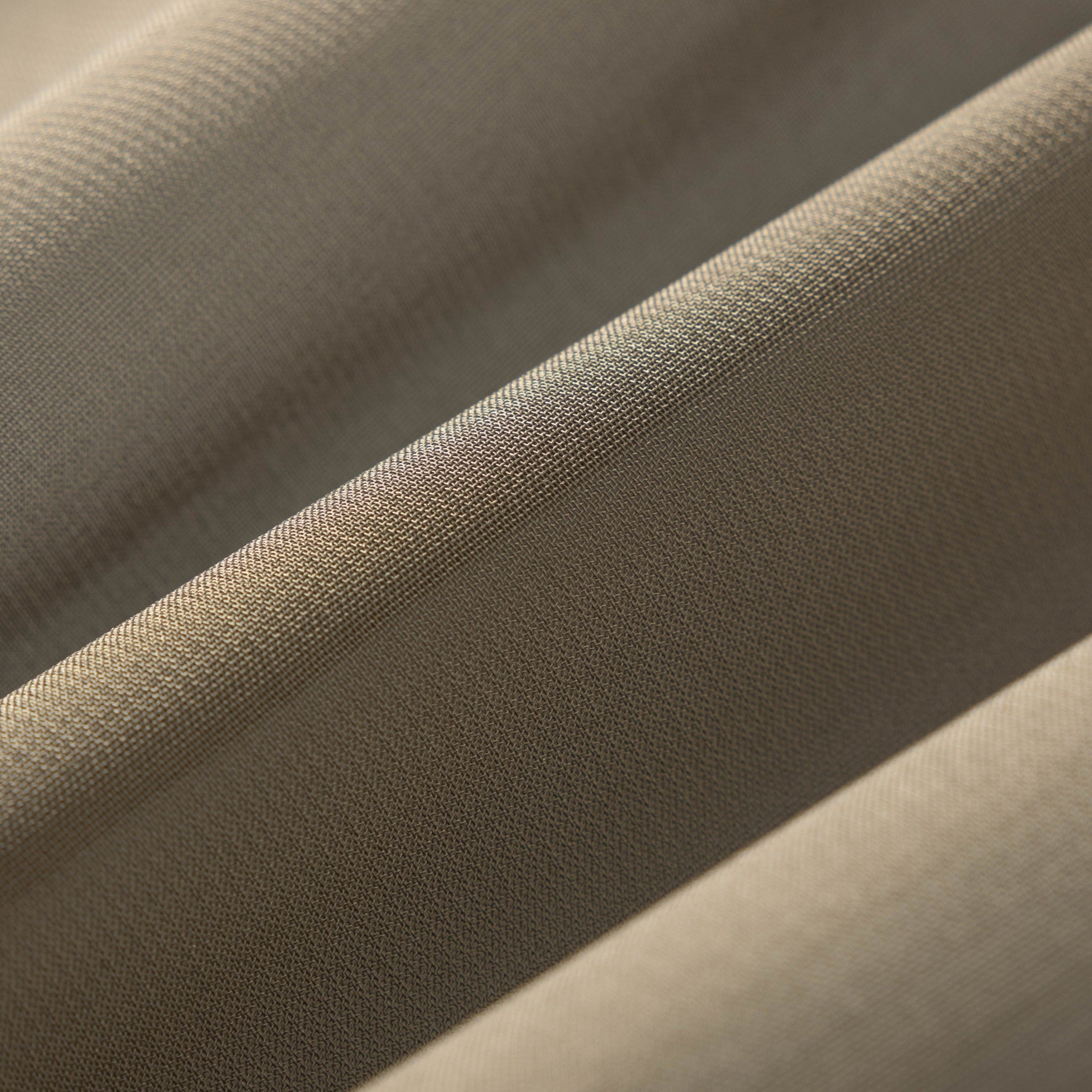
Confirm: durability, washability, batch consistency.
Industrial & Defense ?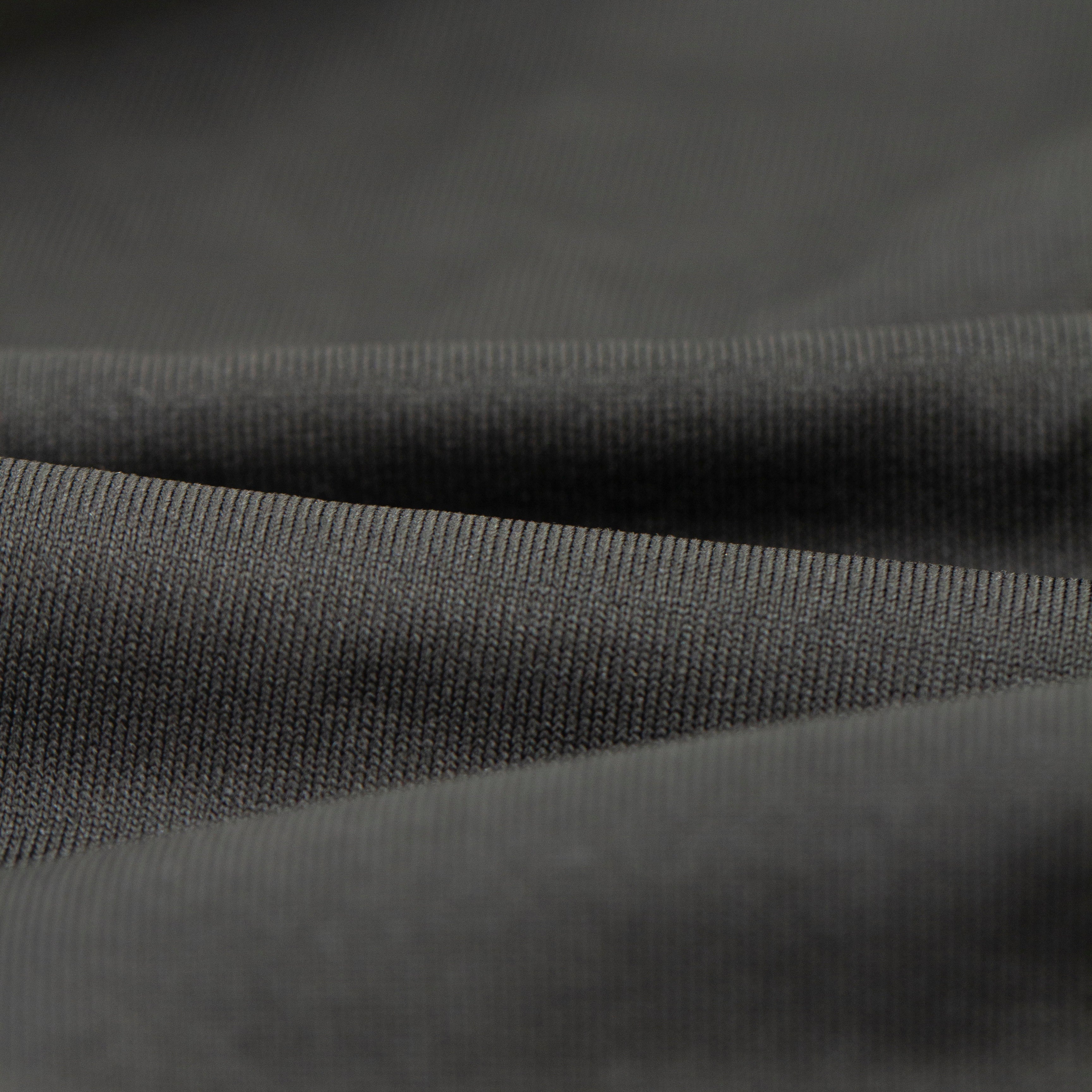
Grounding, sensors, electrodes, fencing lame, heating and antistatic textiles are not shielding-specific.
Conductive Textile Guide ?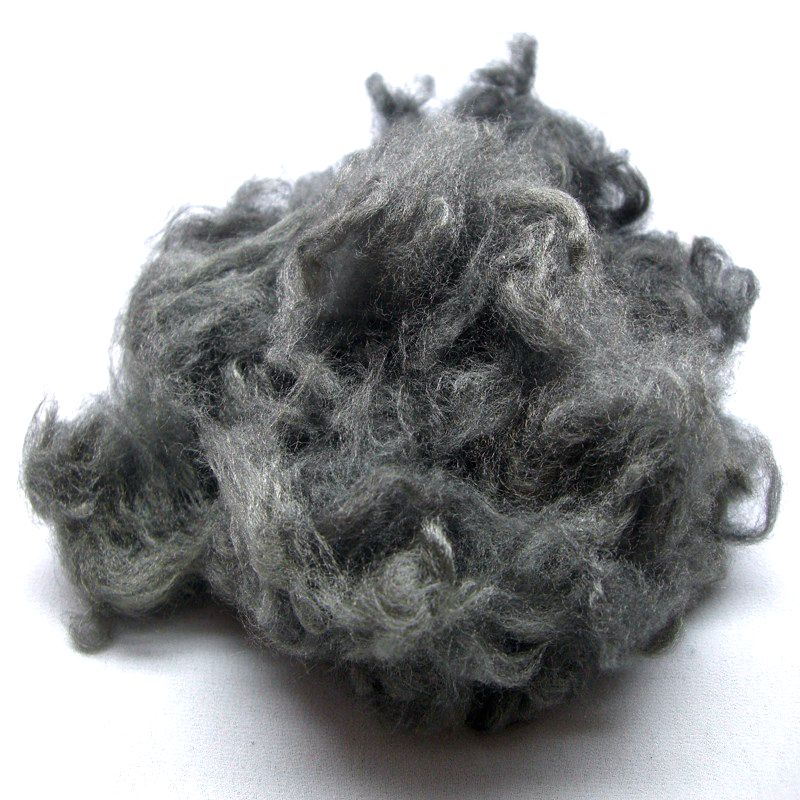
For shielding builds, define test method, frequency range, coverage, and construction before sourcing.
Discuss an OEM spec ?Request a sample or send your specification - our team can advise on material, construction and test requirements.
Silver has the highest conductivity among common metals and generally offers strong shielding performance per unit weight. Copper performs comparably, while stainless steel provides moderate but highly durable, wash-resistant shielding. The best choice depends on the application.
Performance is measured against standardized methods such as IEEE 299 or ASTM D4935, over a stated frequency range and sample condition. Always ask for the test method behind any dB figure so results are comparable.
Lifespan depends on the metal and care. Silver can oxidize gradually, which a light-gray finish and gentle washing help slow. Stainless-steel fabrics are the most durable and tolerate repeated washing with minimal change.
Often yes, following the maker's instructions: cold water, gentle cycle or hand wash, no bleach or fabric softener, and air-dry. Harsh detergents and high heat can degrade the conductive layer. Stainless-steel blends are typically the most wash-tolerant.
EMF is a broad term covering both low-frequency electric/magnetic fields and high-frequency radio waves. RF refers specifically to higher frequencies such as cellular, Wi-Fi and 5G. Conductive fabrics are generally most effective in the RF range.
Silver, copper, and stainless-steel conductive textiles for apparel, bedding, enclosures and OEM production.