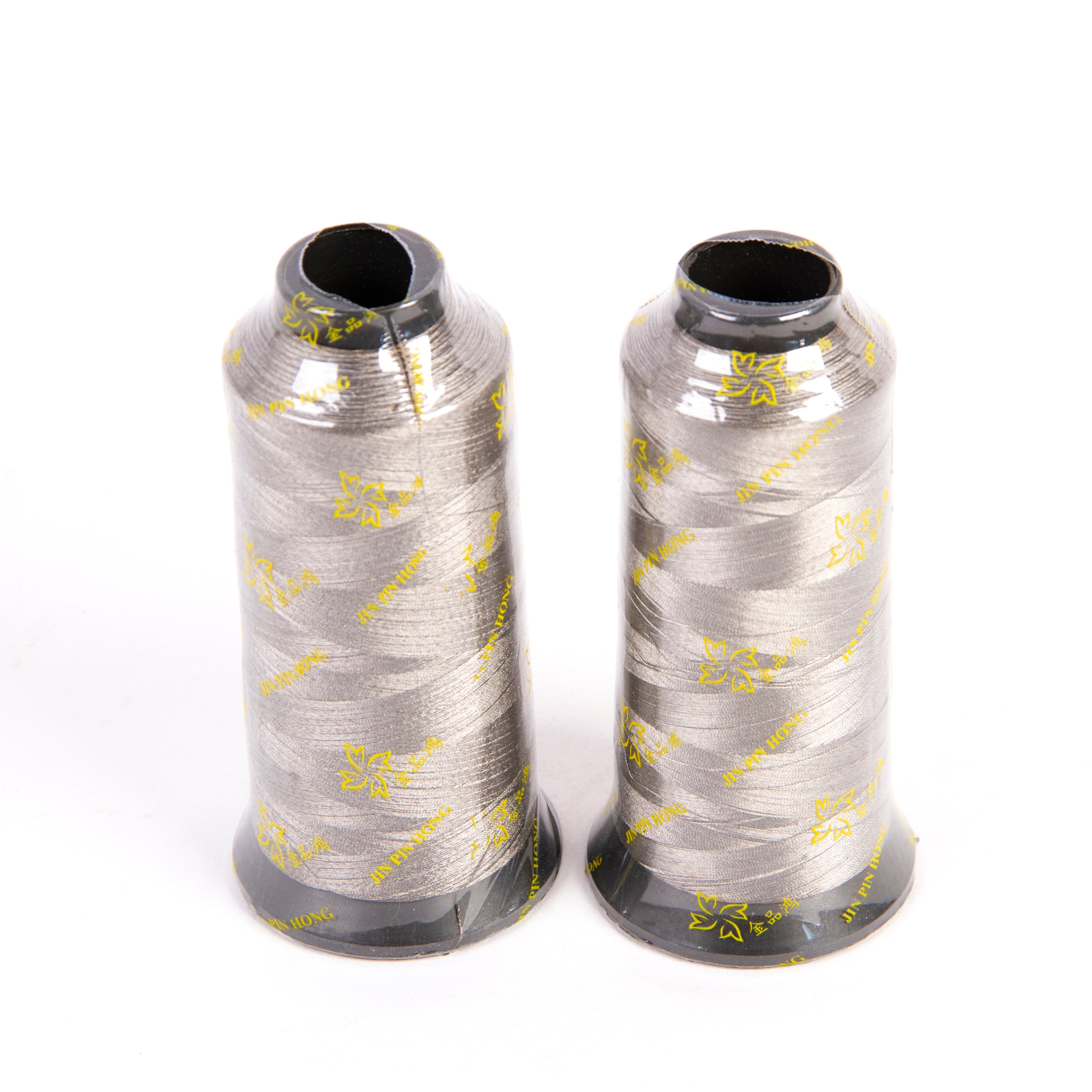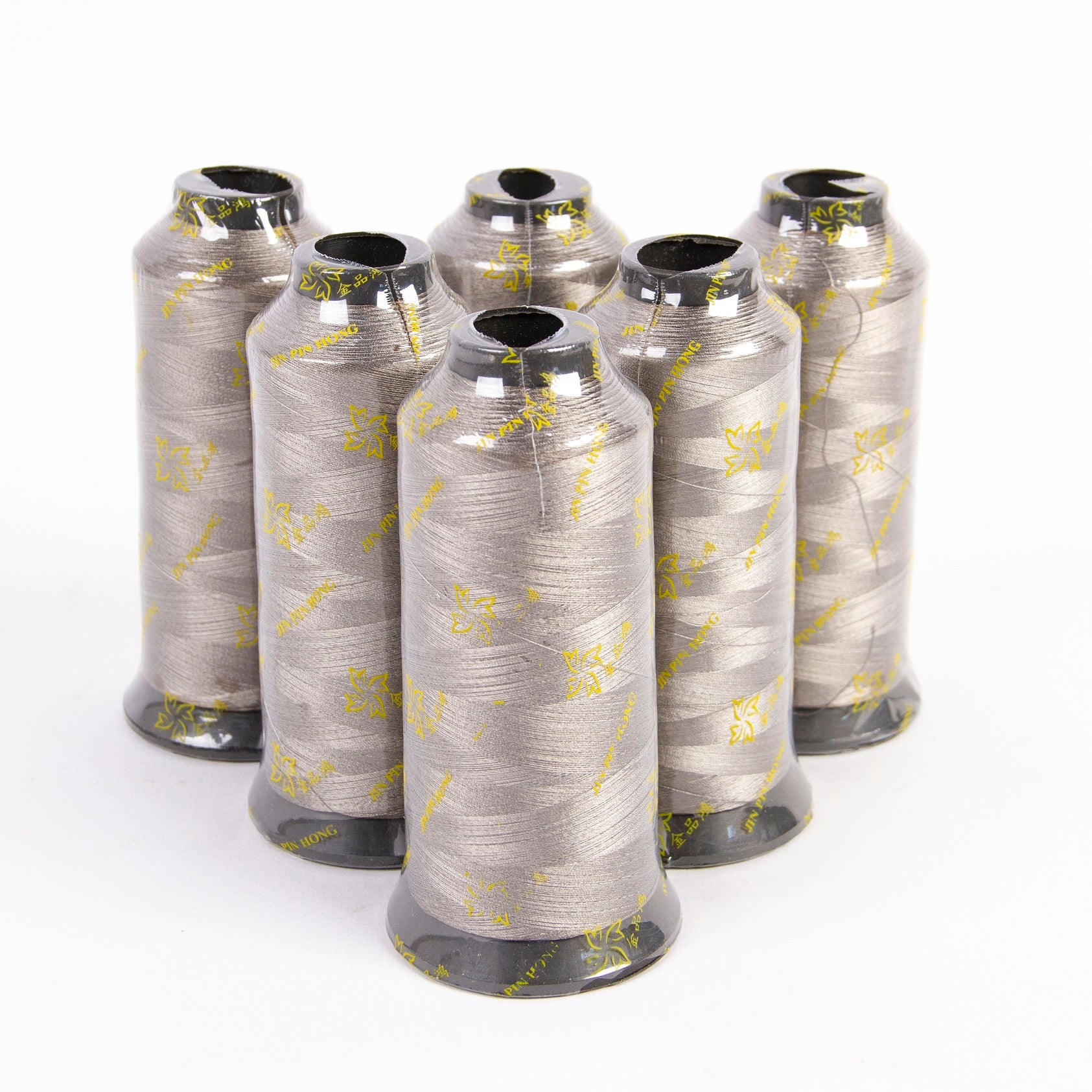
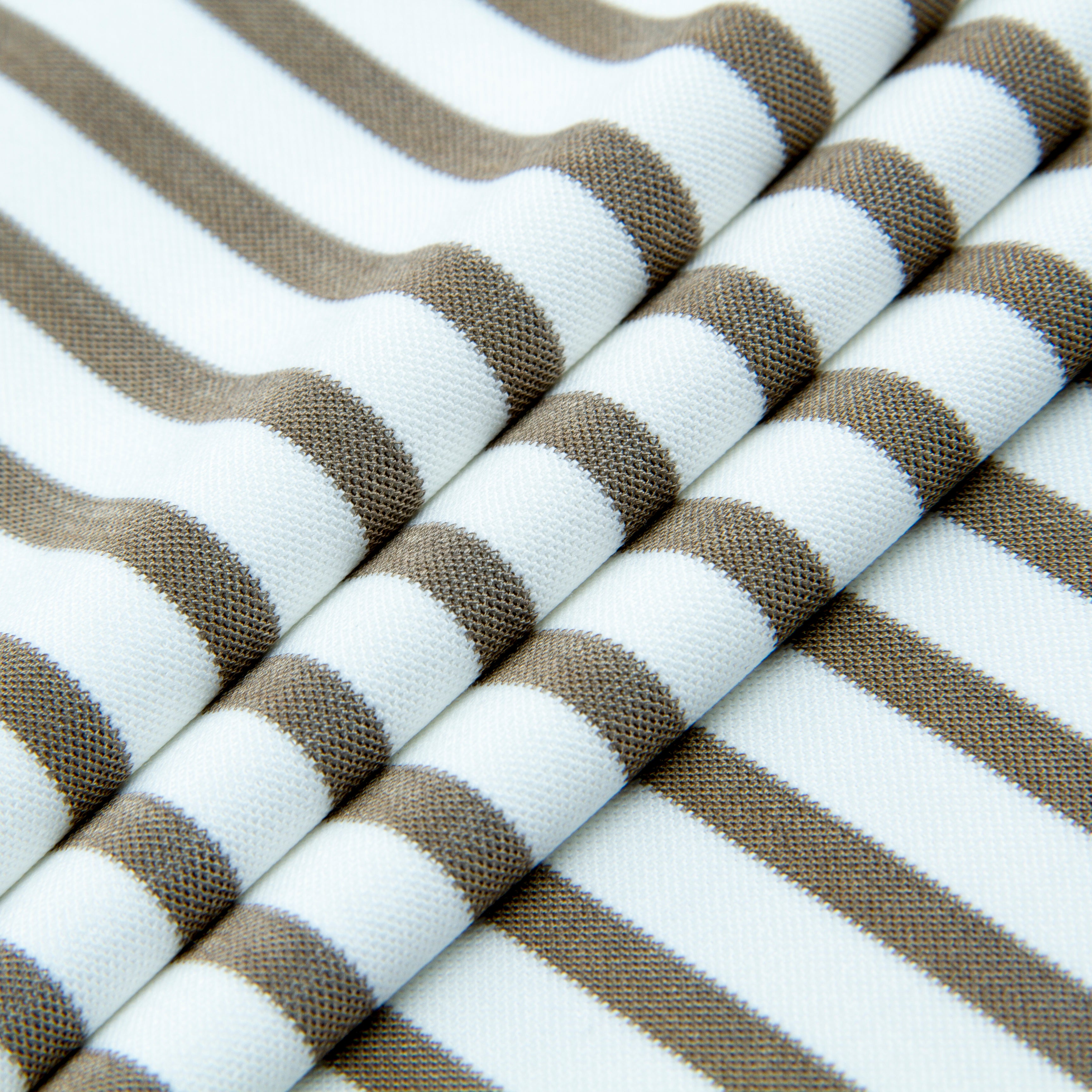
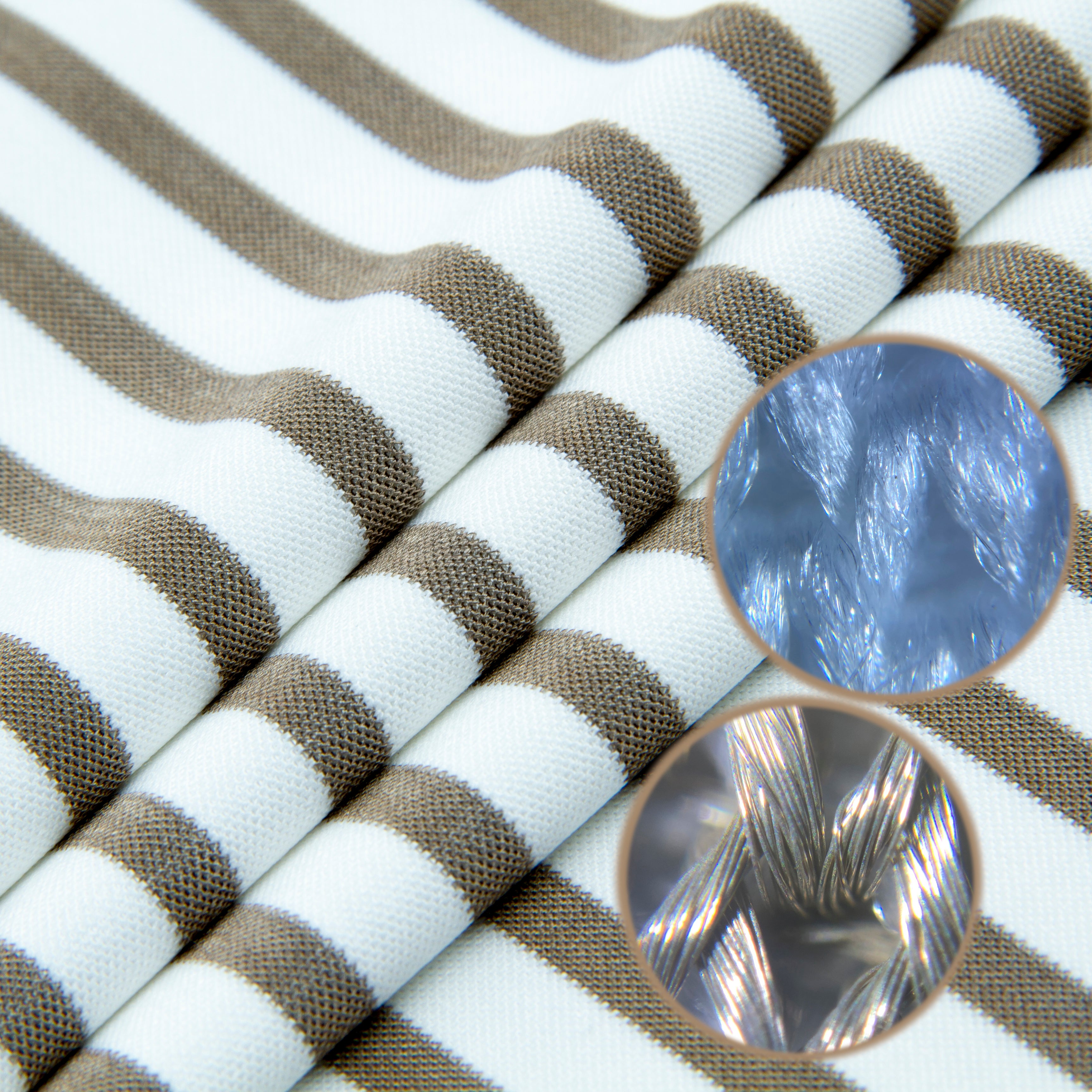
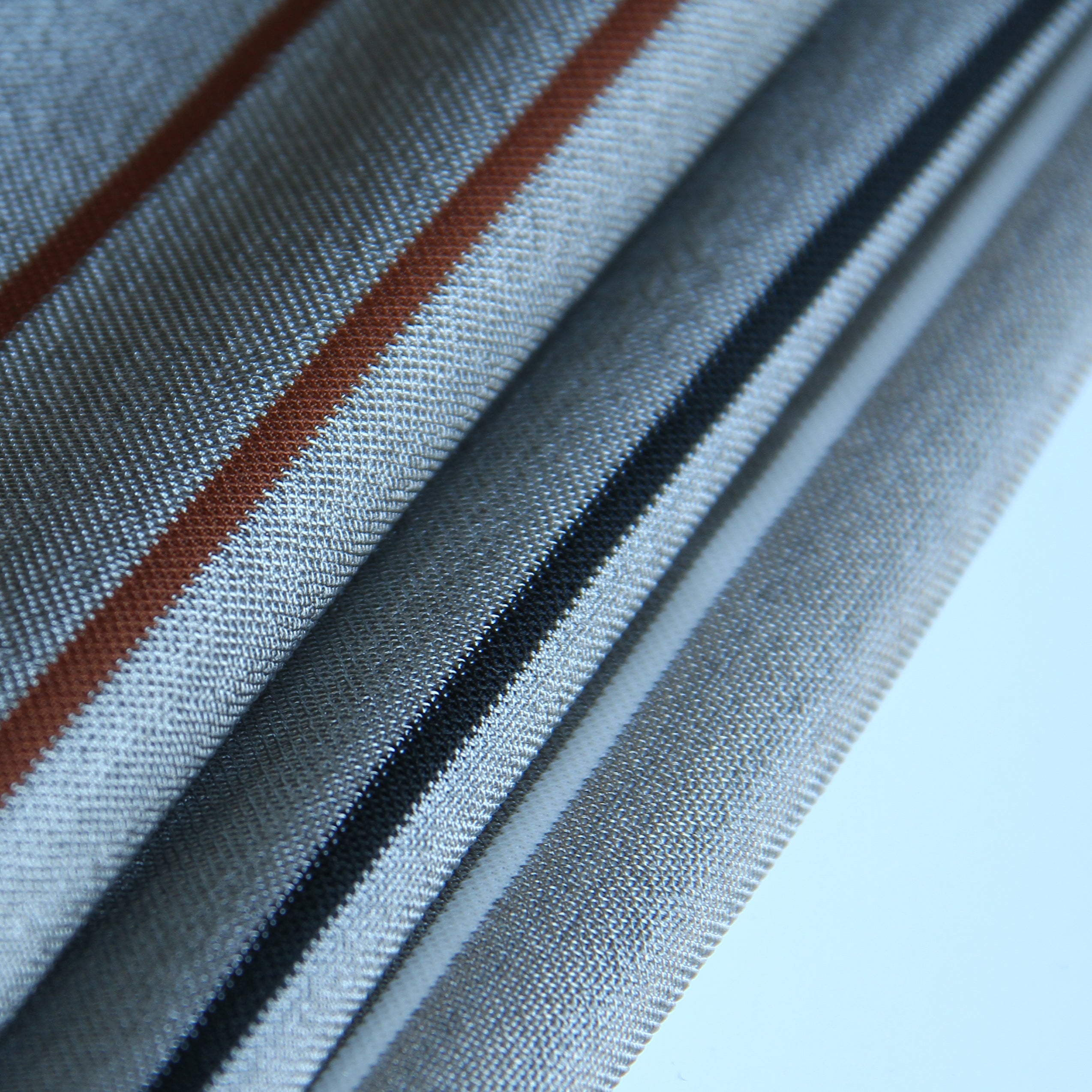

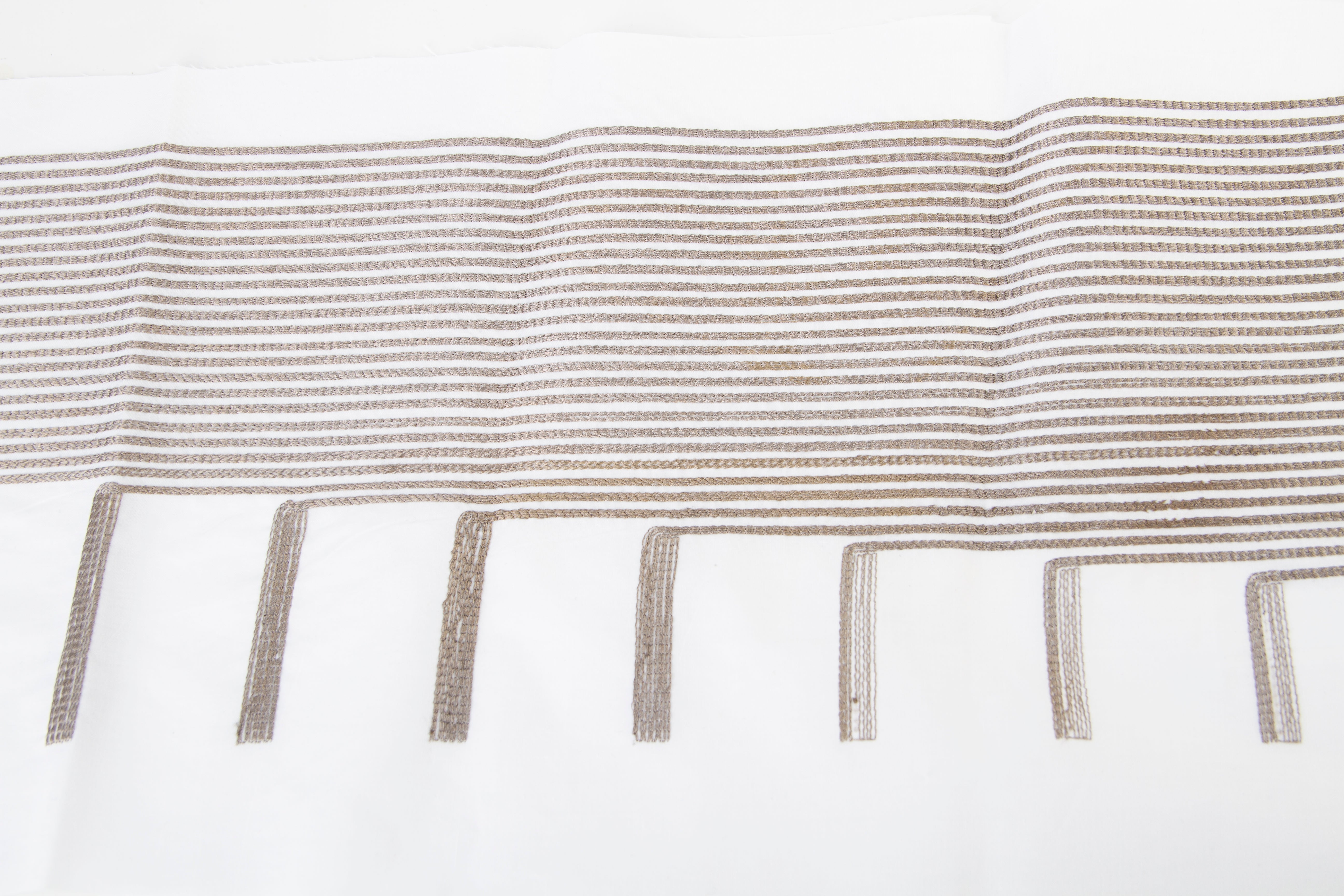
FSRセンサー用 ゼブラ柄銀導電性テキスタイル
FSRセンサー用 ゼブラ柄銀導電性テキスタイル
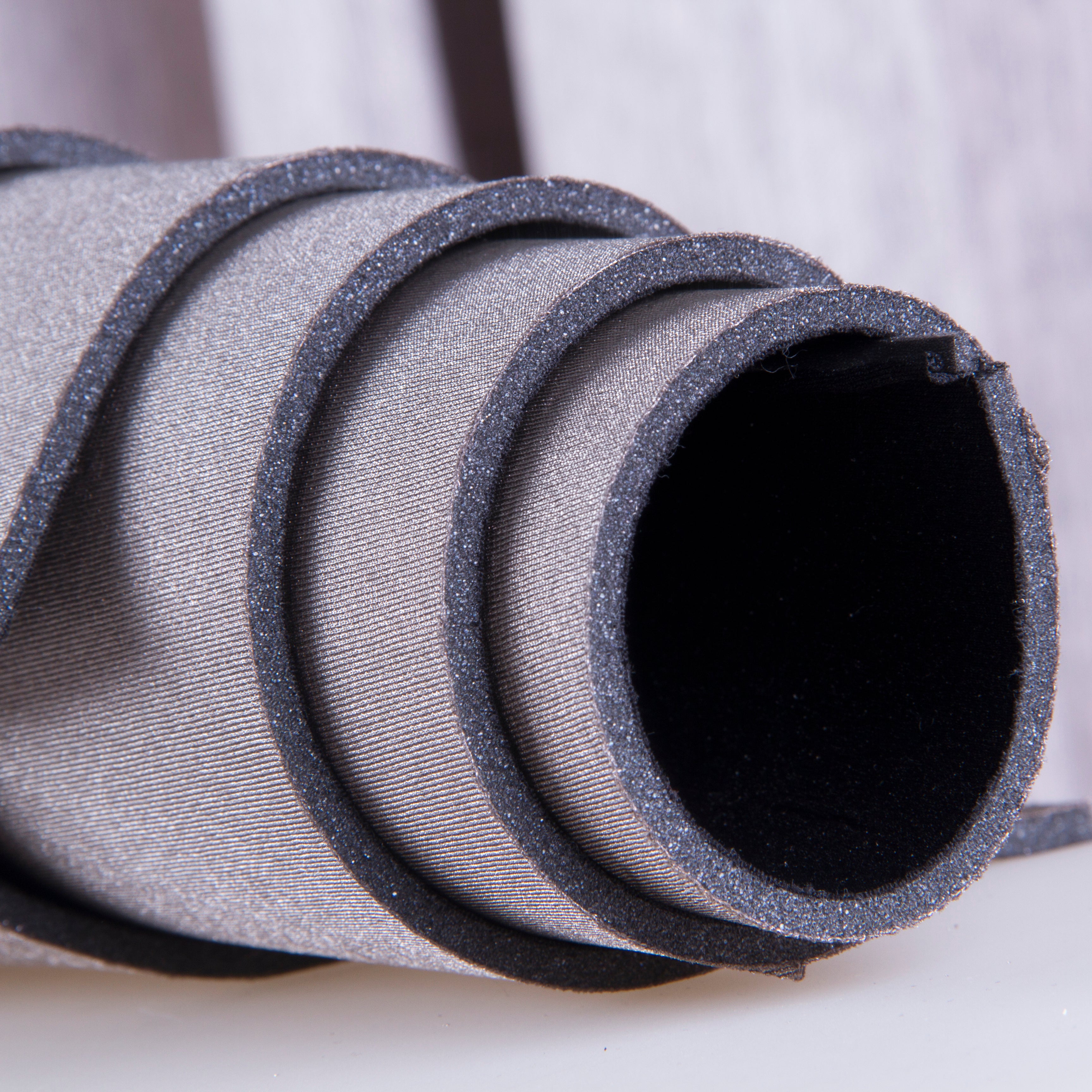
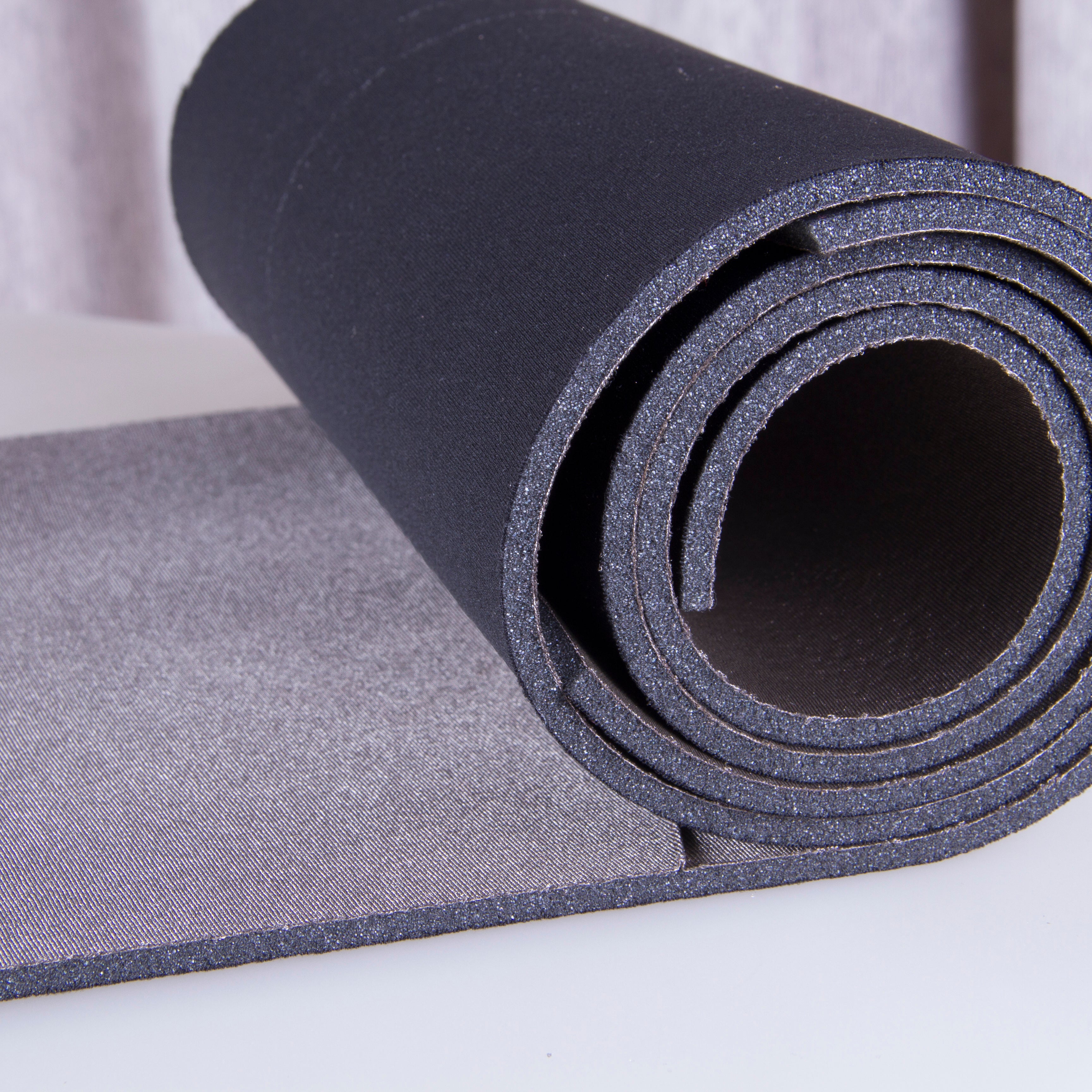
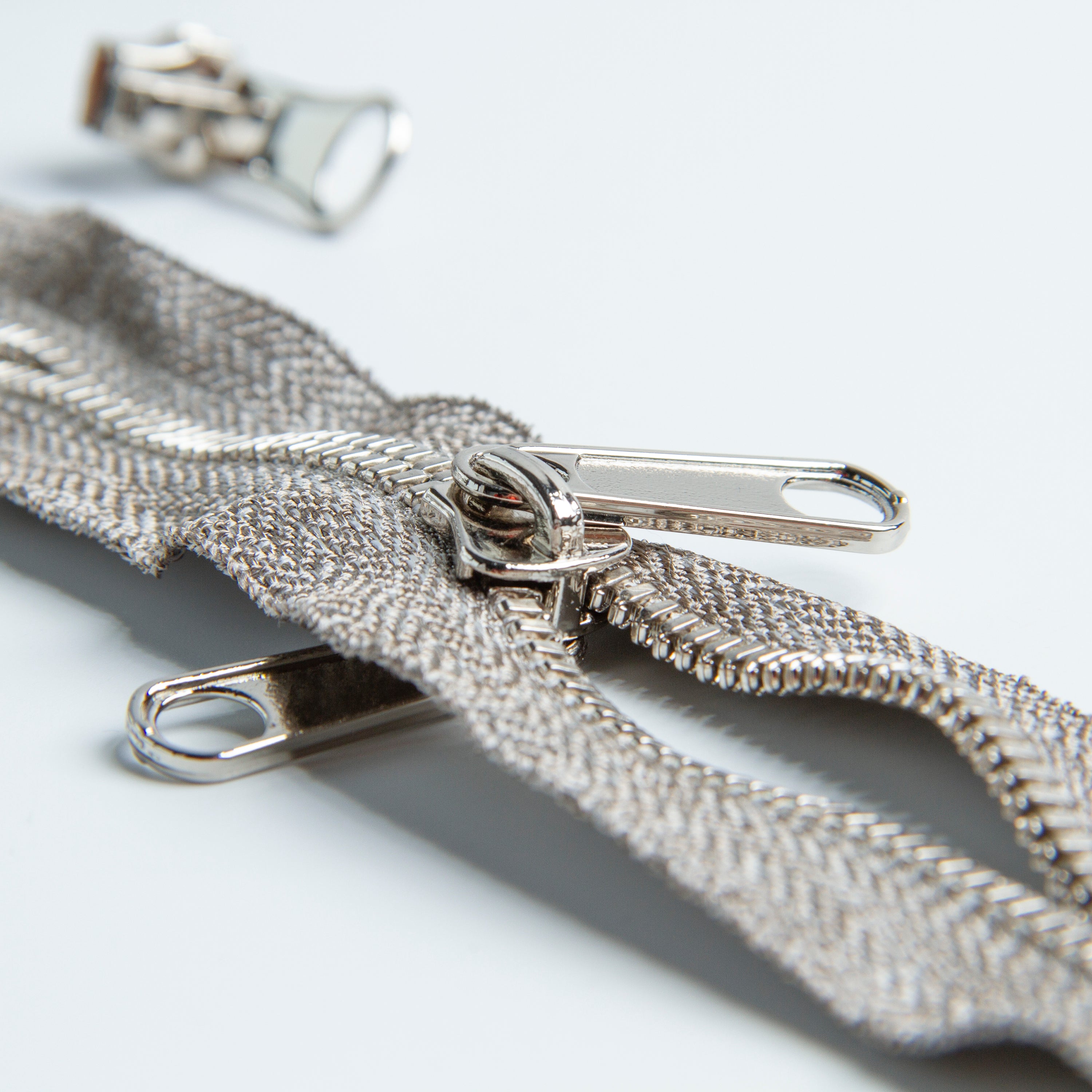
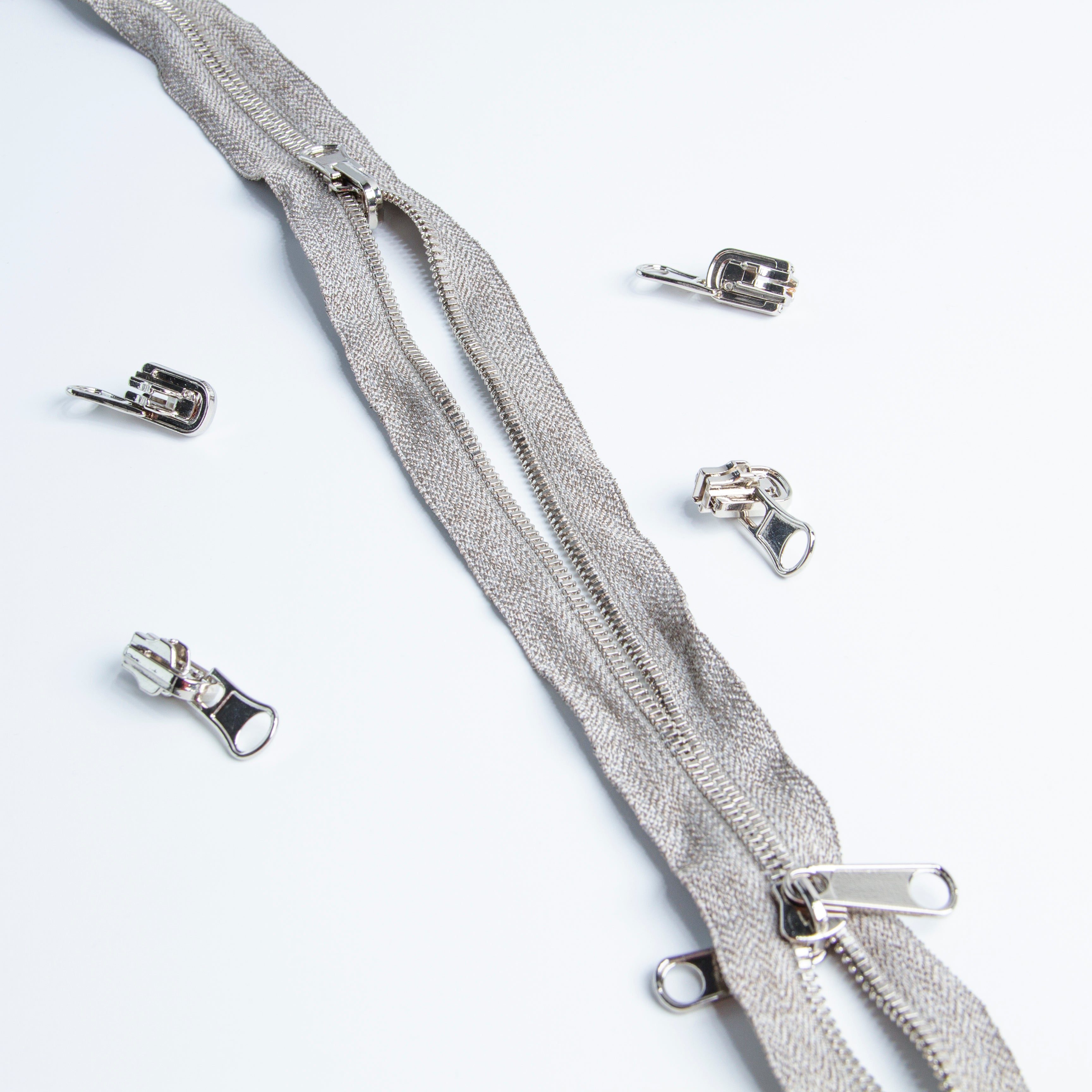
革新的なゼブラパターンの銀導電性テキスタイルにより、高度な FSR 圧力センシングを実現。この特殊なファブリックは圧力下で電気的特性が変化するため、スマート ウェアラブルや医療診断に最適です。
主な利点:
- 精密センシング: 高感度のゼブラパターンにより、スマートインソールと姿勢モニターで局所的な圧力検出が可能になります。
- 柔軟で柔らかい: 標準的なテキスタイルの快適さを維持しながら、ハイテクセンシング機能を提供します。
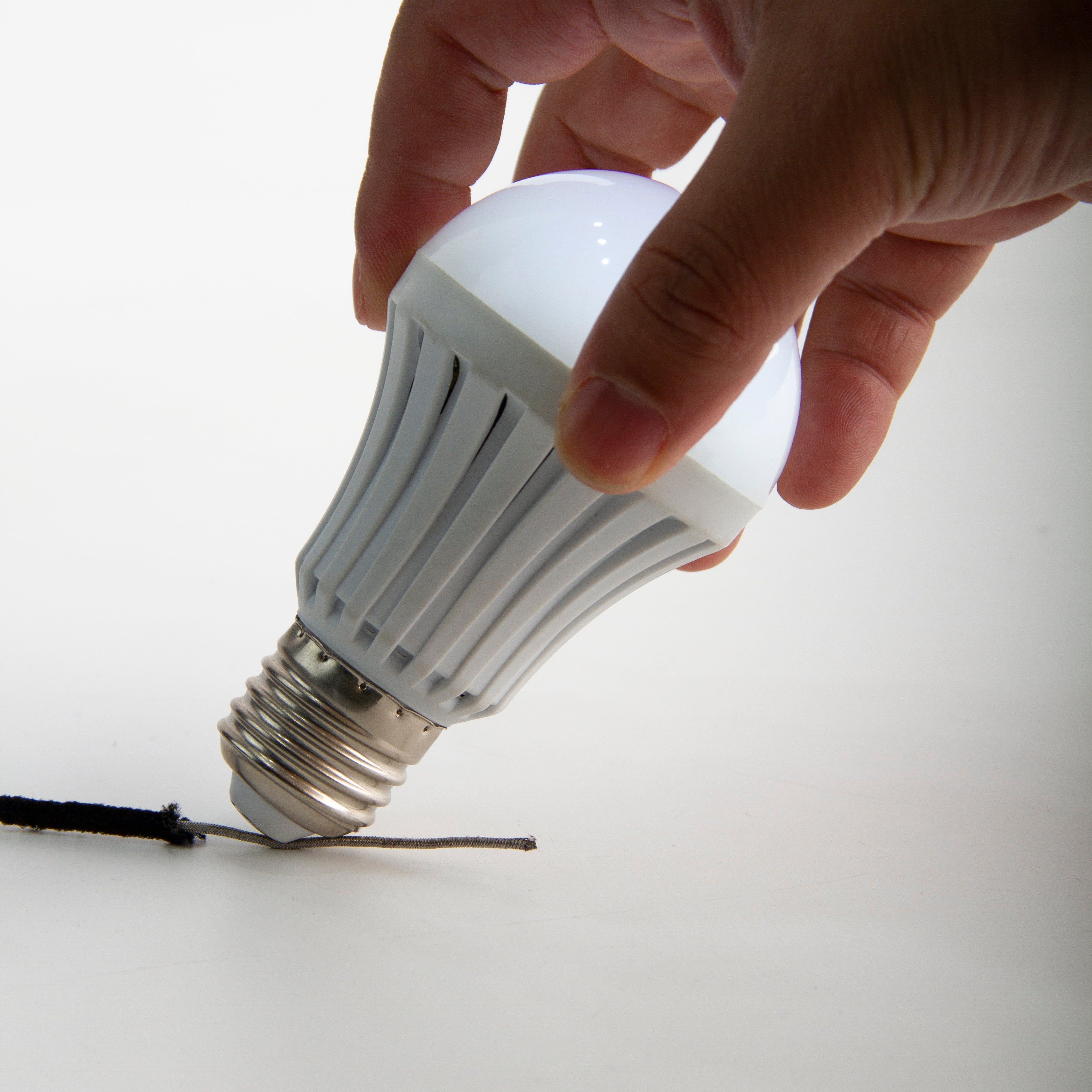
- 動的導電率: ピエゾ抵抗性能により、さまざまな力の適用に対して幅広い検出が可能になります。
- 統合された耐久性: 数千回の圧縮サイクルを通じて性能を維持し、信頼性の高い長期センシングを実現します。
技術仕様:
- 材料: 導電性銀メッキのピエゾ抵抗ファブリック
- 検知パターン: ゼブラストライプ(精密導電性)
- 厚さ: 0.2 mm
- 応用: FSRセンサー、歩行分析、スマートテキスタイル
お手入れ方法:
洗濯しないでください。鋭い折り目やしわは避けてください。乾燥した環境で平らに保管してください。
比較する
製品比較
製品に関する有益な情報を顧客に提供し、製品間の違いを紹介します。
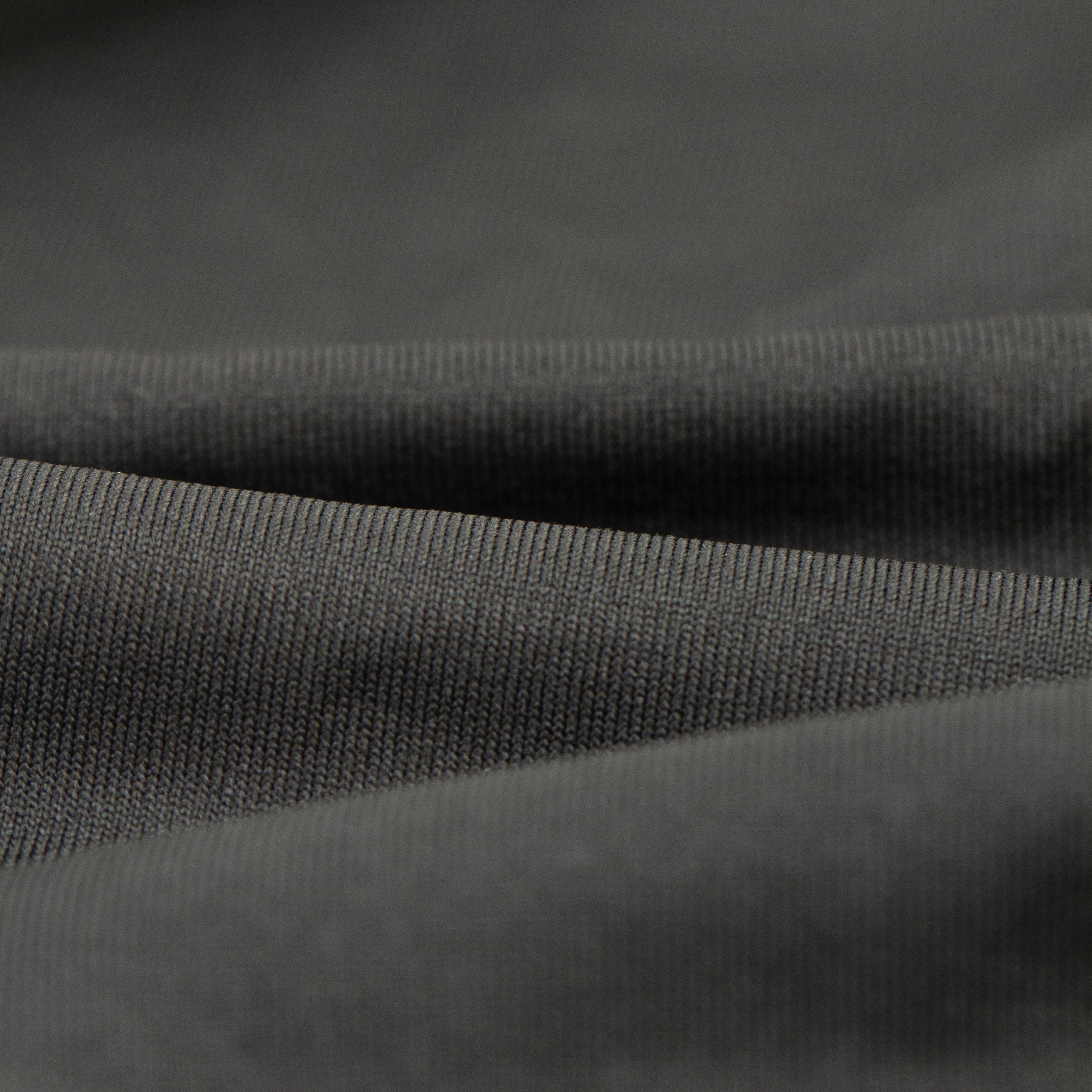
電極
ピエゾ抵抗
銀
炭素
0.1 -1 Ω
10⁴–10⁷ Ω
ピエゾ抵抗の抵抗データシート
導電性PCB銀薄膜を上下層に使用したサンドイッチ構造。 0–2 kg が直径 1 cm の接触領域に力を加えた場合、表示される値は 5 回の測定の平均を表します。このデータセットは、材料性能の参照として機能します。

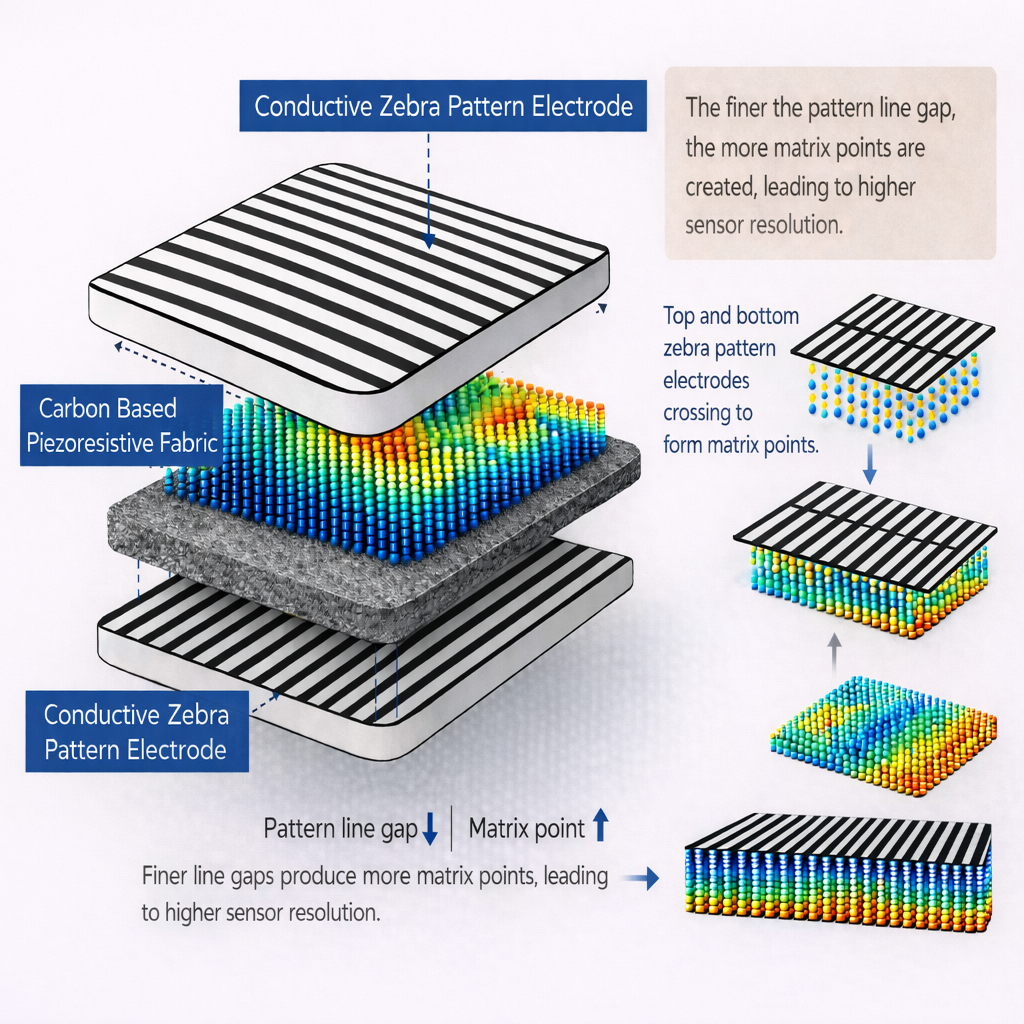
あ ピエゾ抵抗繊維センサー 層状の生地構造を使用して、加えられた圧力を抵抗変化に変換します。ゼブラパターンの導電性電極がカーボンベースのピエゾ抵抗ファブリックを挟み込んでいます。圧縮下では内部の接触点が増加し、抵抗が低下します。電極ラインの間隔が狭くなると、より高密度のセンシング マトリックスが生成され、ウェアラブル、ソフト ロボティクス、圧力マッピング システムの空間分解能、柔軟性、信号の安定性が向上します。
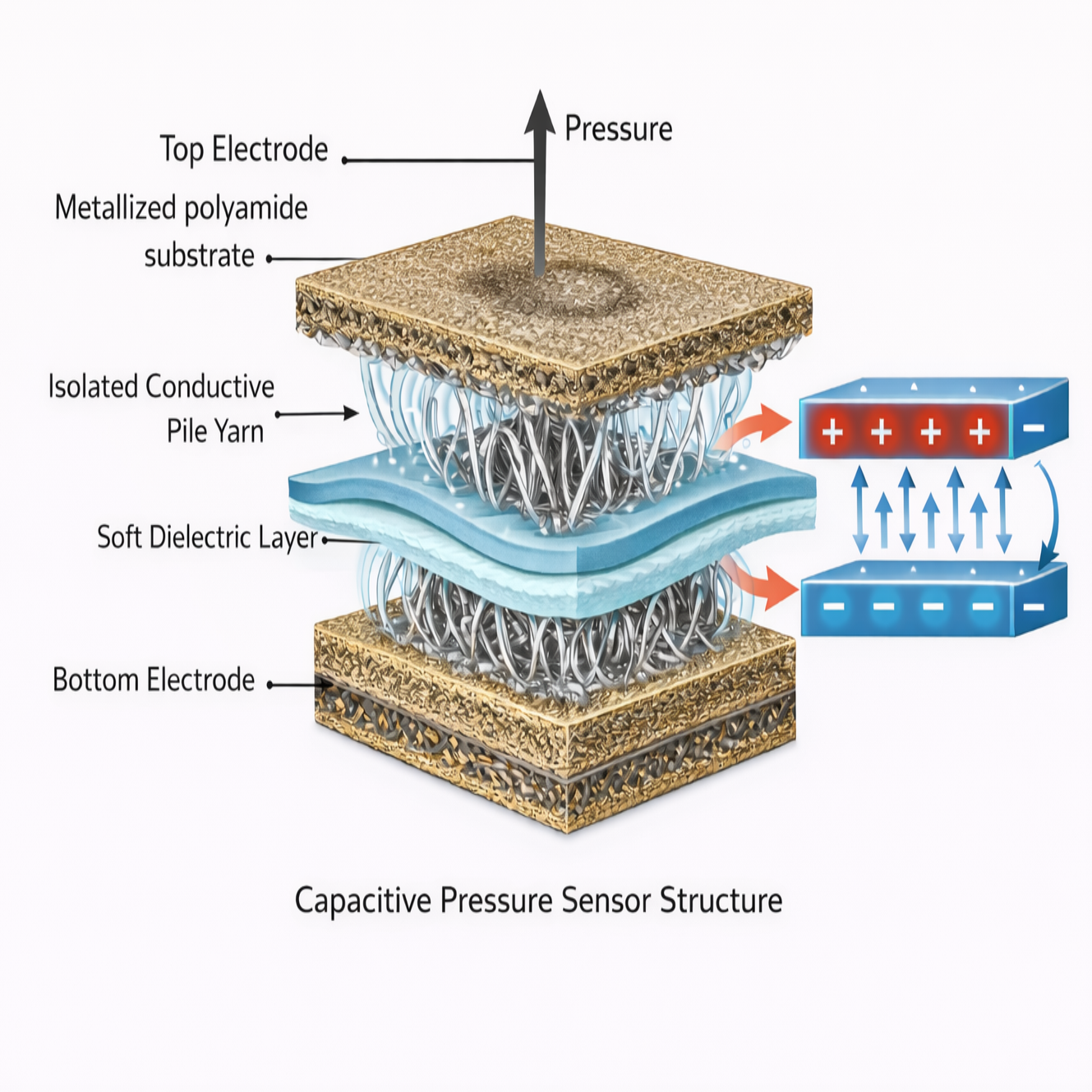
あ 静電容量式繊維センサー 柔らかい誘電体繊維層で分離された柔軟な上部と下部の導電性電極で構成されます。圧力が加えられると、電極間の距離が減少し、実効的な誘電体構造が変化し、測定可能な静電容量の変化が生じます。このファブリックベースのアーキテクチャは、曲面または動的表面での優れた適合性、安定した信号応答、および信頼性の高い圧力検知を提供します。
あ ピエゾ抵抗繊維センサー 層状の生地構造を使用して、加えられた圧力を抵抗変化に変換します。ゼブラパターンの導電性電極がカーボンベースのピエゾ抵抗ファブリックを挟み込んでいます。圧縮下では内部の接触点が増加し、抵抗が低下します。電極ラインの間隔が狭くなると、より高密度のセンシング マトリックスが生成され、ウェアラブル、ソフト ロボティクス、圧力マッピング システムの空間分解能、柔軟性、信号の安定性が向上します。
あ 静電容量式繊維センサー 柔らかい誘電体繊維層で分離された柔軟な上部と下部の導電性電極で構成されます。圧力が加えられると、電極間の距離が減少し、実効的な誘電体構造が変化し、測定可能な静電容量の変化が生じます。このファブリックベースのアーキテクチャは、曲面または動的表面での優れた適合性、安定した信号応答、および信頼性の高い圧力検知を提供します。
すべてのセンシング アプリケーションには固有の技術要件が伴います
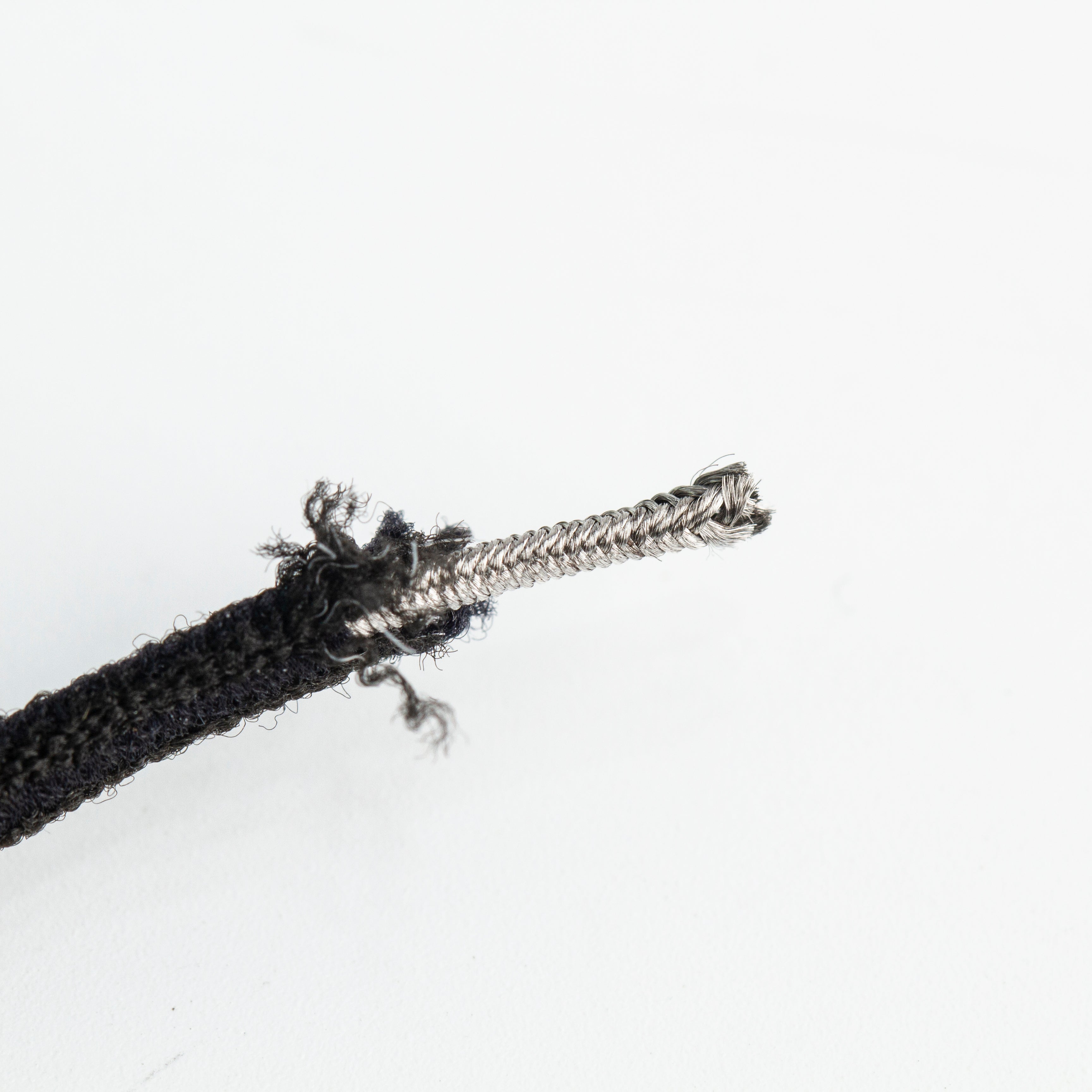
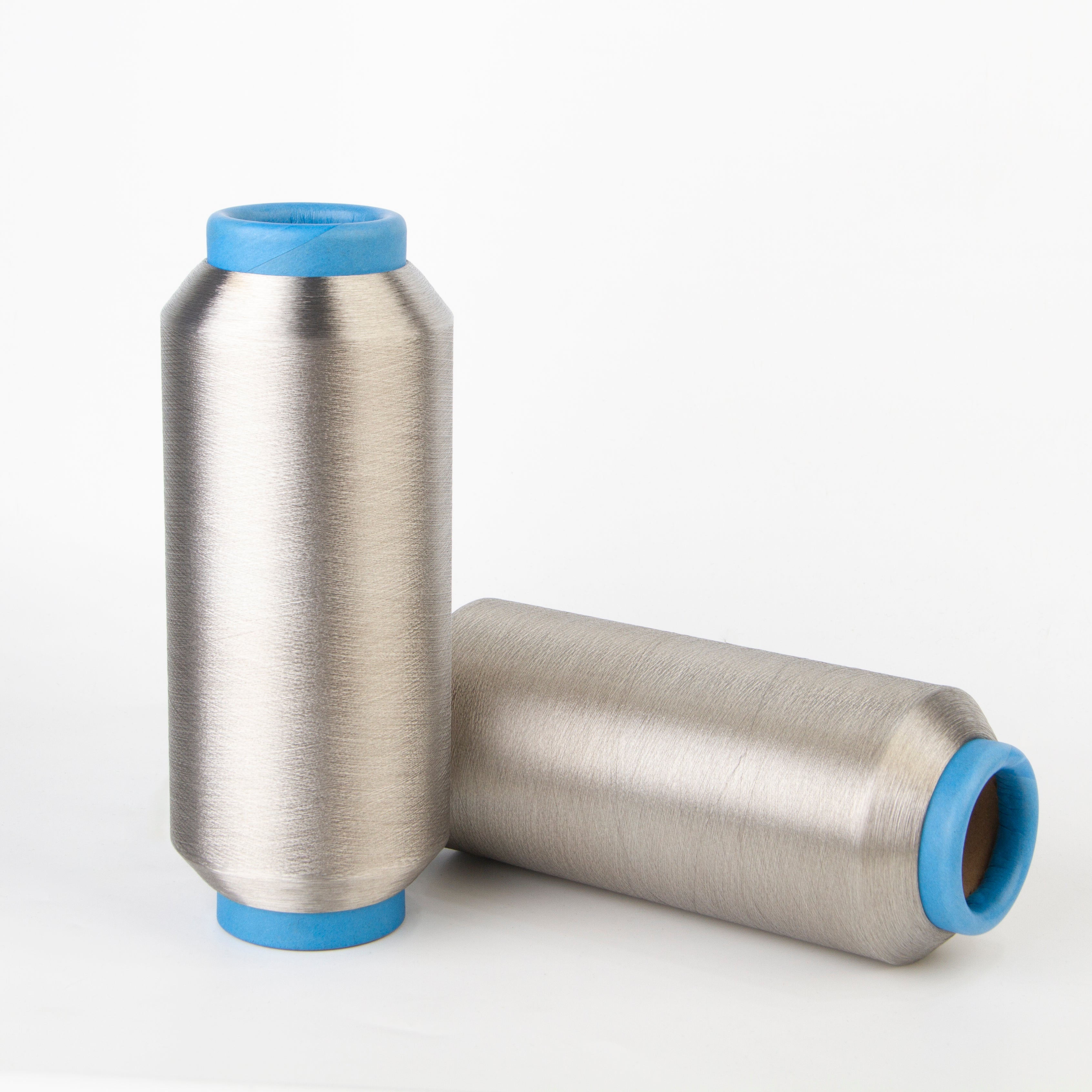
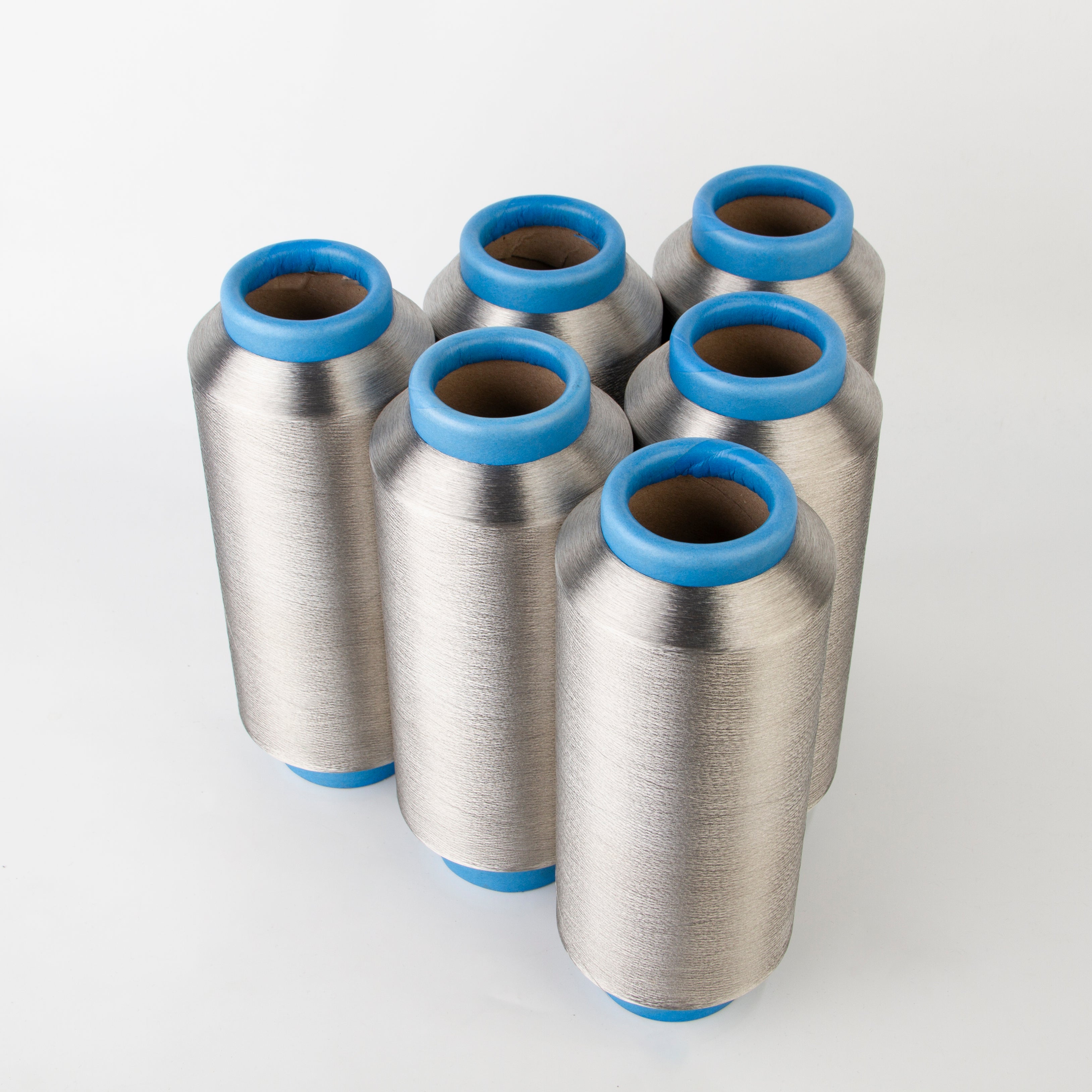
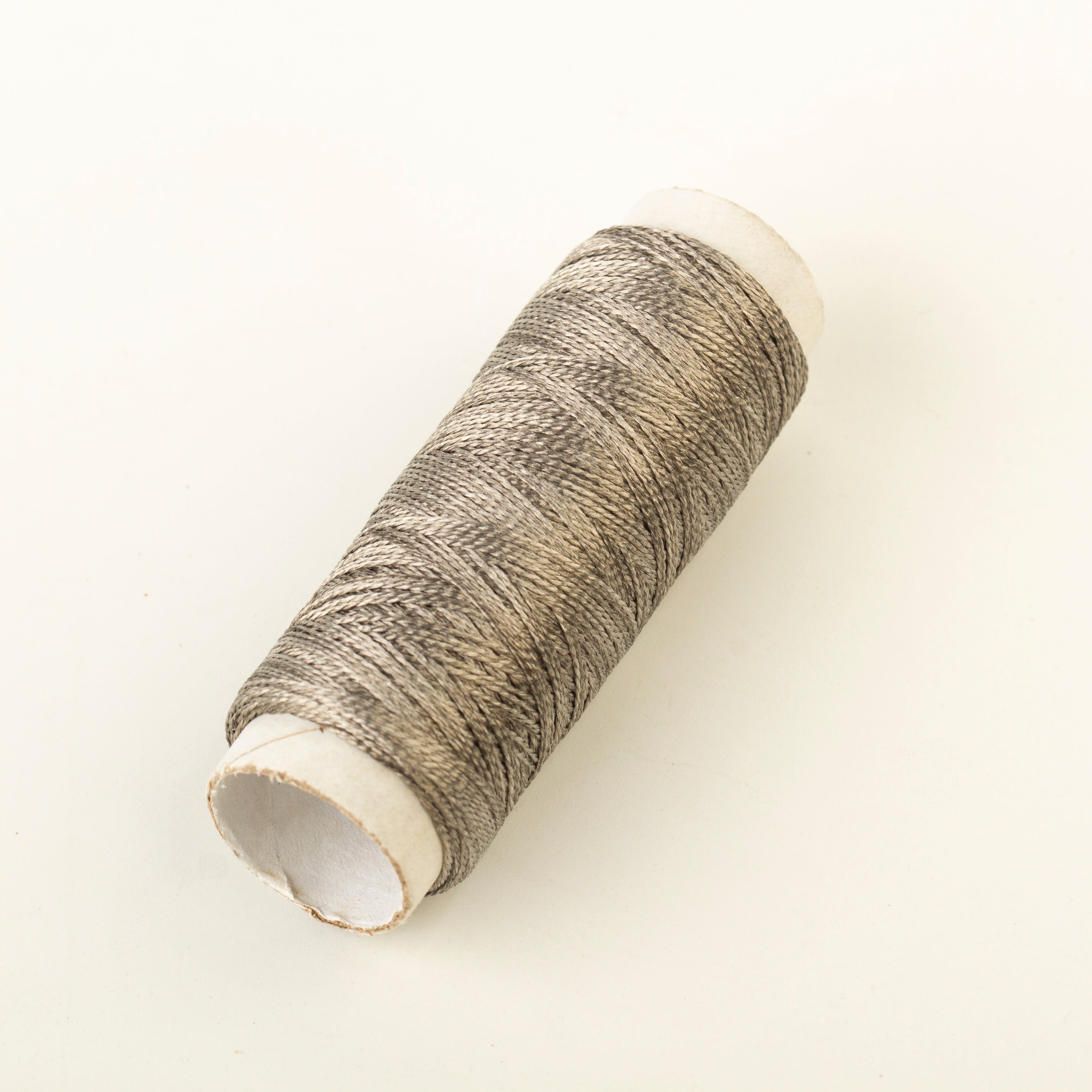
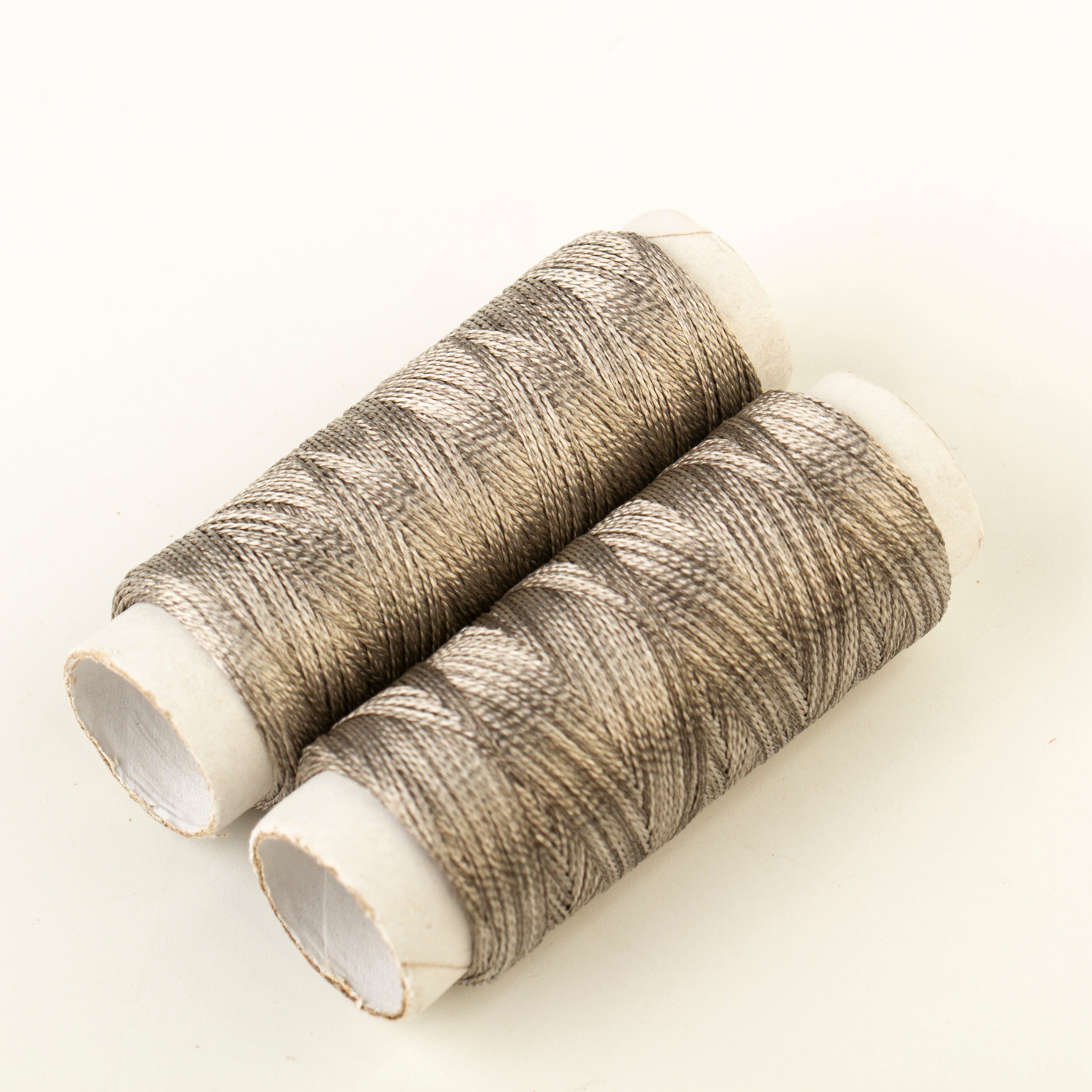
当社は、電極レイアウト、パターン形状、導電性繊維構造にわたる柔軟なカスタマイズ サービスを提供します。銀ベースの材料に加えて、さまざまな性能、耐久性、コスト目標を満たすために、ステンレス鋼やその他の合金ベースの導電性繊維などの代替導電性オプションも提供しています。
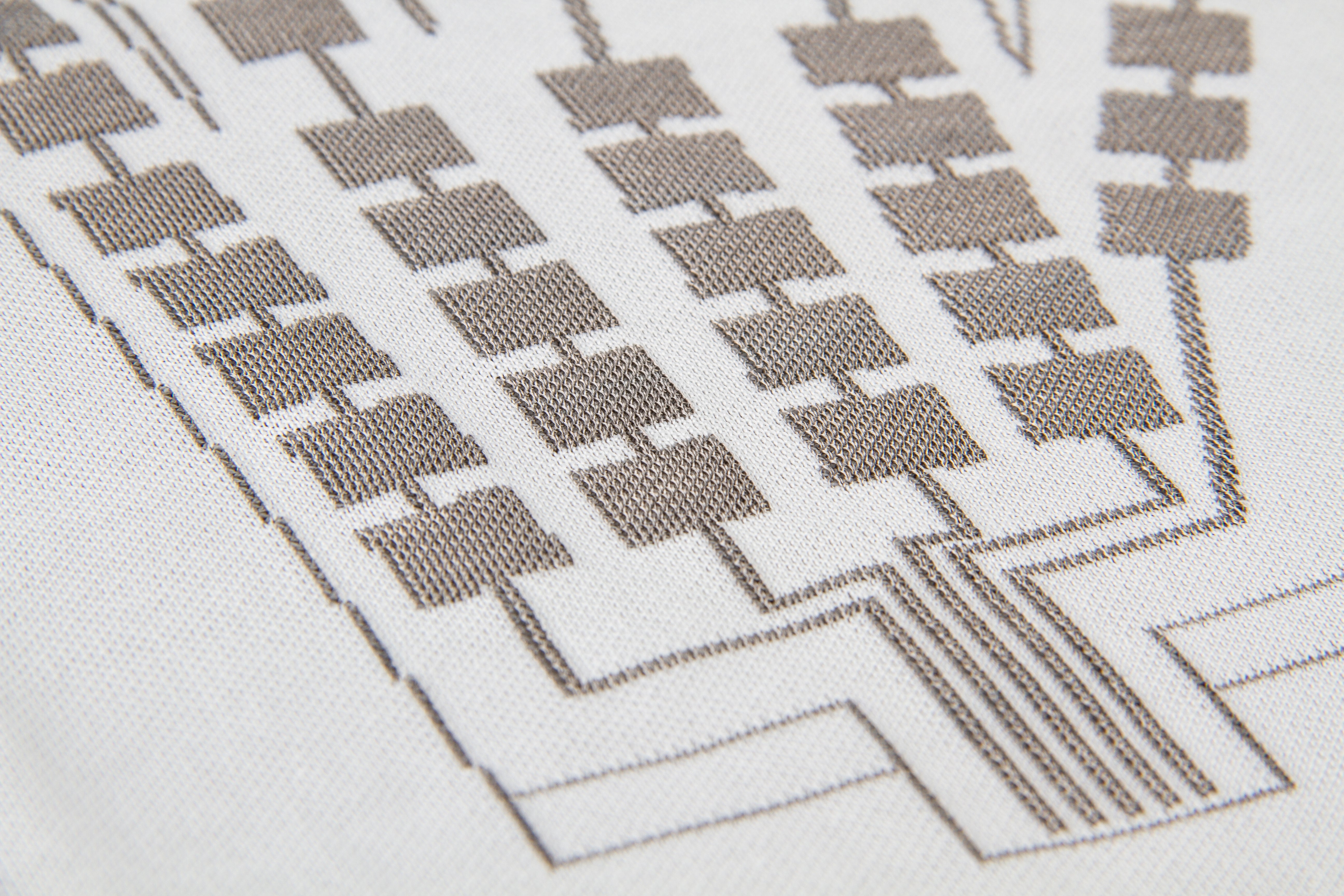
マトリックスレイアウト
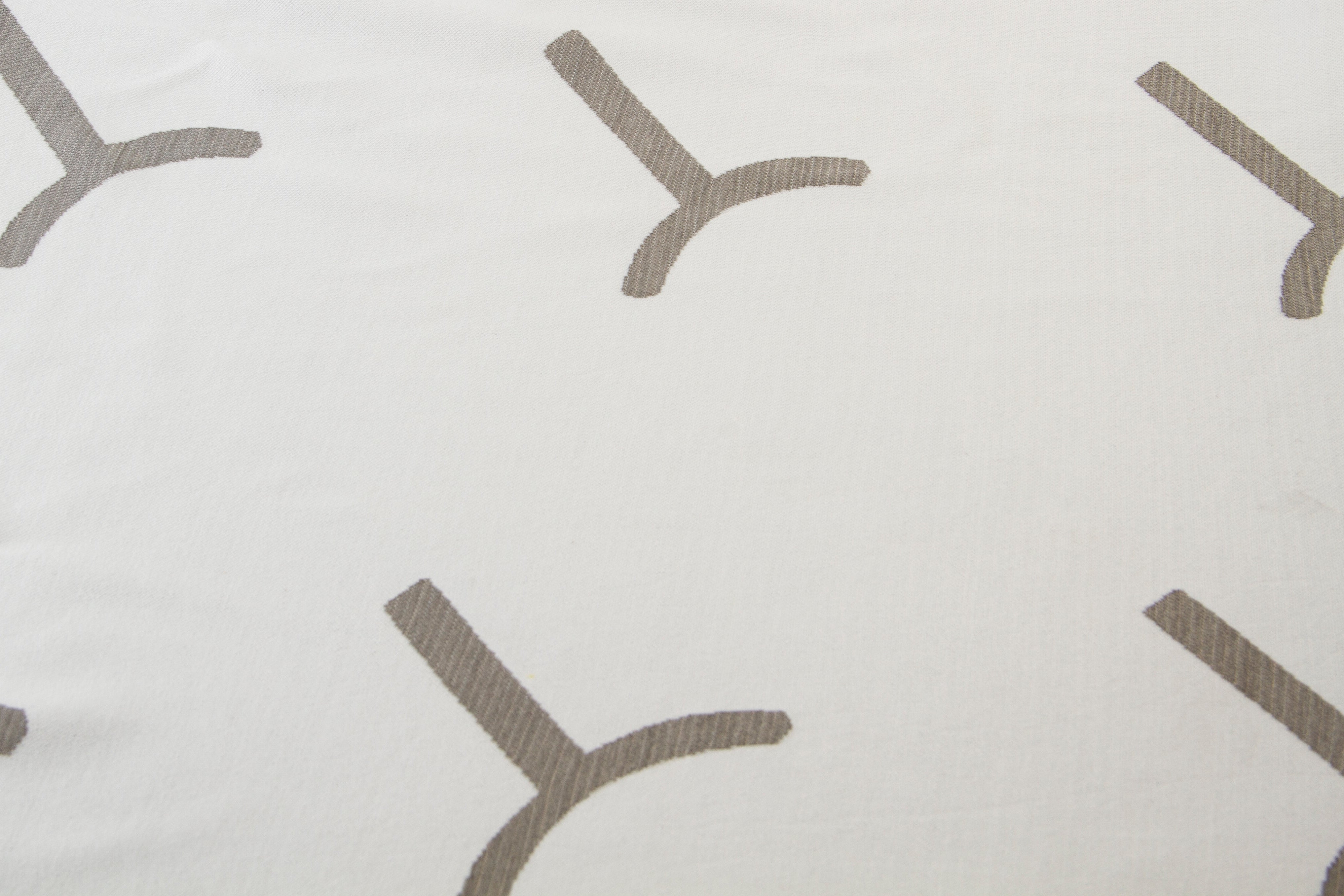
柔軟なトレース
高密度パターン
よくある質問
生地は長期間の疲労、折り曲げ、摩耗の後でも導電性を維持しますか?
はい。導電性ネットワークは糸または織物の構造に組み込まれているため、亀裂や層間剥離が起こりにくくなります。薄膜や PCB トレースとは異なり、繊維構造は多くの繊維に機械的応力を分散させるため、広範囲にわたる折り曲げ、摩擦、または機械的疲労の後でも安定した導電性を実現します。
湿度、温度、汗は表面抵抗と信号の一貫性にどのような影響を与えますか?
環境への影響は素材によって異なります。カーボンベースのテキスタイルはドリフトを最小限に抑えますが、銀または銅のコーティングはより早く酸化する可能性があります。ステンレス鋼とカーボンベースのオプションは、より強力な安定性を提供し、72 時間の塩水噴霧テストに合格したものもあります。最適な選択は、お客様の性能と環境要件によって異なります。
特定のセンシングのニーズに合わせて、抵抗範囲、GSM、糸の種類、または構造において生地をカスタマイズできますか?
はい。当社は、センシング設計はそれぞれ異なり、多くのアプリケーションでは標準製品ではなくカスタマイズされたソリューションが必要であることを理解しています。当社の導電性繊維は、表面抵抗、GSM、糸組成、および生地構造を調整して、感度、応答曲線、耐久性、統合方法などの特定の性能目標を満たすことができます。
あなたも好きかもしれません