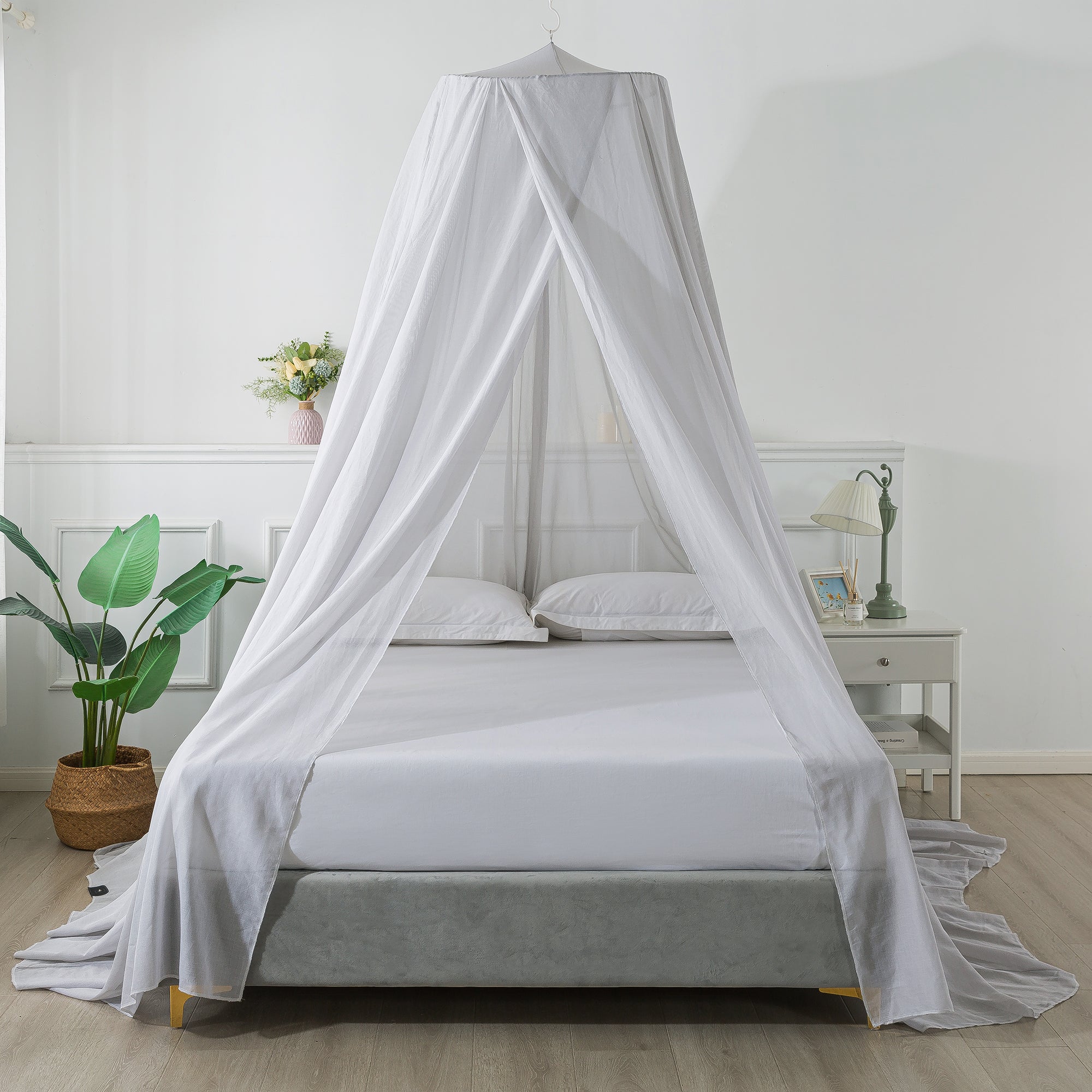
FaradayFiber · by Yunjia Textile
Metallic yarns, fabrics and finished textiles
Yarns, fabrics and finished products made with silver-plated, copper and stainless-steel fibers, for RF shielding, grounding, conductive and fencing uses.
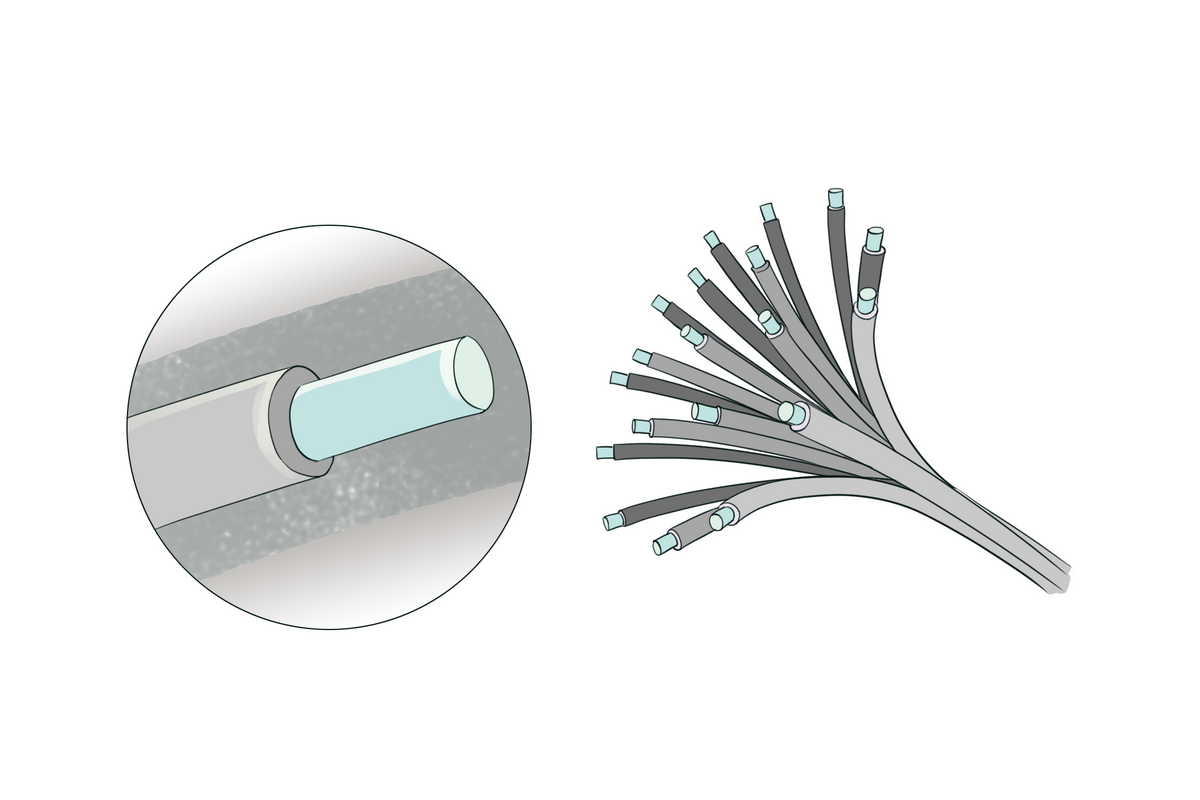
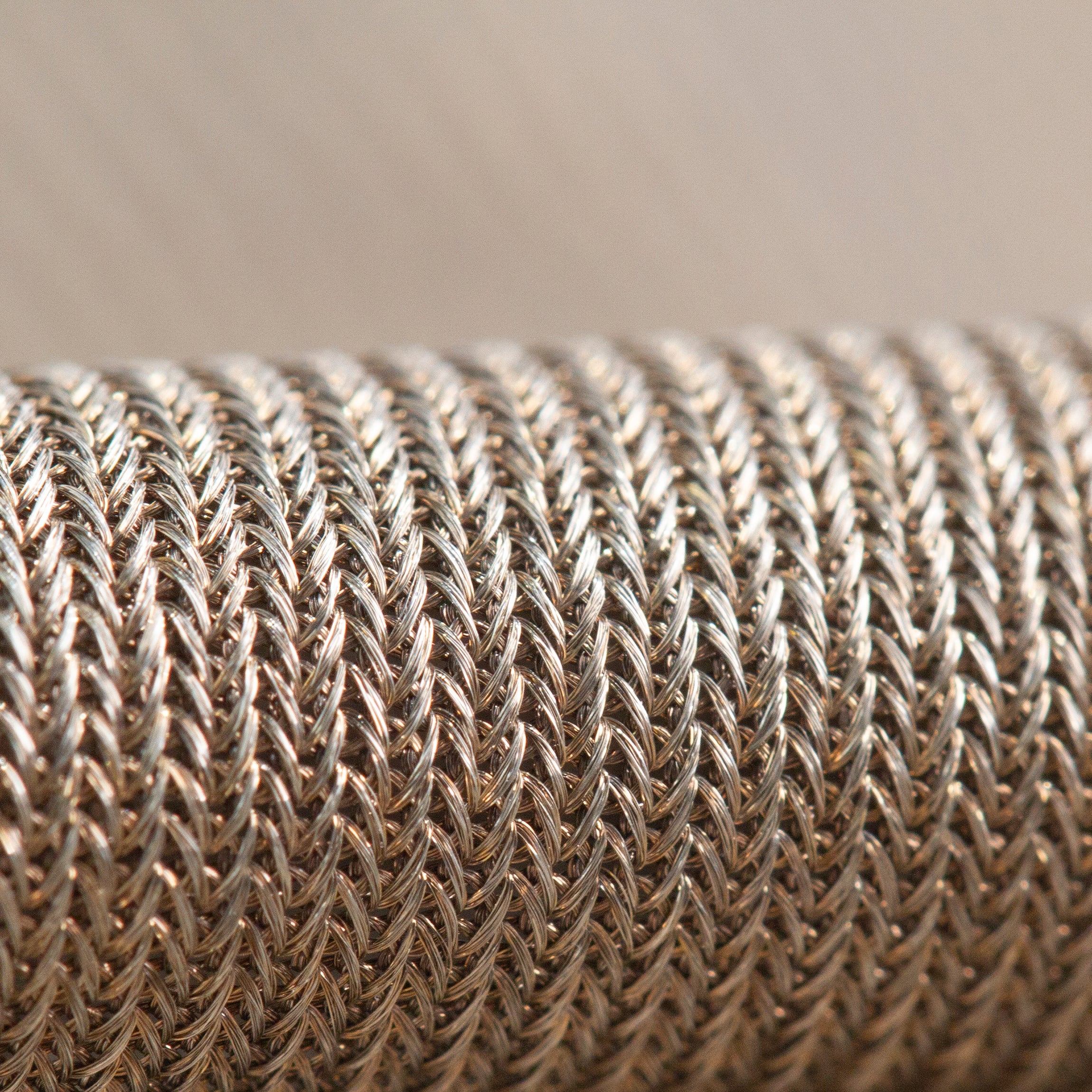
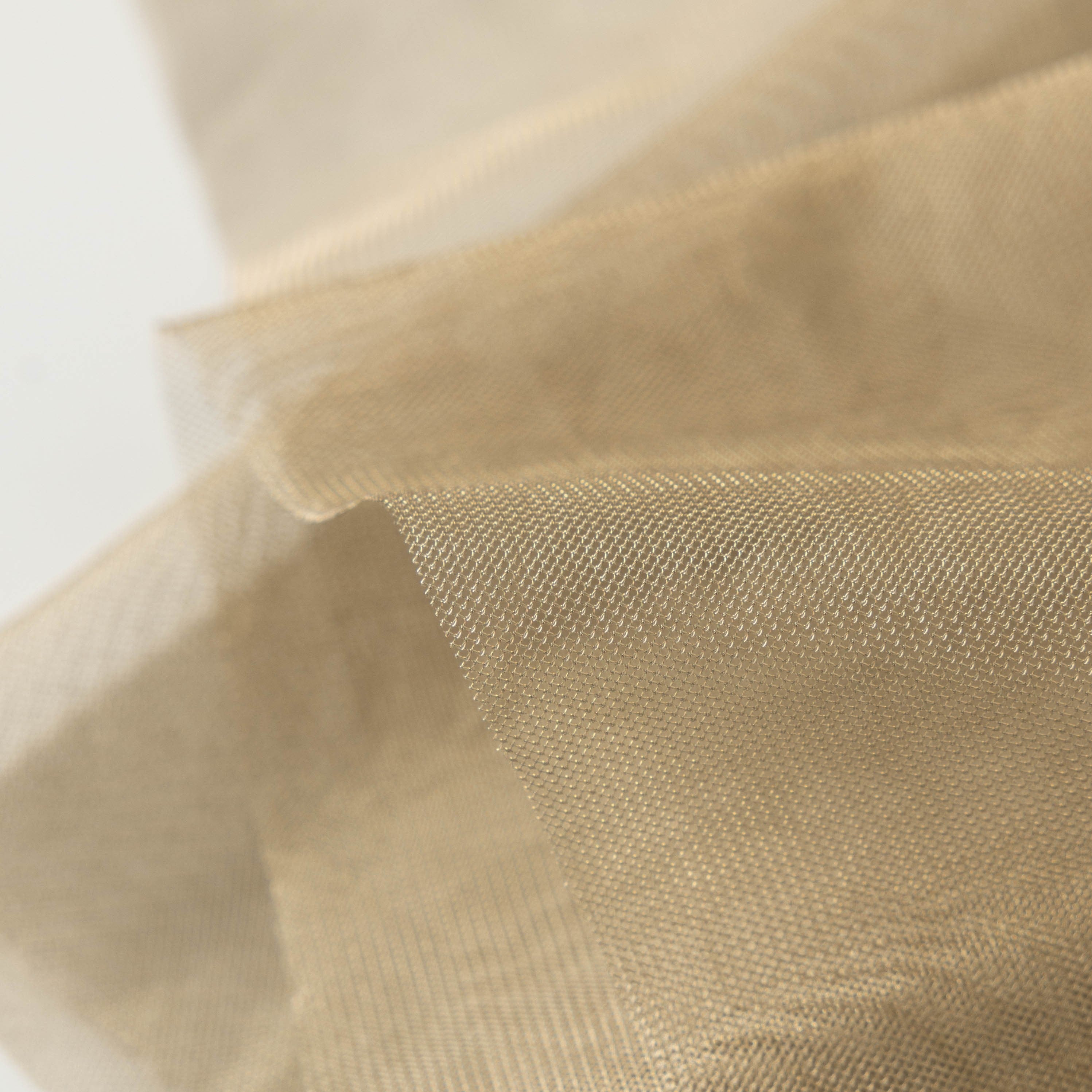
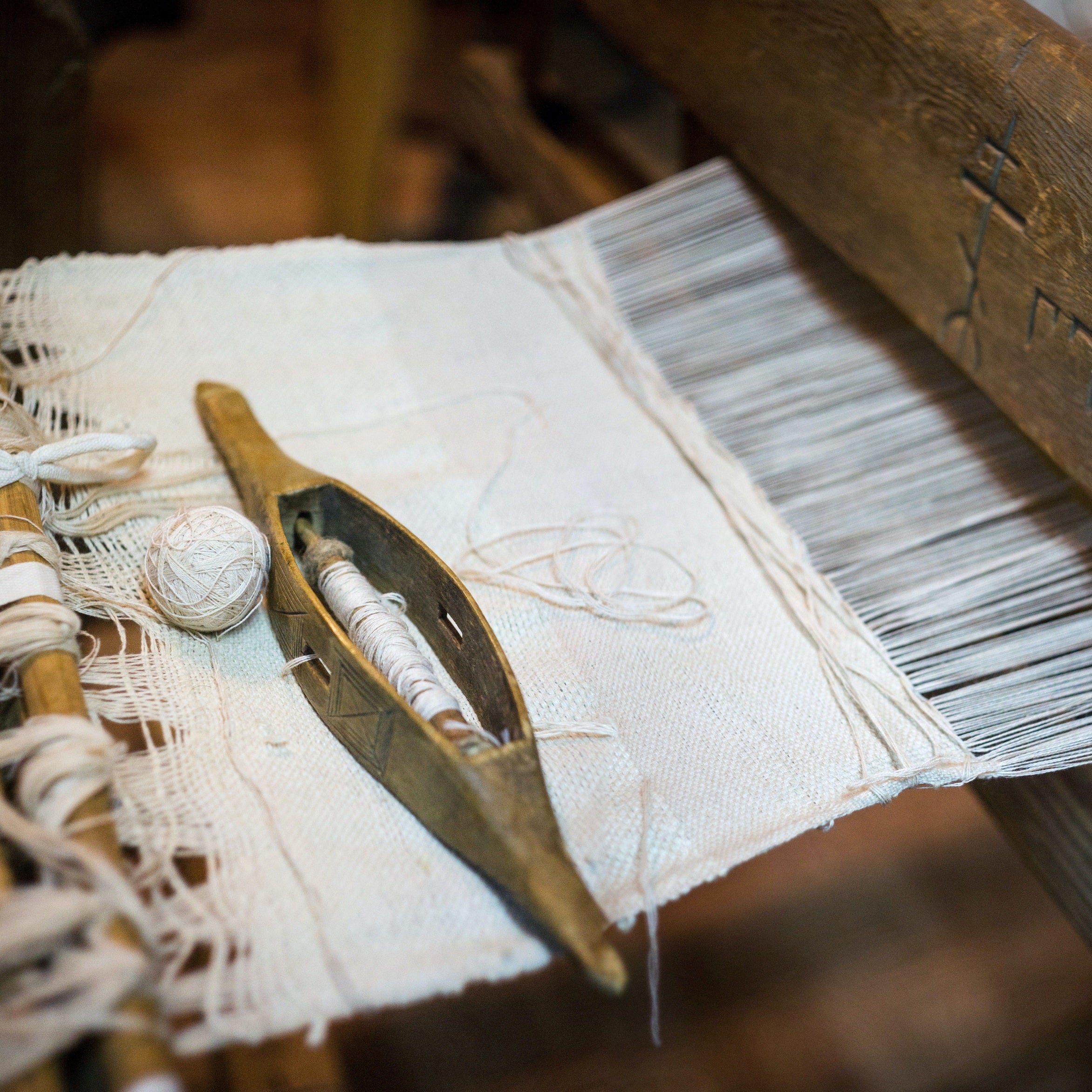
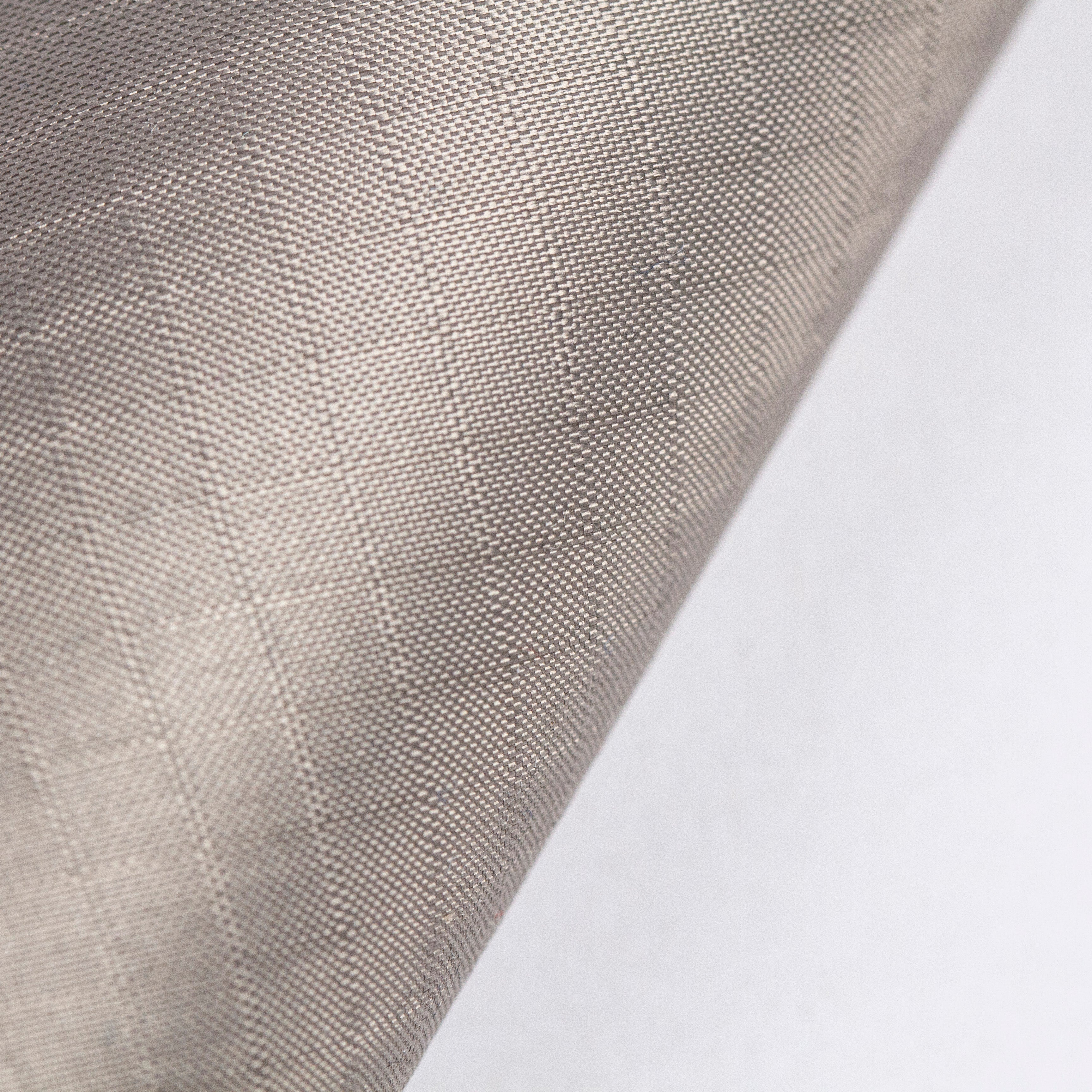
Yarn & thread
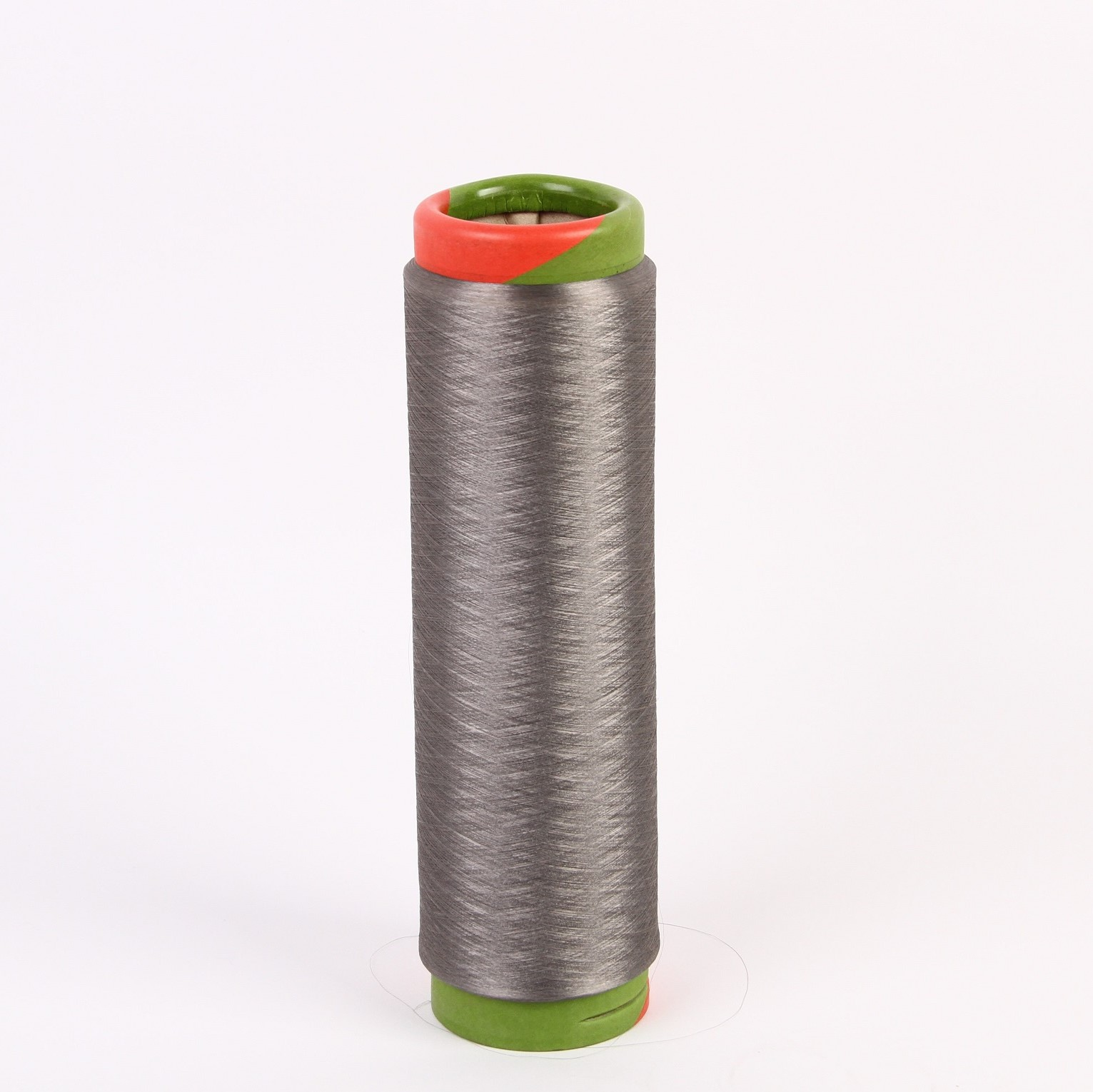

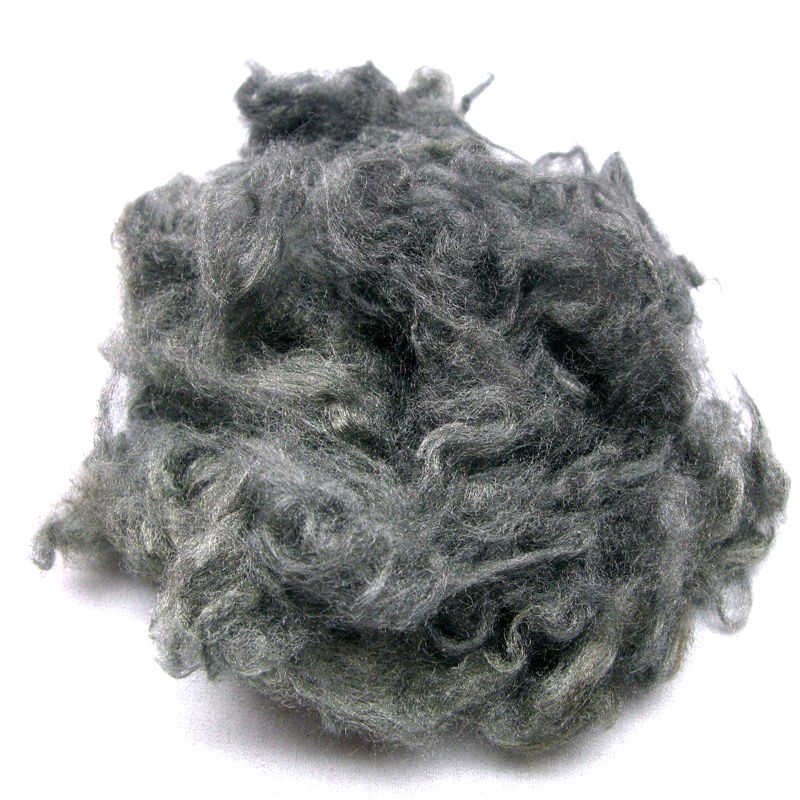
Ag #47 IB
Silver
A lustrous and ductile metal known for high electrical conductivity. Beyond its ornamental use, silver is important in electronics, solar panels, and technical instruments.
Cu #29 IB
Copper
A ductile and malleable metal recognized for its excellent electrical conductivity. Widely used in electrical wiring, electronics, and construction materials
Finished products

Featured fabrics
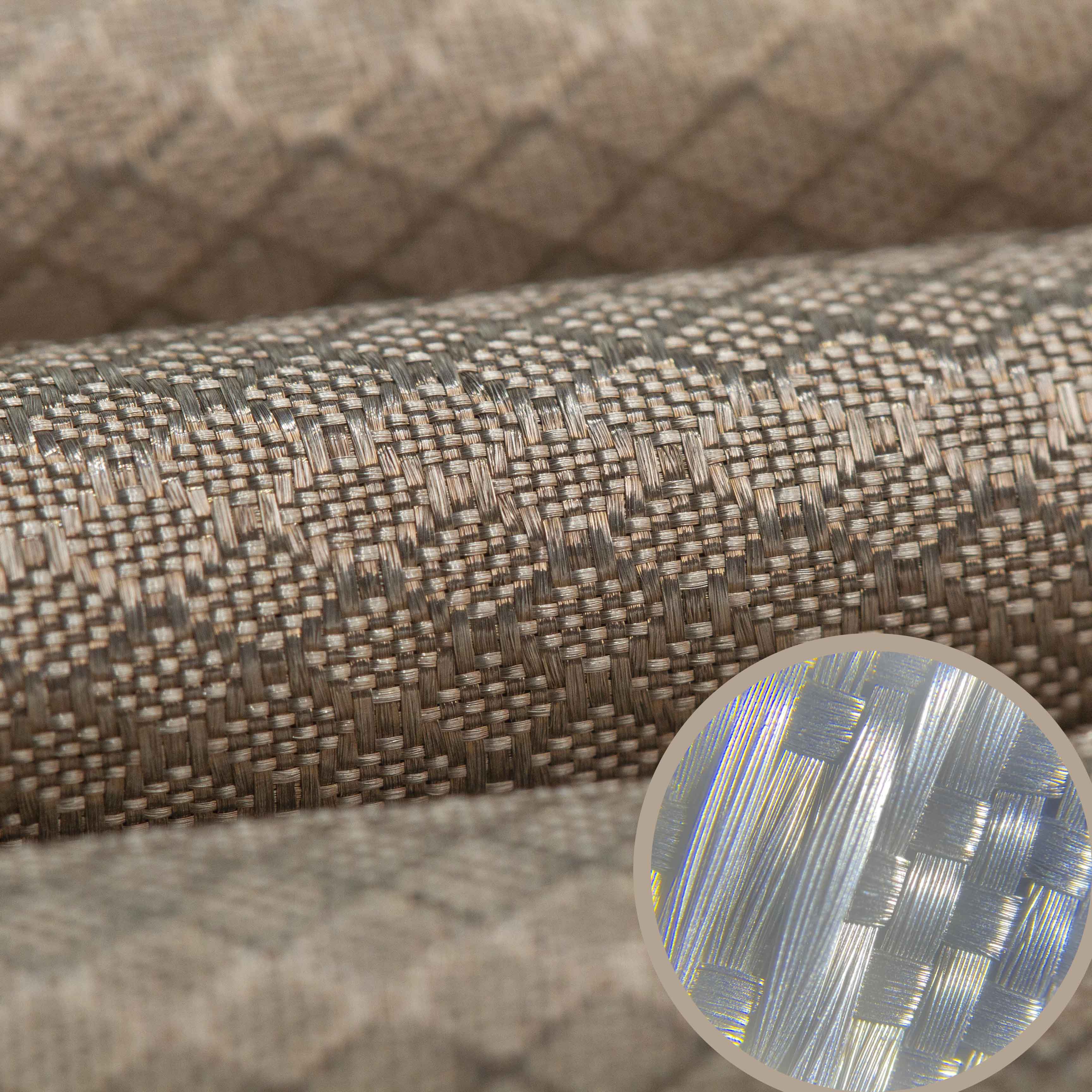
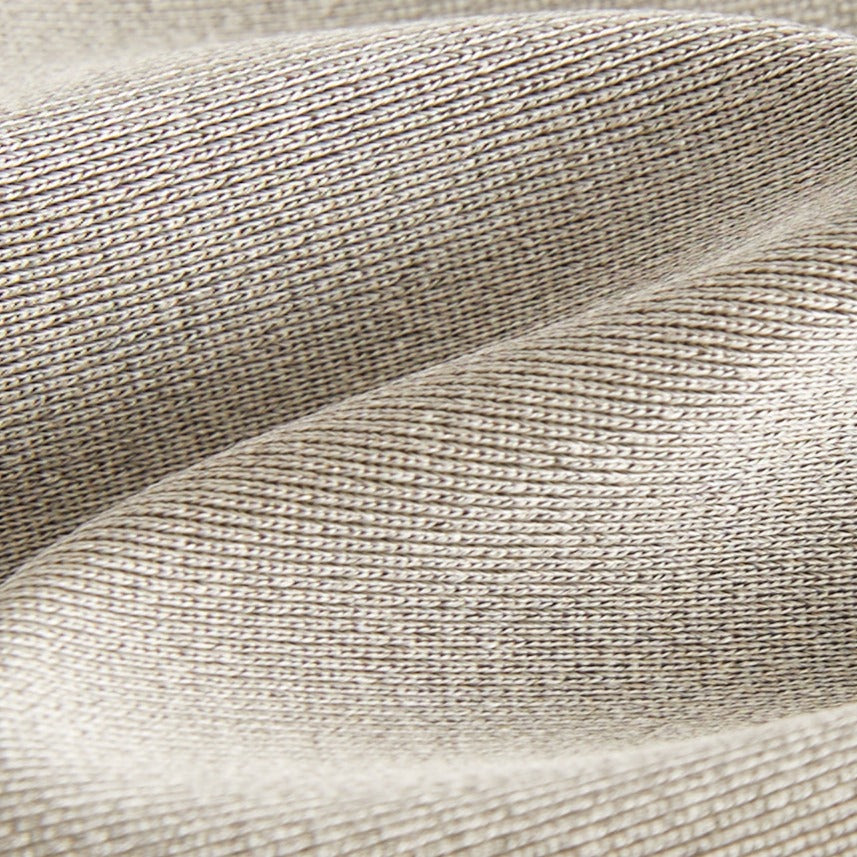
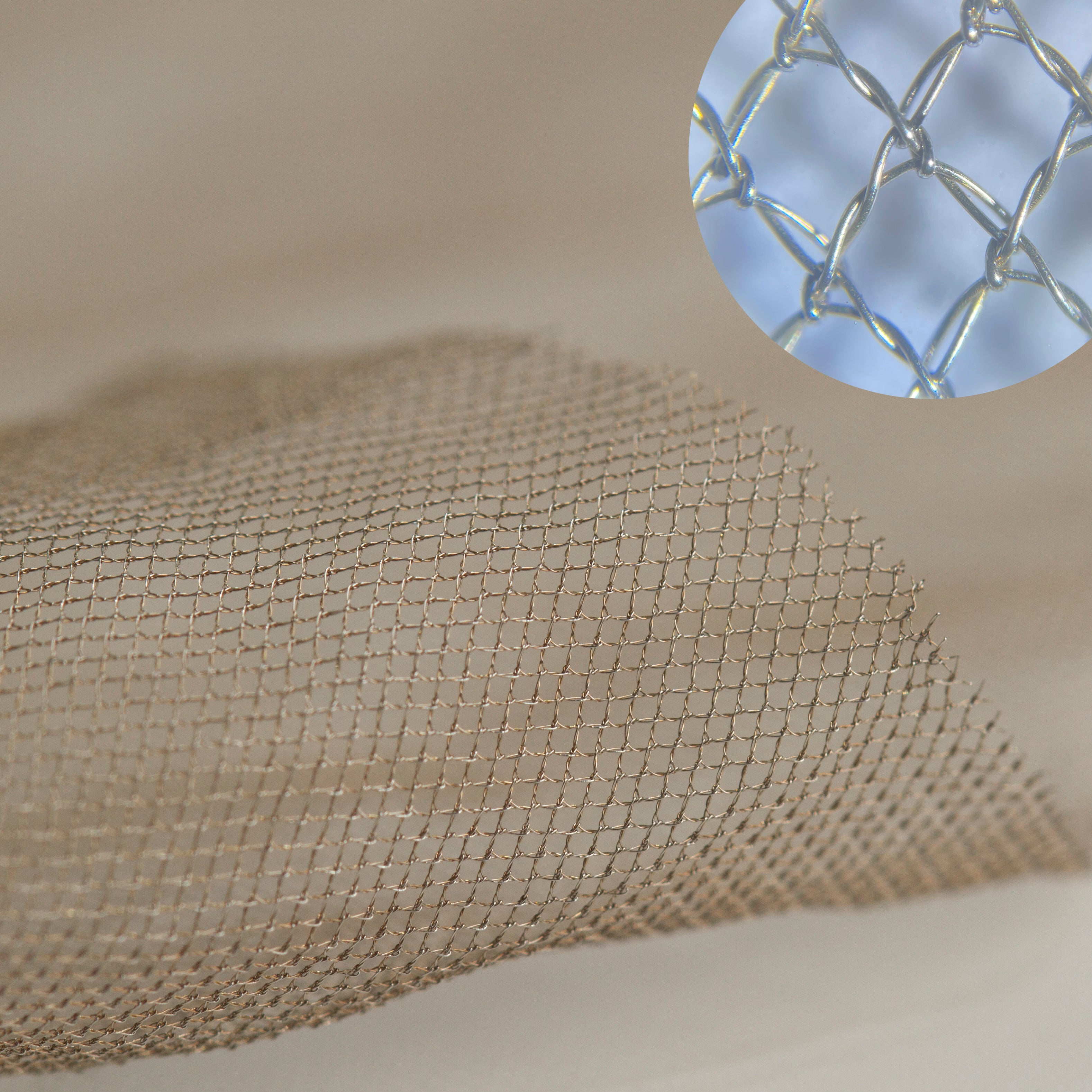
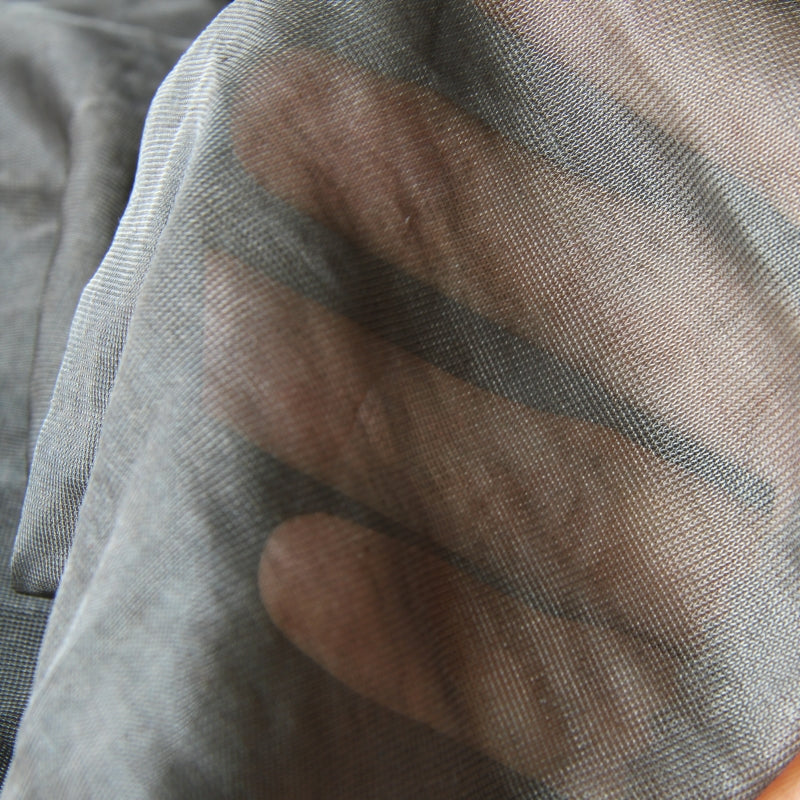
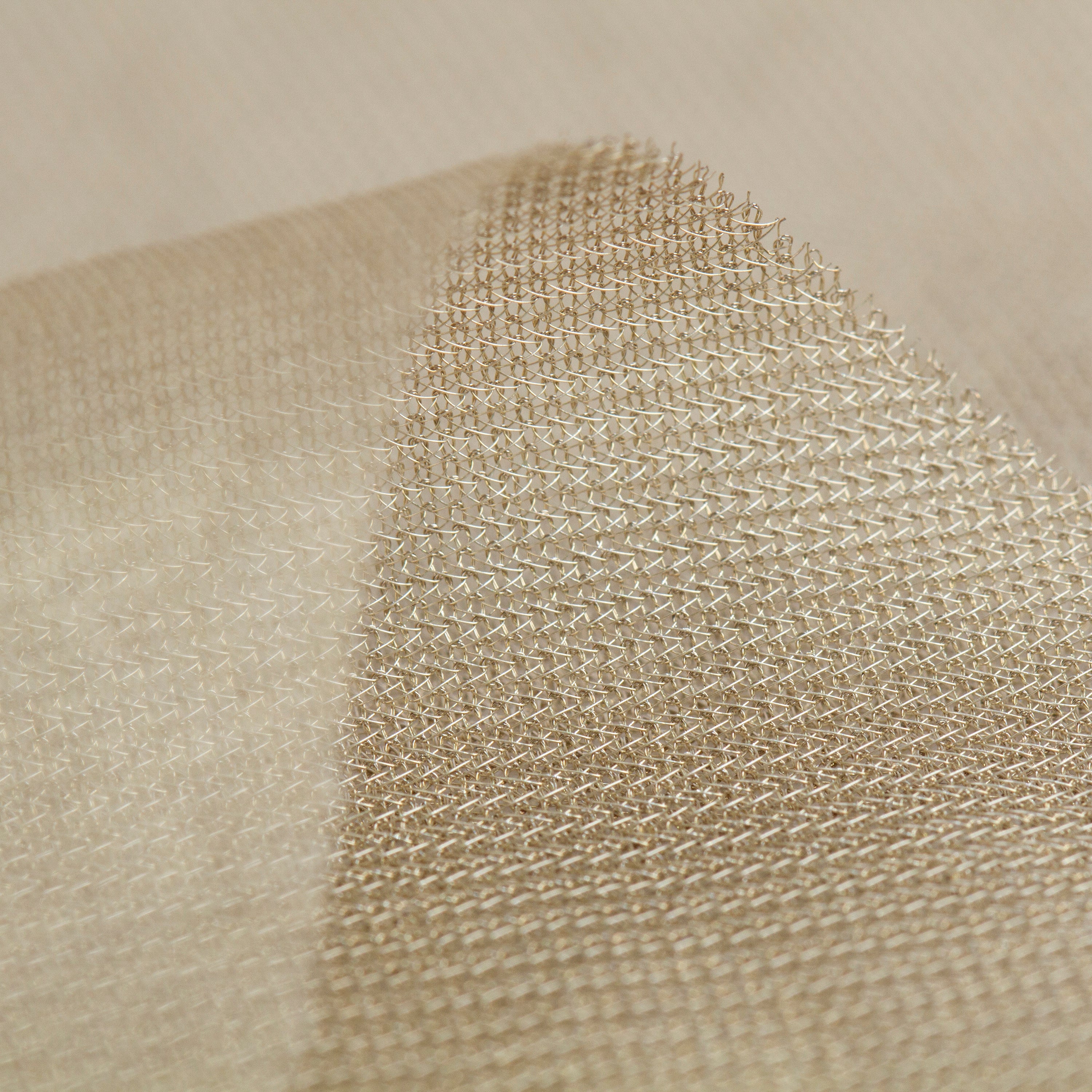
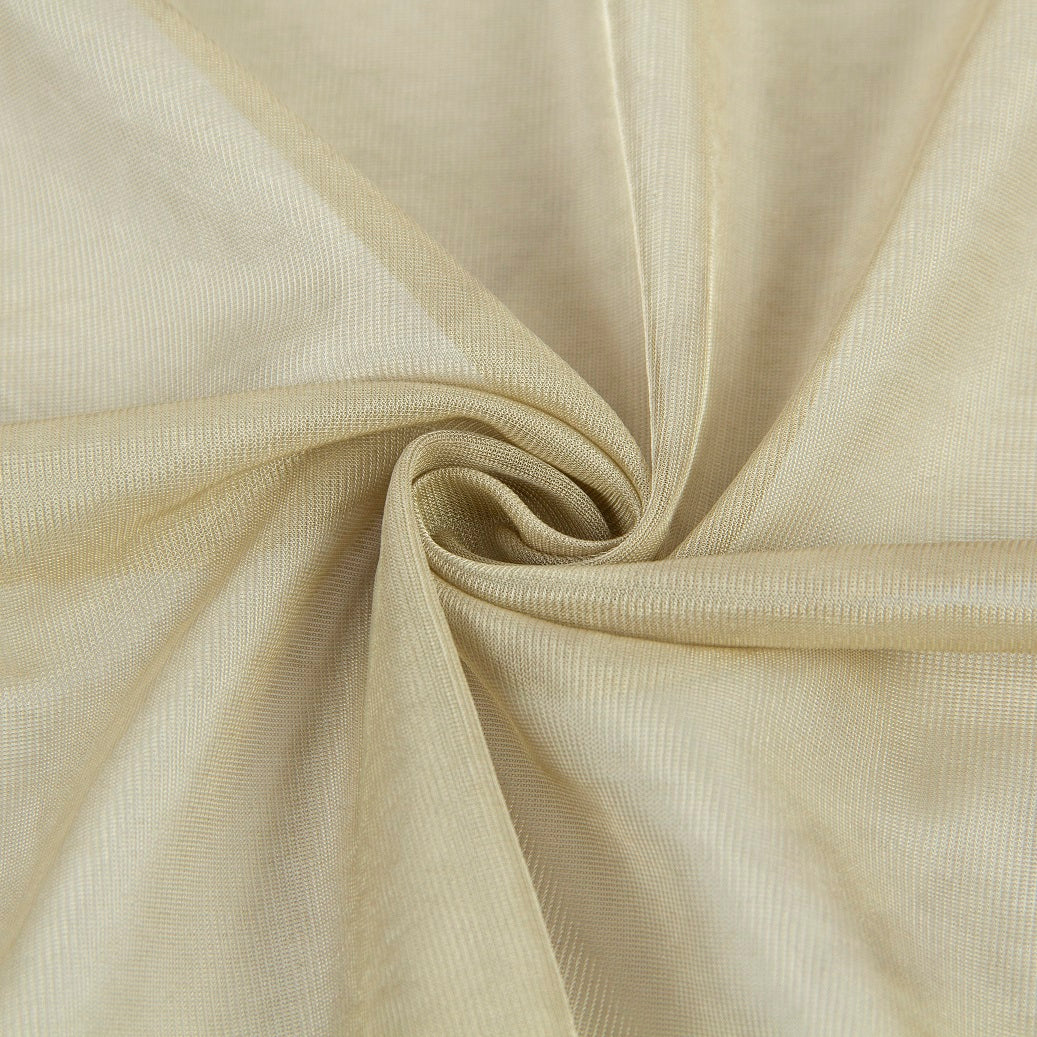
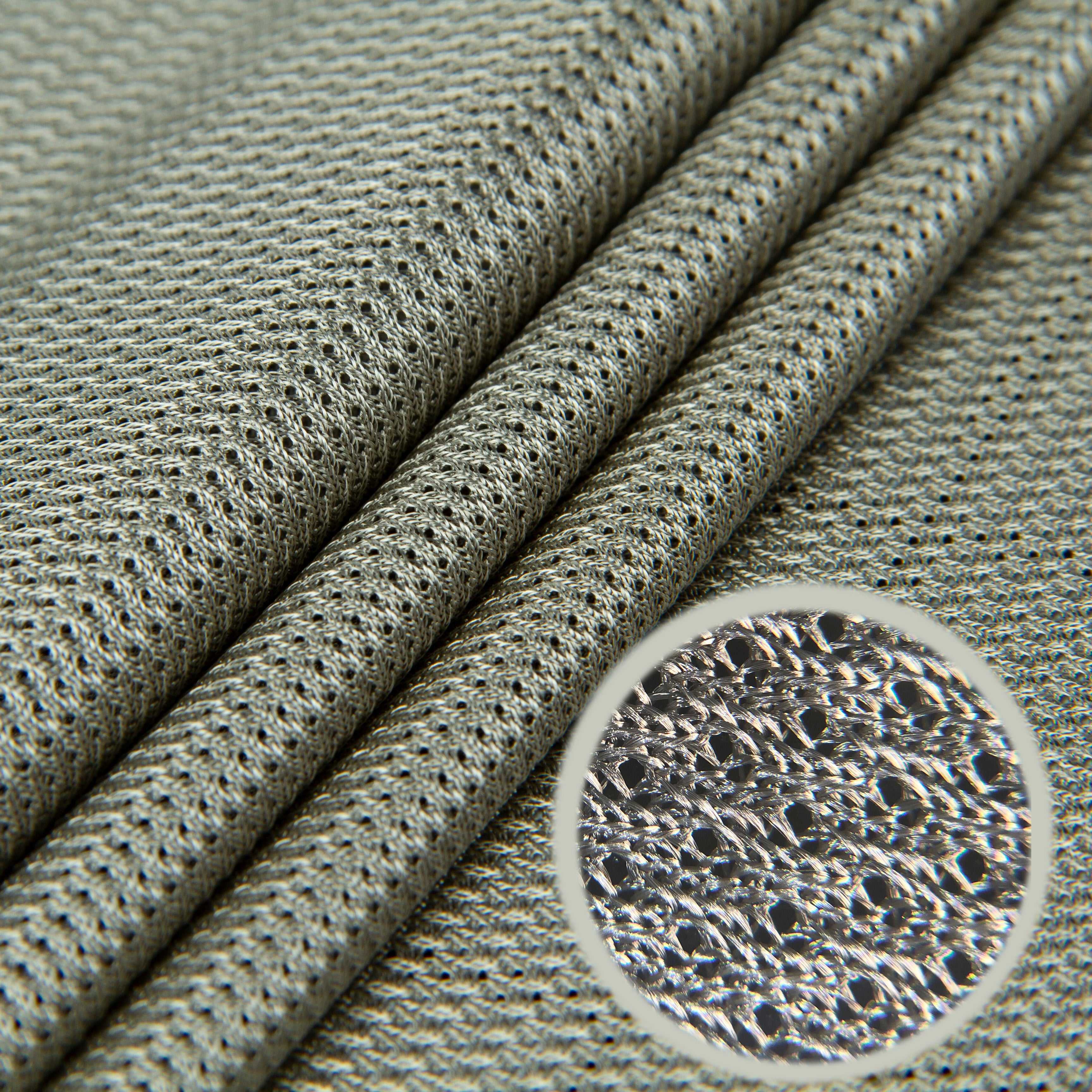
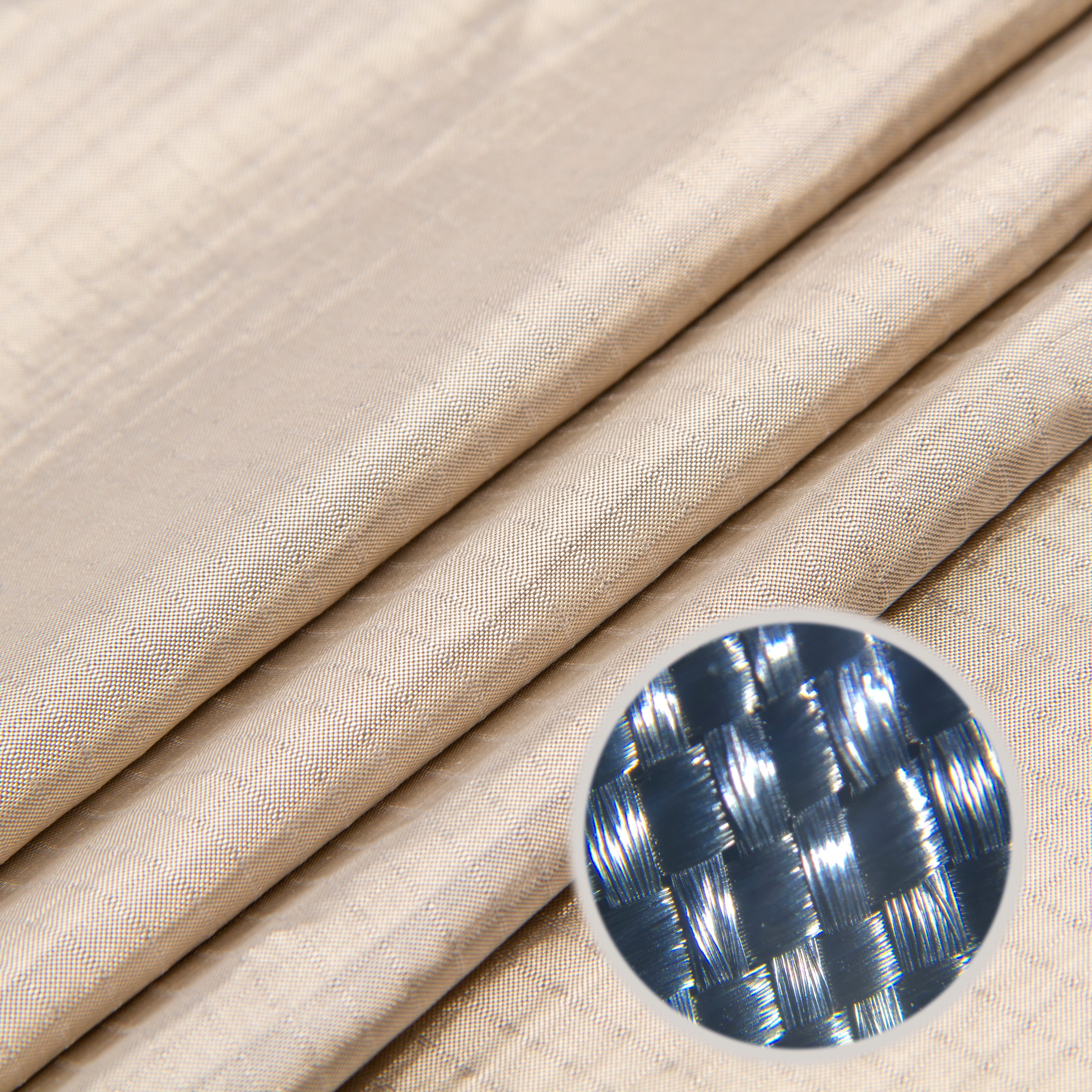
Yarn, fabric and finished textiles
If you are specifying a material or a finished product, tell us what you are building. We will help you start from the right fabric or construction.
Grounding sheets
Grounding sheets use conductive textile surfaces, connectors, and a verified ground path. Performance depends on material, construction, grounding conditions, care routine, and test method. These are technical textile products; selection should be based on setup requirements and available product data.
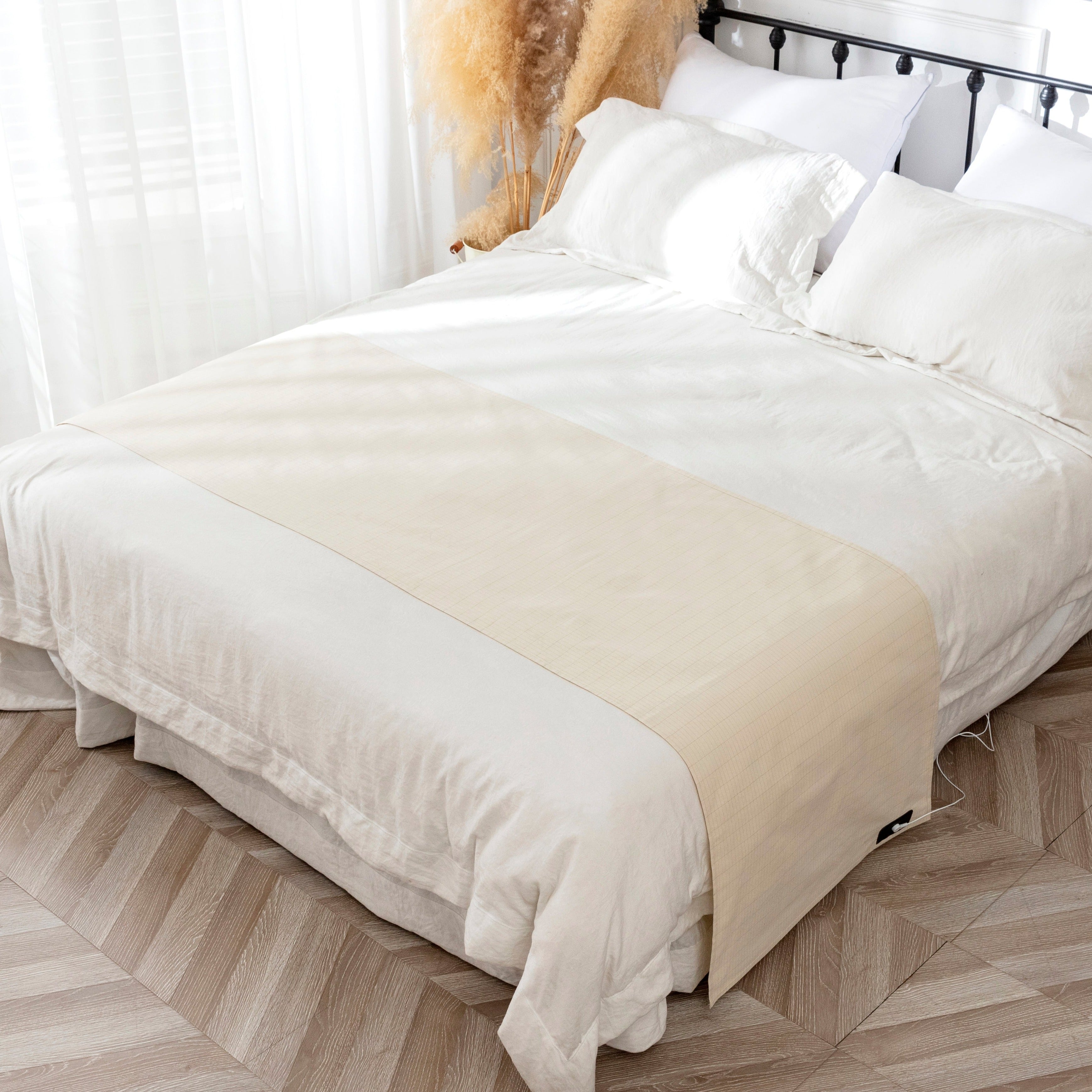
Flat Sheet

Fitted Sheet
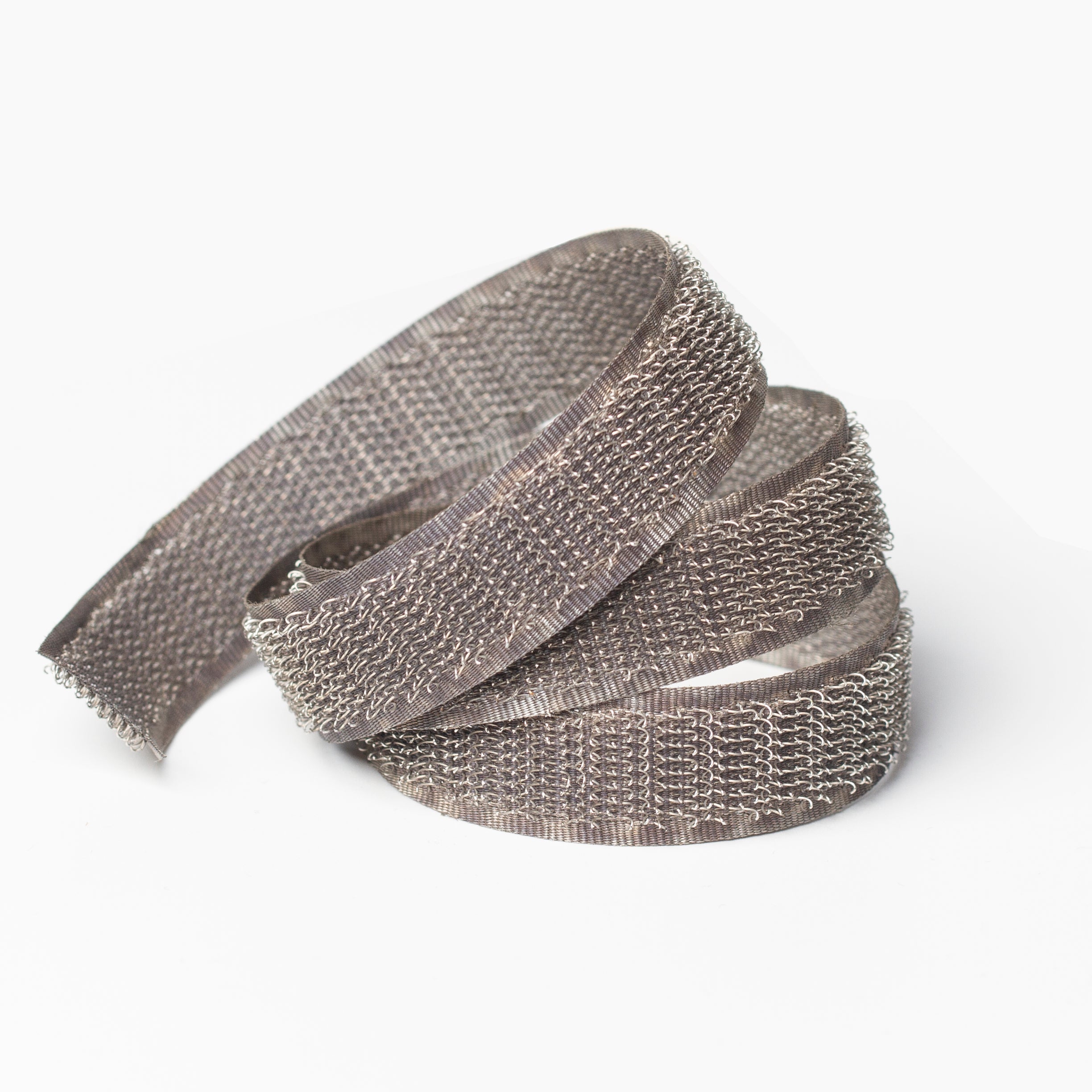
The silver-plated conductive surface supports electrical contact when the fastener is integrated into a properly constructed assembly. Overall shielding continuity depends on surrounding materials, seam contact, installation, coverage, frequency, and test method.
Commonly used as a fastener or connection point in EMC and smart-textile applications.
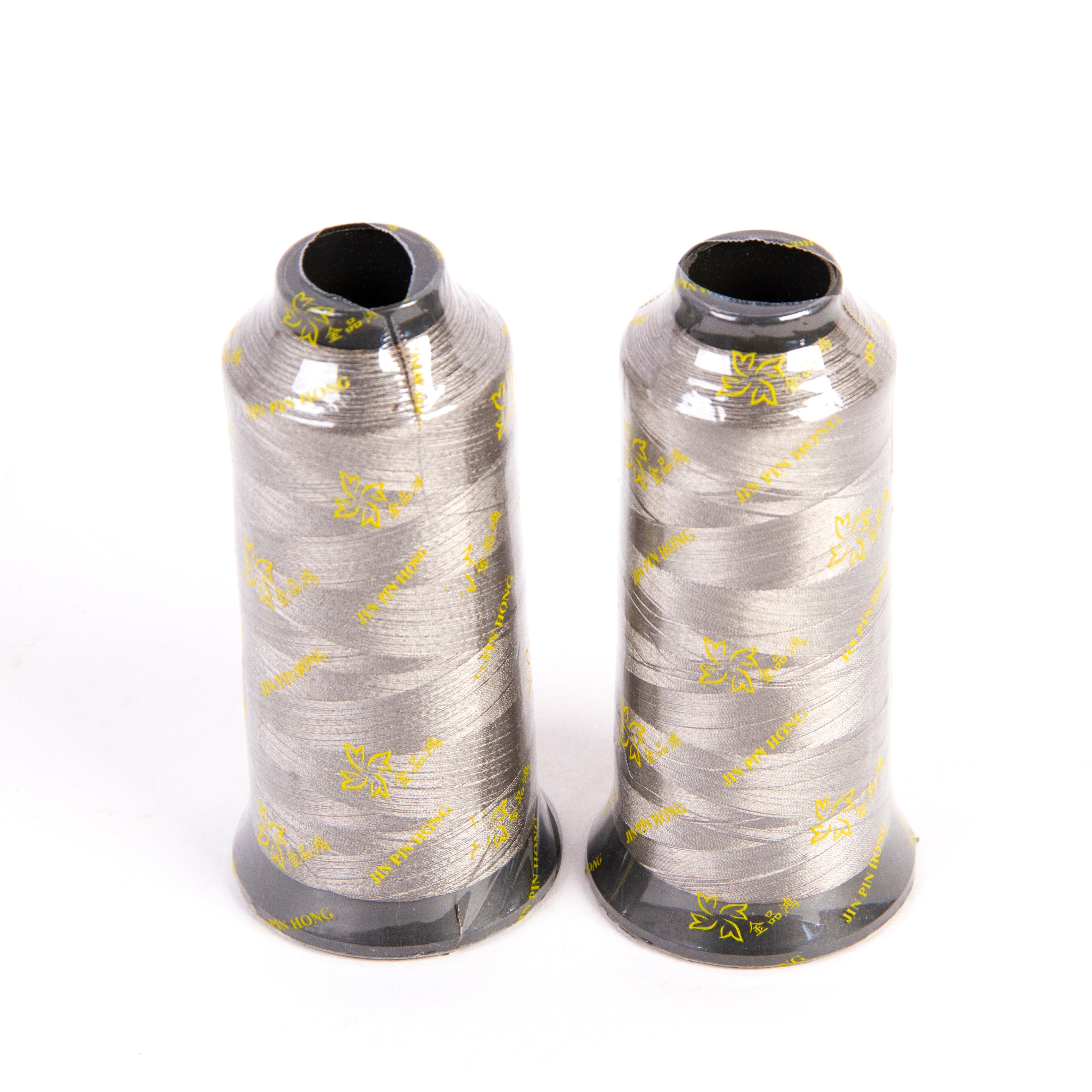
DISCOVERA fully silver-plated polyamide thread with a resistance of less than 300 Ohm/m. The resistance can be adjusted using conductive bobbin thread or altering the stitch patterns. Conductivity remains unaffected by product oxidation or color changes. It is suitable for both embroidery and sewing applications.
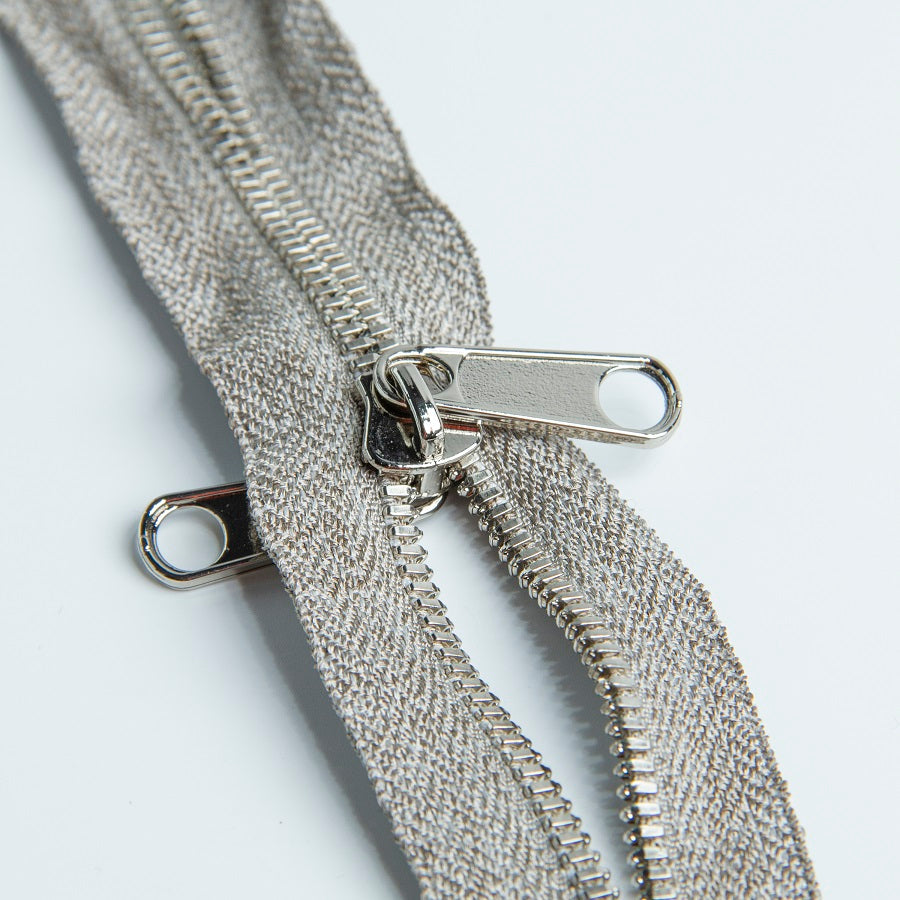
DISCOVERThe silver-plated conductive surface supports electrical contact when the component is integrated into a properly constructed assembly. Overall shielding continuity depends on surrounding materials, connection quality, installation, coverage, frequency, and test method.
Commonly used for closures and conductive connections in EMC tents and smart textiles, including open-and-close controls for integrated sensors.
DISCOVERFAQ
We recognize that the metallic textile industry is relatively niche, and much of the necessary information is not readily available online. We are eager to assist those seeking professional and informative support in this field. Please contact us with questions about metallic textiles or EMF/RF shielding material solutions.
How is shielding performance measured?
Shielding effectiveness is reported in decibels (dB) for a specific sample, frequency range and test method. A fabric result describes the fabric. A finished tent or garment needs its own test.
Which test standards are commonly used?
The appropriate test standard depends on the sample and how the material or finished product is used.
Can you develop a custom material?
Tell us what you are building, including the end use and any test method you need to meet, and we will suggest a starting point.
What is the difference between shielding, grounding and conductive textiles?
They use similar materials for different jobs. Shielding needs a continuous conductive layer around a space. Grounding needs a conductive surface connected to a verified ground. Conductive textiles carry current or signal in a circuit.