Natural silver behavior
Humidity, air quality, sulfur-containing compounds, handling and storage conditions can all affect how quickly visible patina develops.
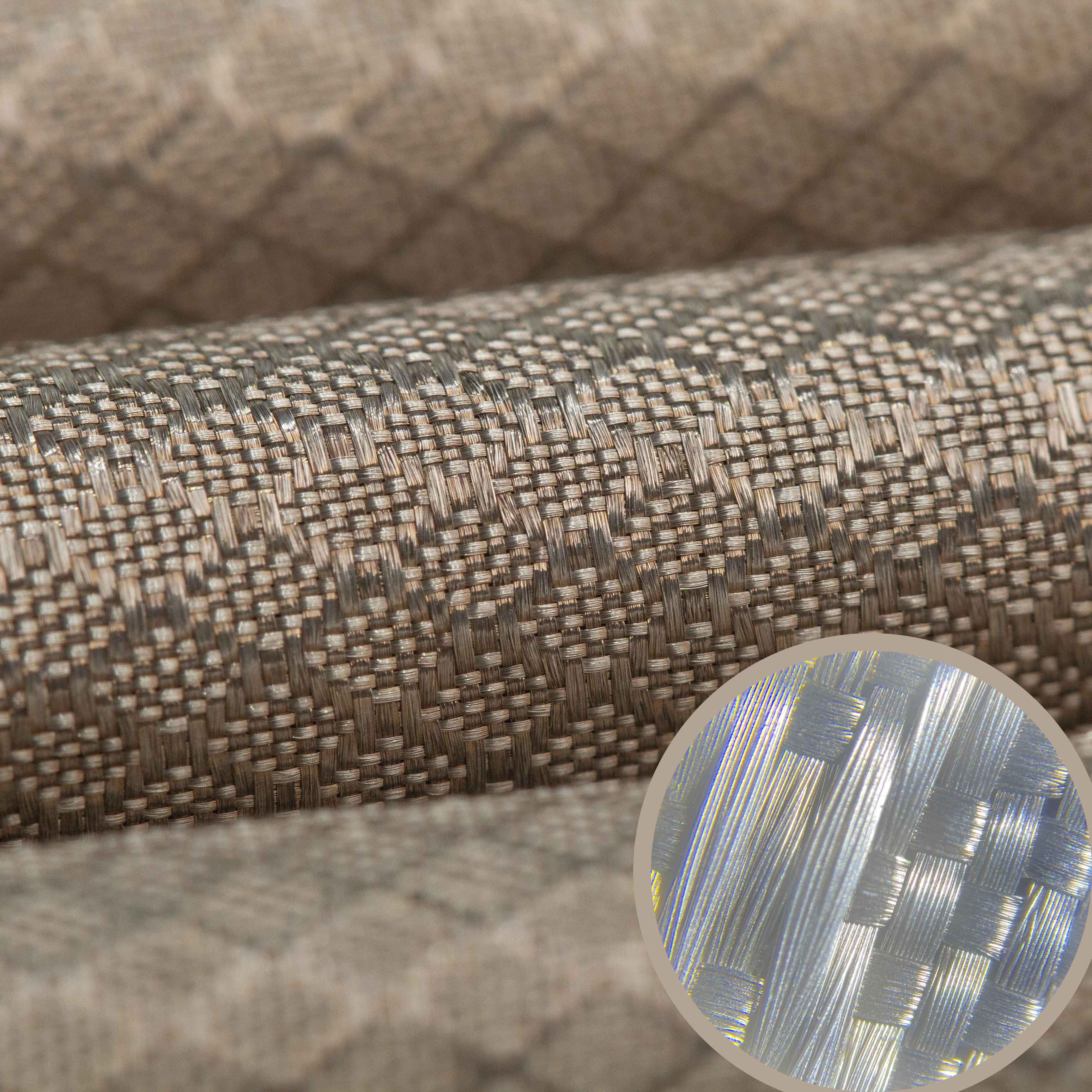
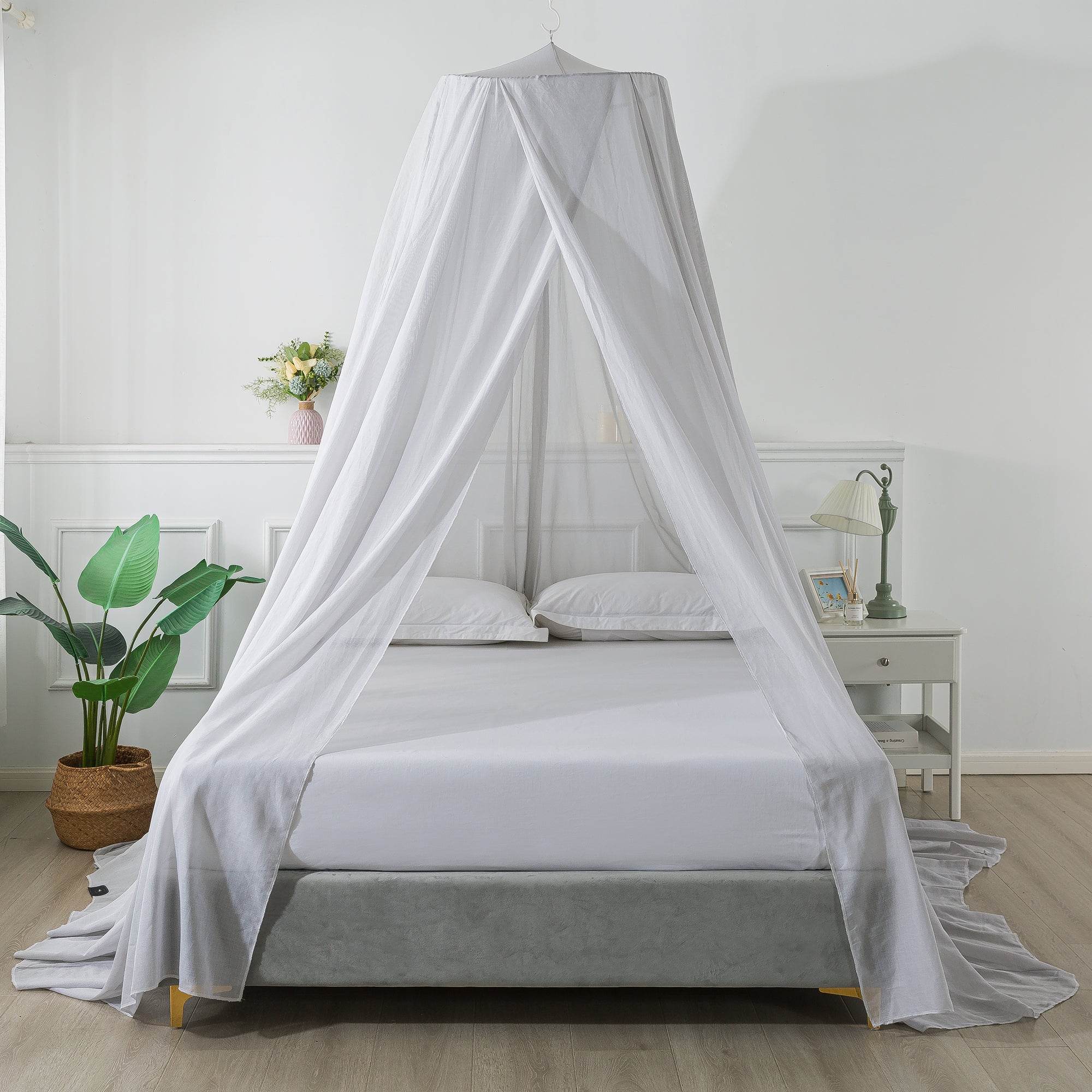
Silver-plated woven fabric for conductive textile and RF shielding applications.
Silver plating provides the conductive surface. “100% silver fiber” does not mean solid silver or 100% silver by mass.
Shielding performance depends on frequency, test method, construction, seams and coverage. Please contact us for specifications and test data for this exact SKU.
Do not wash. Wipe clean with a dry cloth. Store in a cool, dry place away from oxidizing agents.
CONSTRUCTION
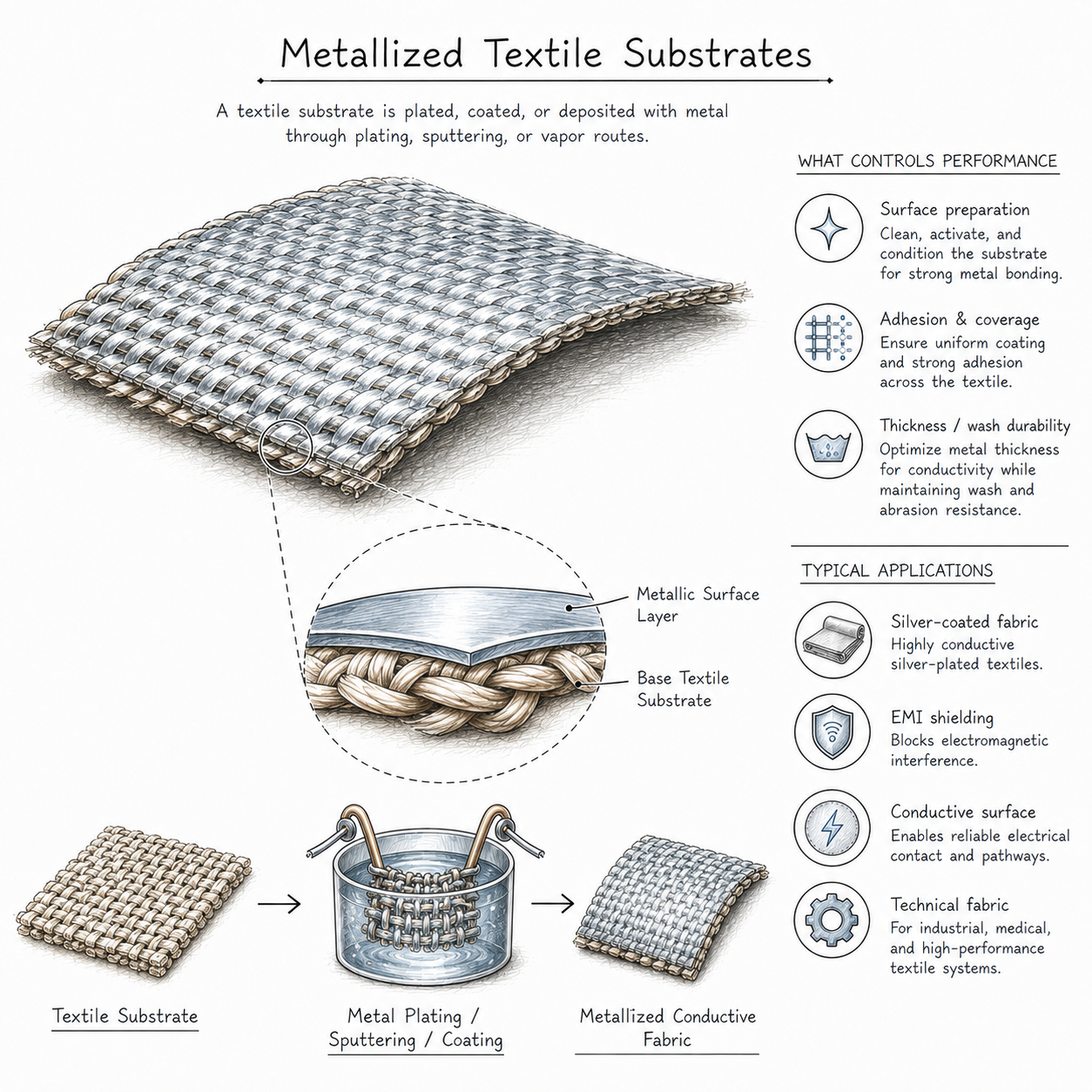
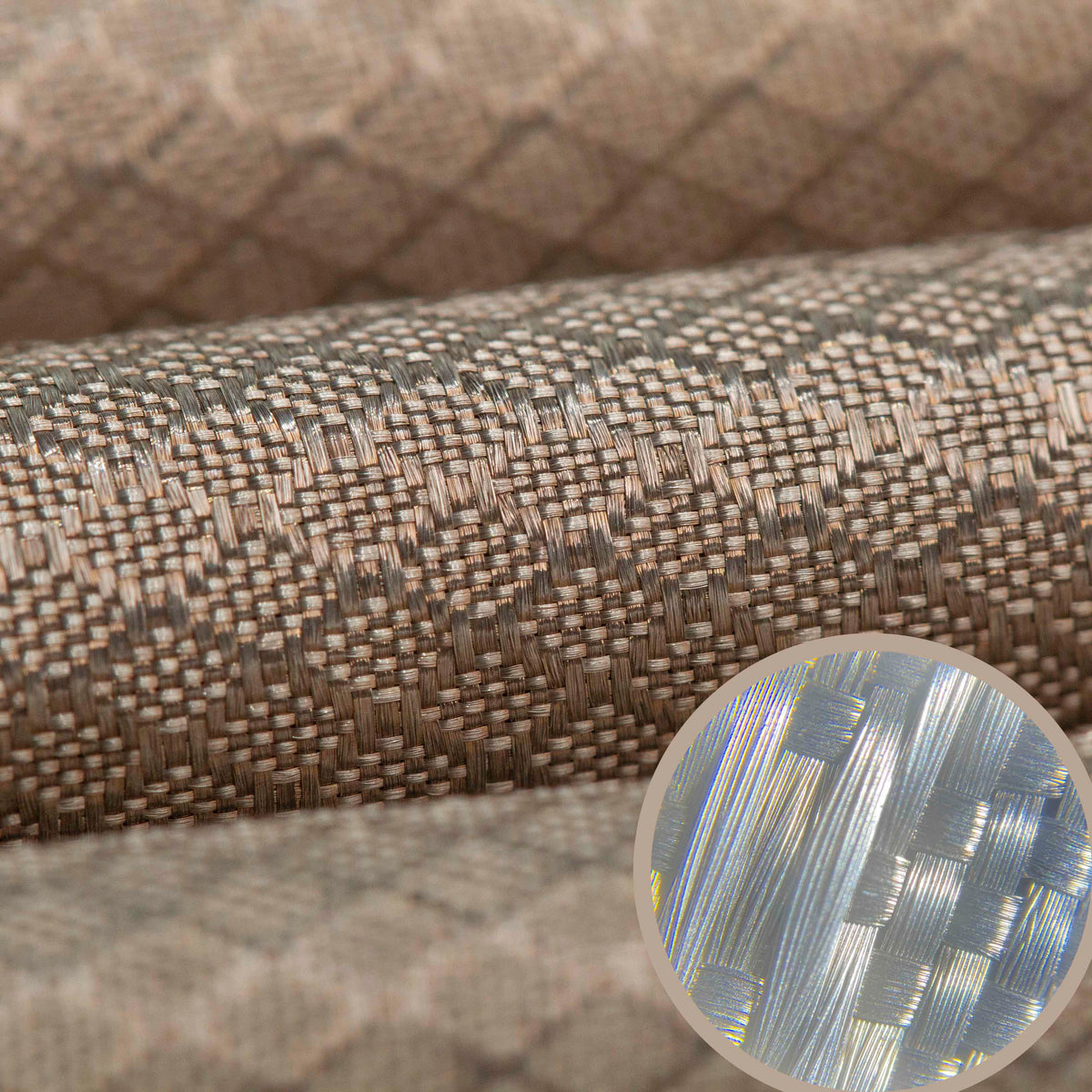
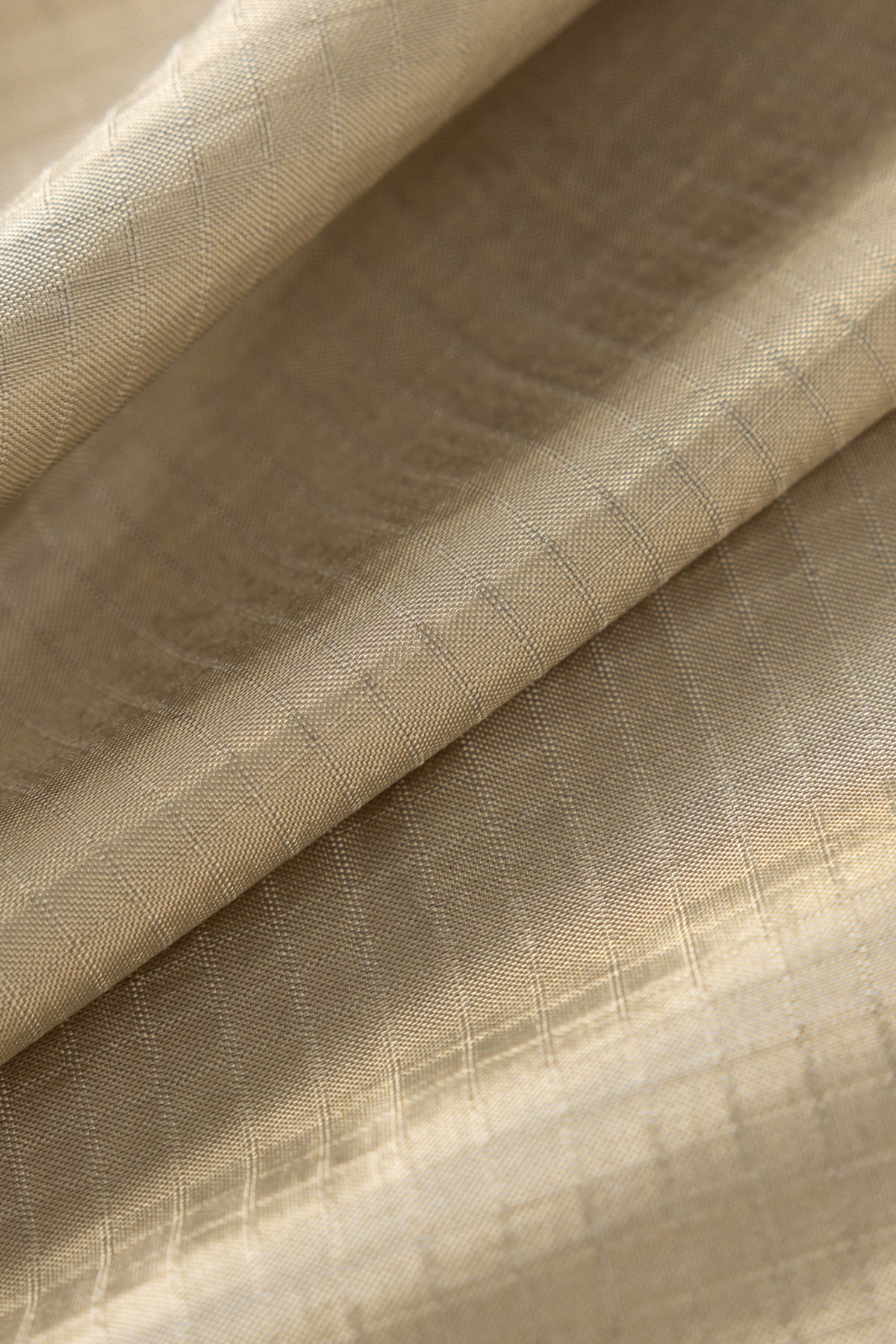
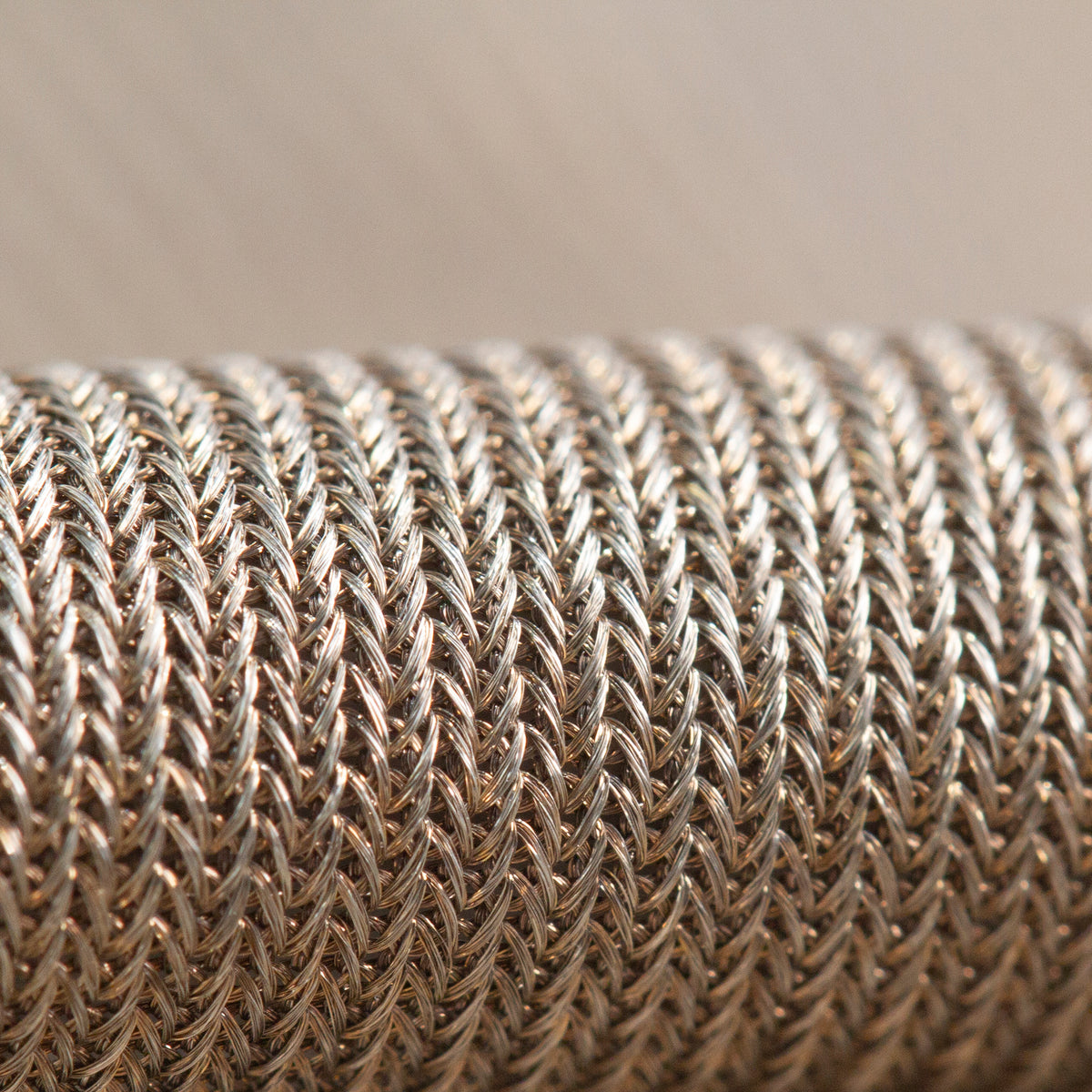
“100% Silver Fiber” does not mean the fabric is made from solid silver or contains 100% silver by mass. In this product category, a textile substrate is metallized with silver across the fiber surface. The substrate provides the textile structure, while the silver surface provides conductivity and contributes to shielding performance.
The base textile controls the construction, stretch, openness, weight and hand feel. Silver metallization adds the conductive surface without turning the material into solid silver.
OXIDATION CONTROL
Silver naturally develops patina through environmental exposure; Yunjia’s anti-oxidation treatment is designed to slow visible discoloration while preserving surface conductivity and shielding performance.


Samples stored under normal ambient air exposure for 4 months; no accelerated aging was applied.
Humidity, air quality, sulfur-containing compounds, handling and storage conditions can all affect how quickly visible patina develops.
The treatment is designed to delay visible surface change while maintaining the fabric’s accessible conductive surface.
Service-life note: “Extended service life” here refers to slower visible patina under comparable exposure conditions, not a fixed lifetime guarantee.
No. The term describes a textile substrate metallized with silver across the fiber surface. The base textile provides the structure, while the silver surface provides conductivity and shielding.
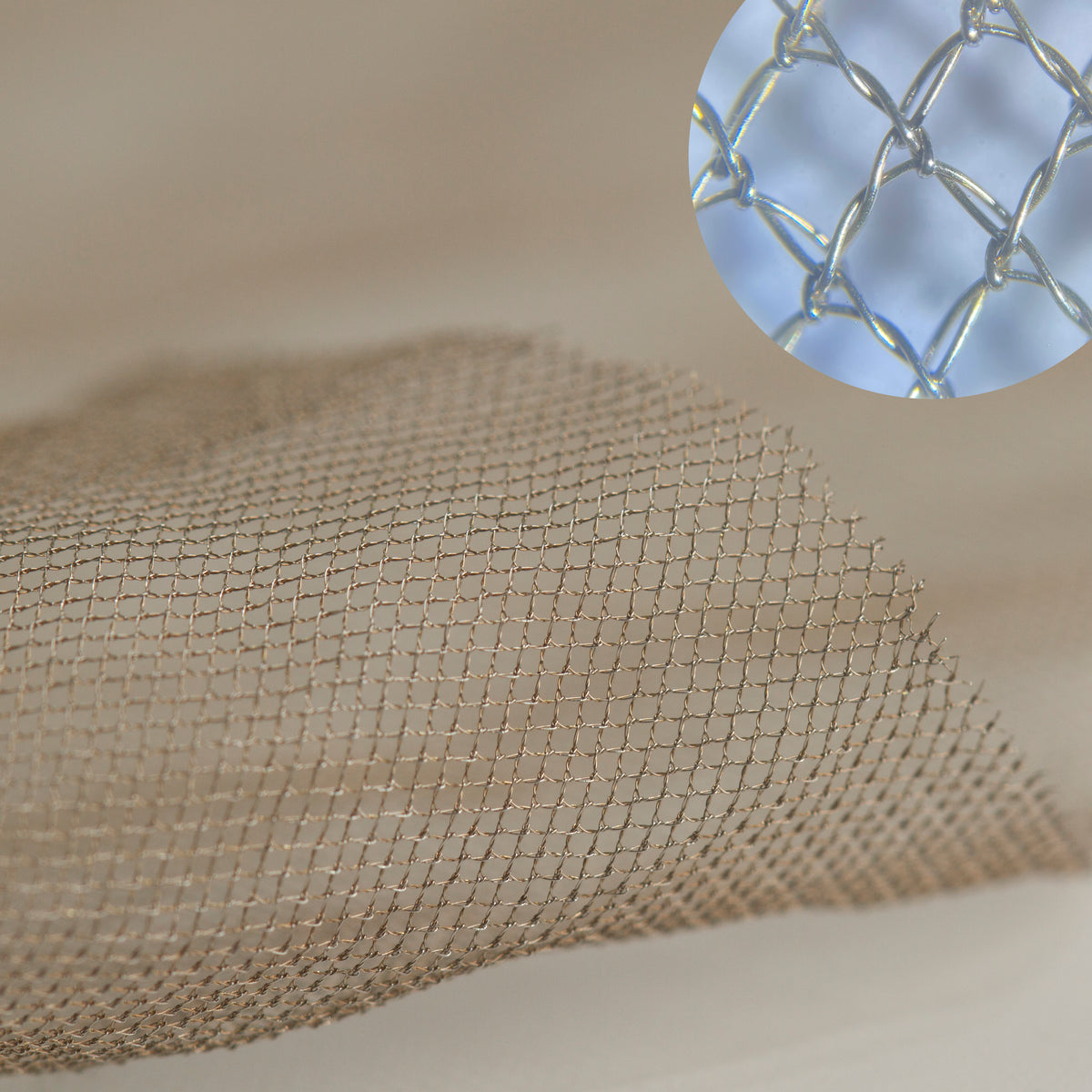
The substrate depends on the required construction. It may be an open mesh, an elastic knit or another suitable textile structure.
The textile behavior comes from the substrate. Silver metallization adds a conductive surface without requiring every product to use the same base construction.
Silver naturally develops patina through environmental exposure. Humidity, sulfur-containing compounds, handling and storage conditions can affect how quickly discoloration appears.
Not necessarily. Appearance and electrical performance are different measurements. Conductivity and shielding should be checked by appropriate testing rather than color alone.
Our typical silver content is approximately 15–18% by mass, verified through third-party testing. The target can be adjusted for different textile constructions and customer requirements.
Not by itself. Silver loading can influence surface coverage and conductivity consistency, but final performance also depends on metallization uniformity, textile construction and the test method.