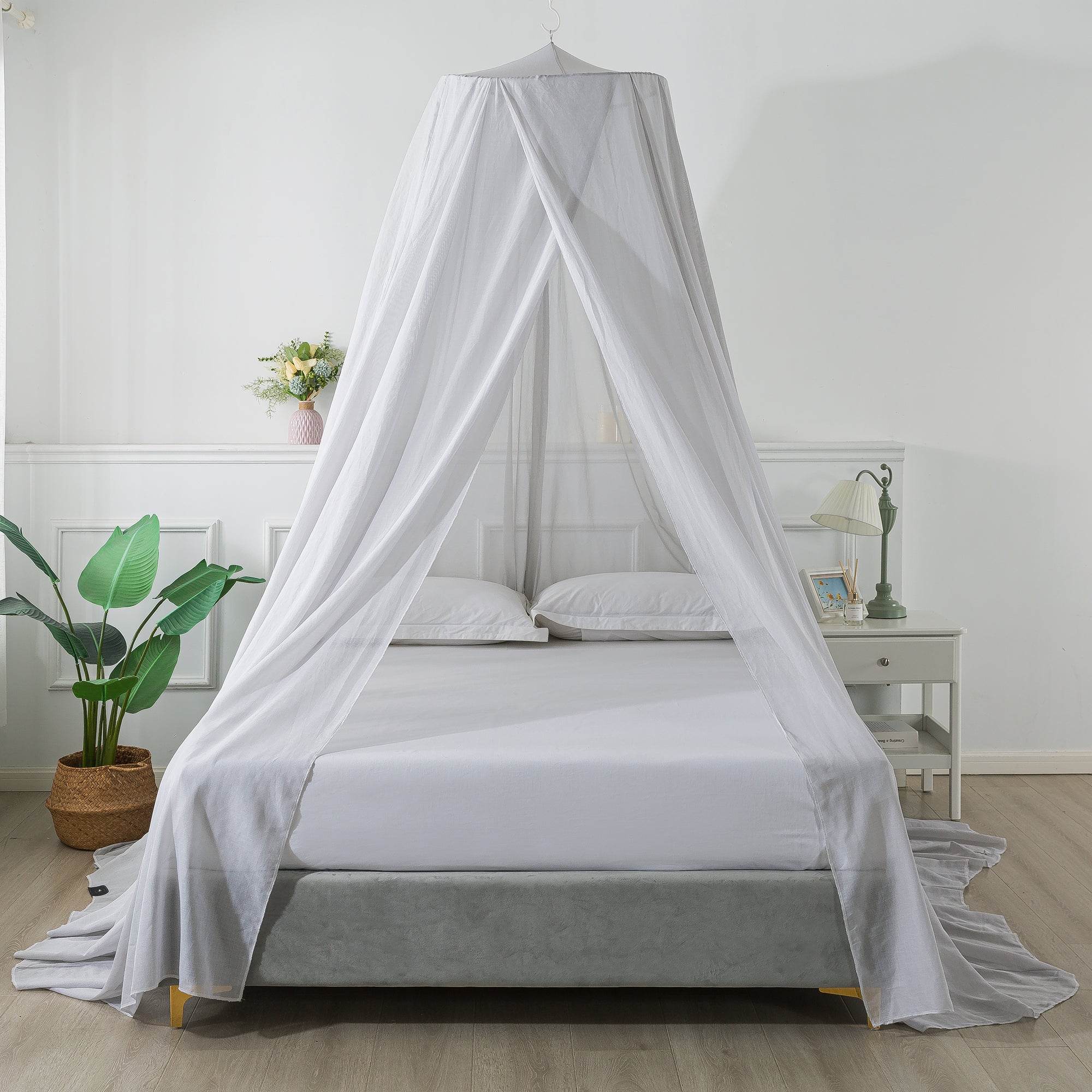
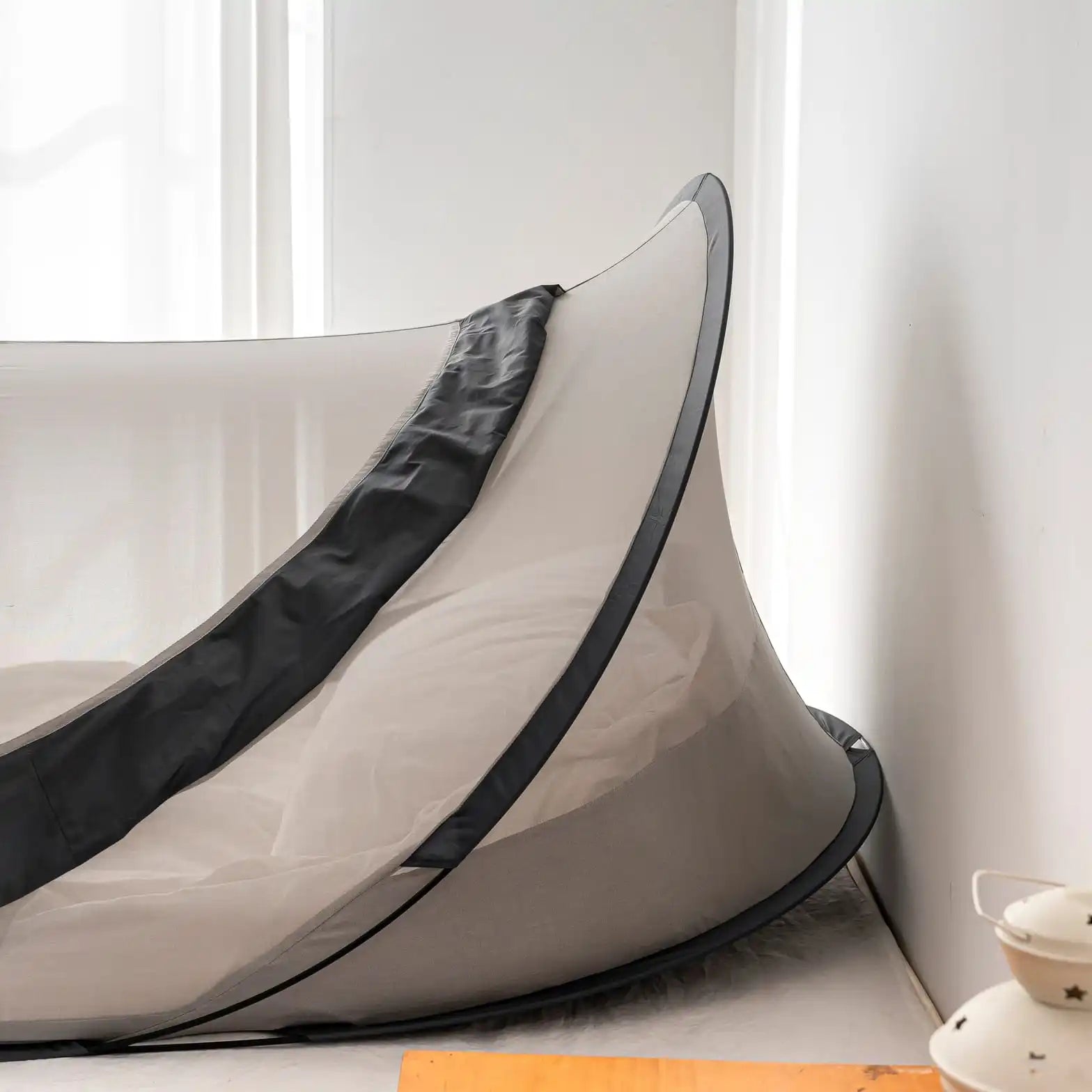
EMF Shielding Pop Up Tent Portable Faraday Cage for Sleeping
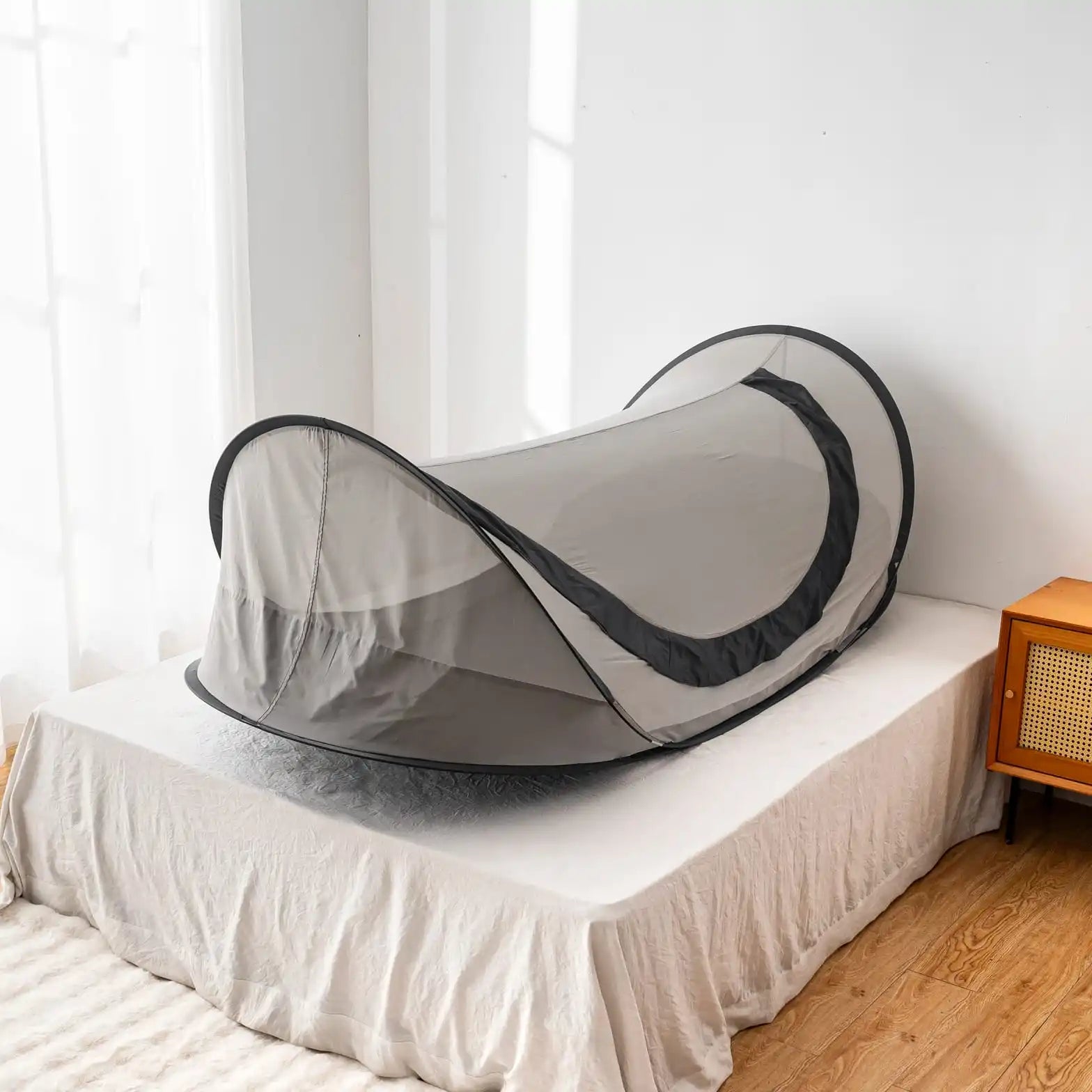
Portable EMF/RF Shielding Pop Up Tent
Create a reduced-signal textile enclosure with this high-performance pop-up tent. Designed for RF/EMF signal attenuation across applicable frequency ranges up to 40 GHz under relevant test conditions.
Key Benefits
- RF/EMF Signal Attenuation: Designed to reduce EMF/RF signal exposure across applicable frequency ranges up to 40 GHz.
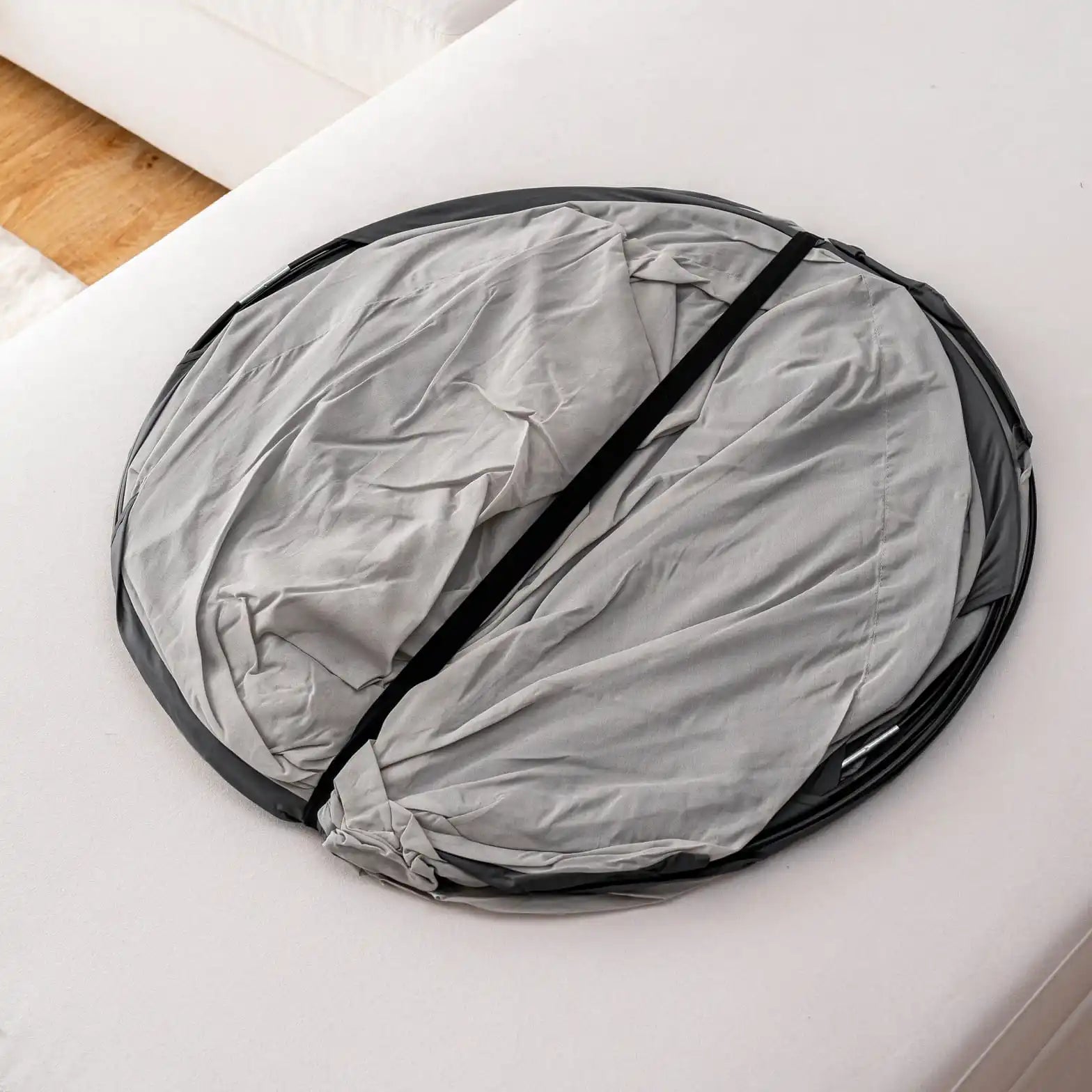
- Instant Setup: Portable pop-up design for home or travel use.
- Use Conditions Matter: Performance depends on setup, coverage, seams, openings, frequency range, and test method.
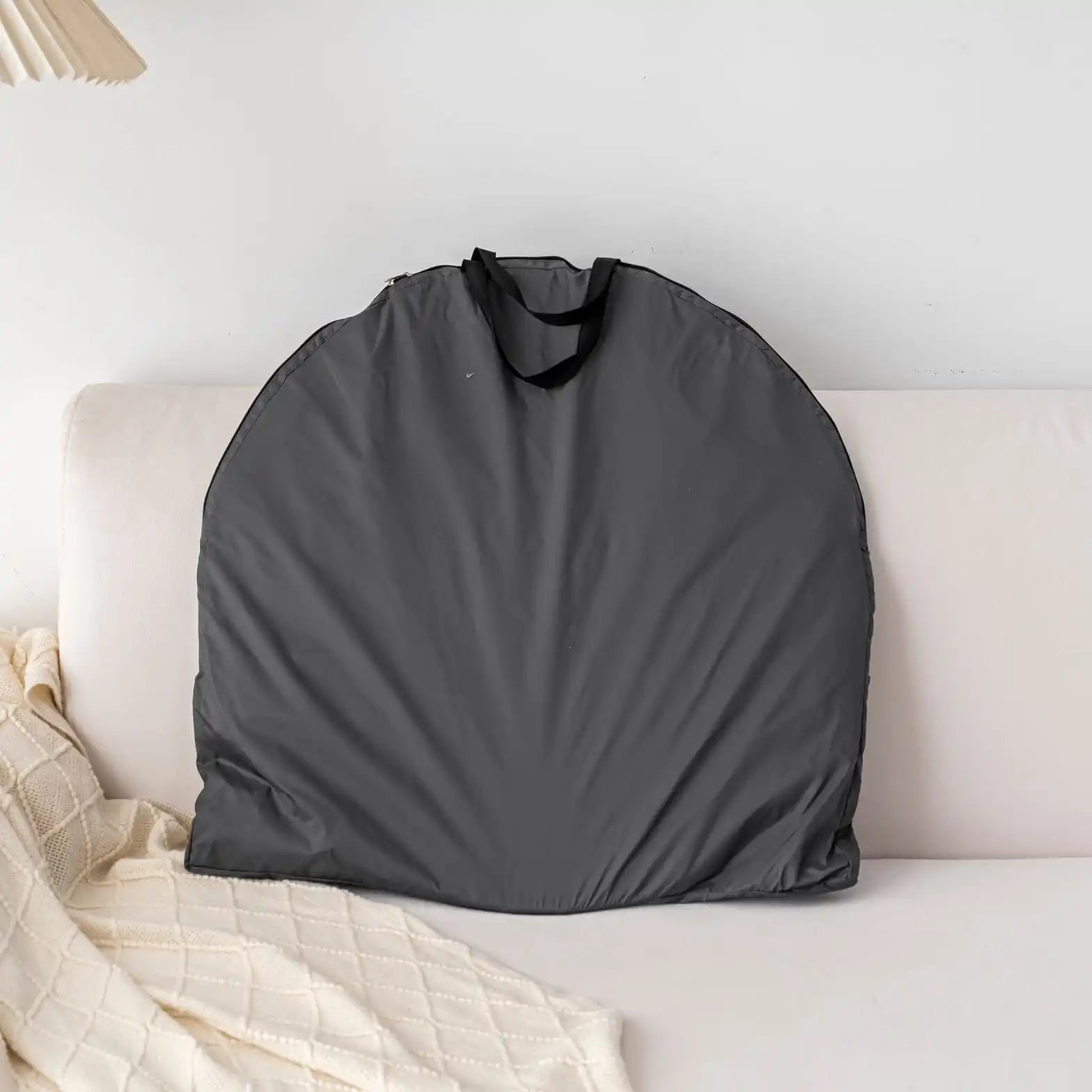
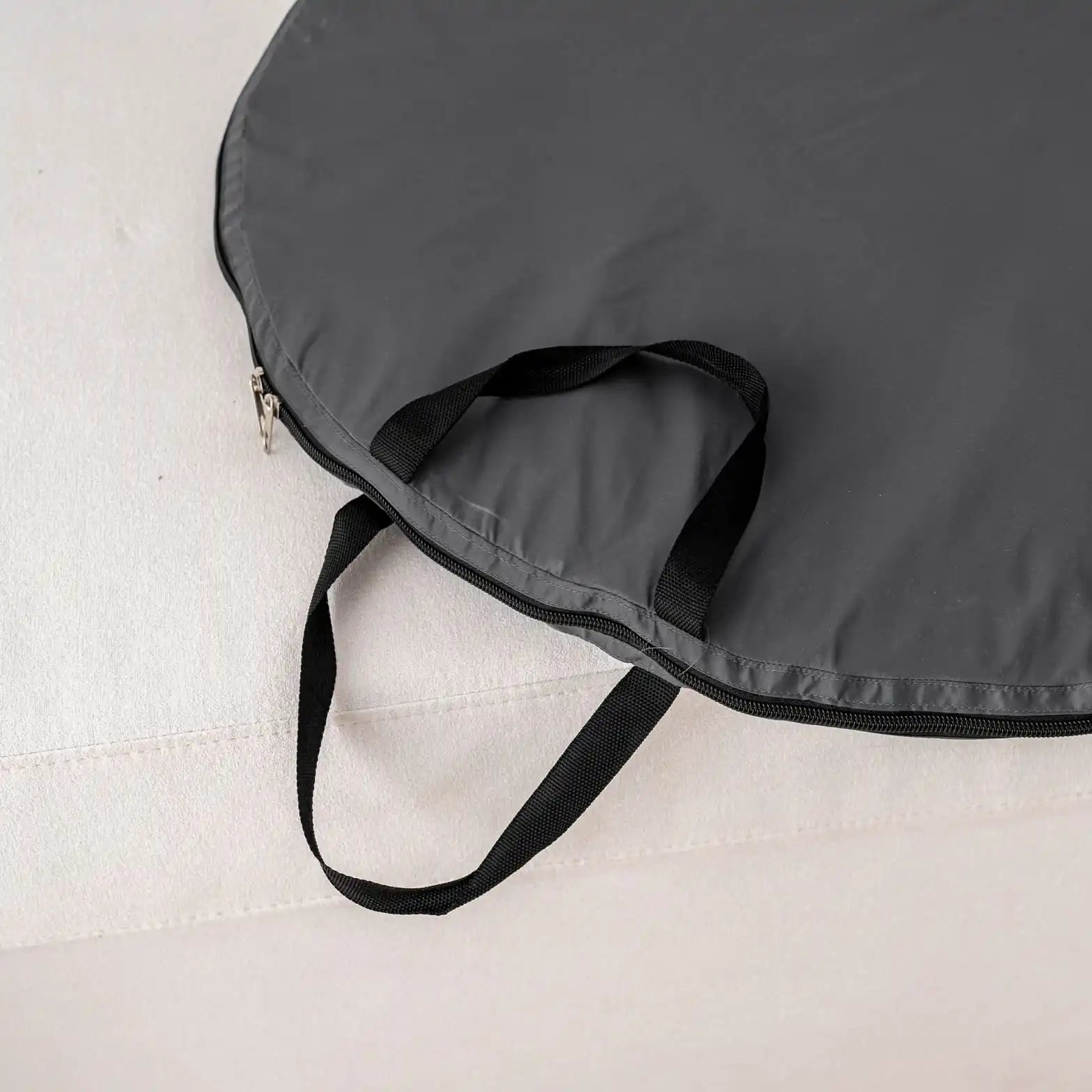
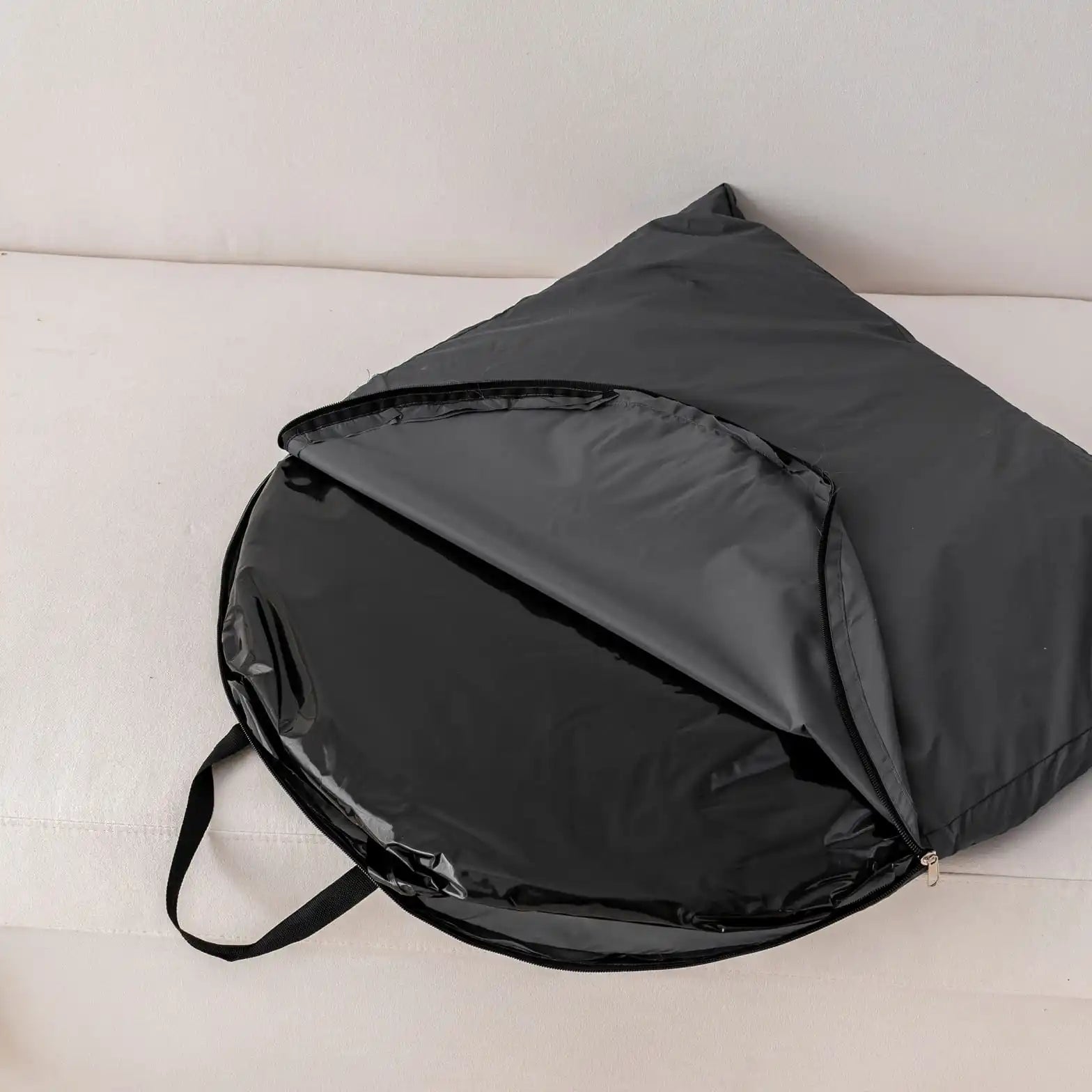
- Full Kit: Includes carrying case; optional grounding wire and outlet tester compatible.
Technical Specifications
- Model: CZP001
- Frequency Range: Effective up to 40 GHz
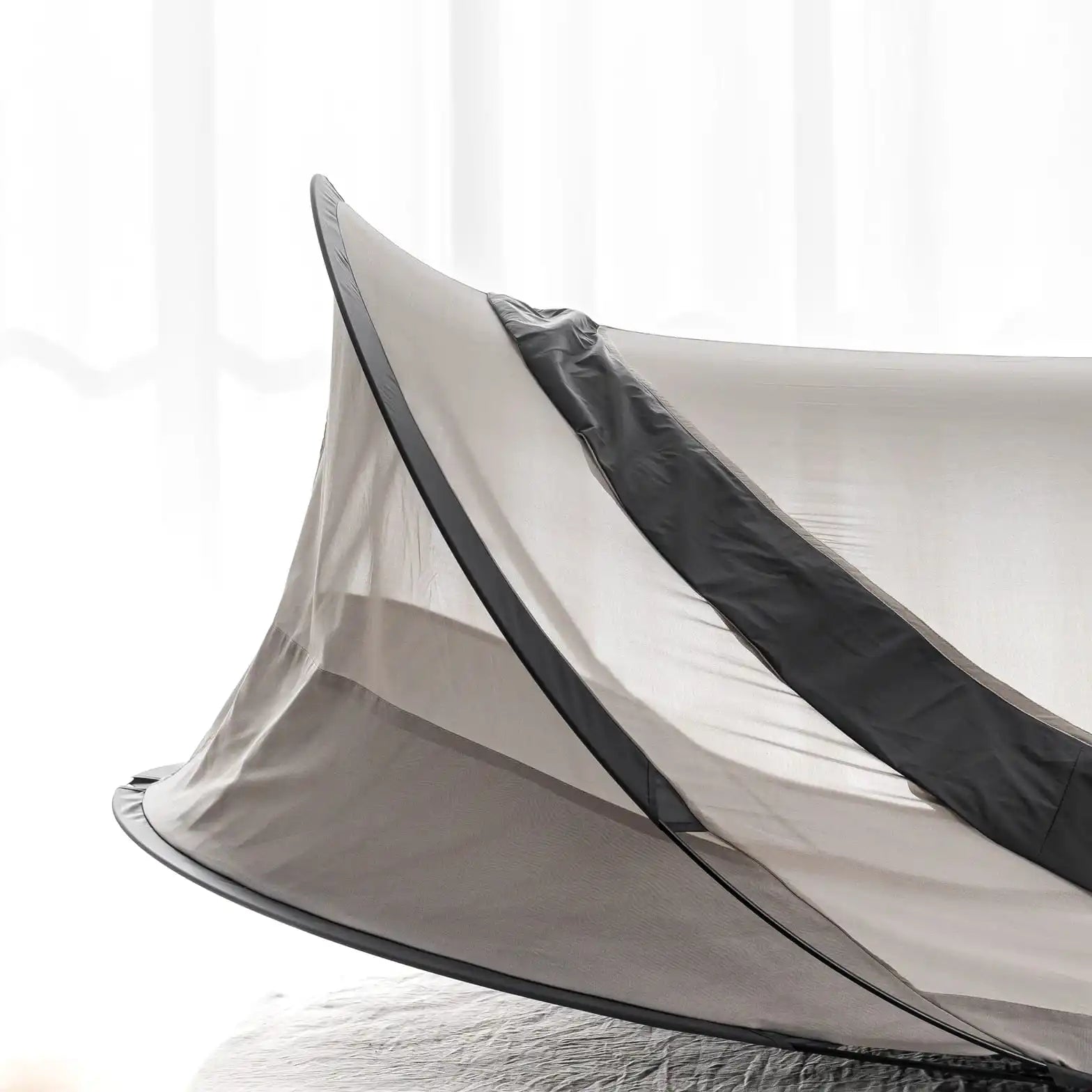
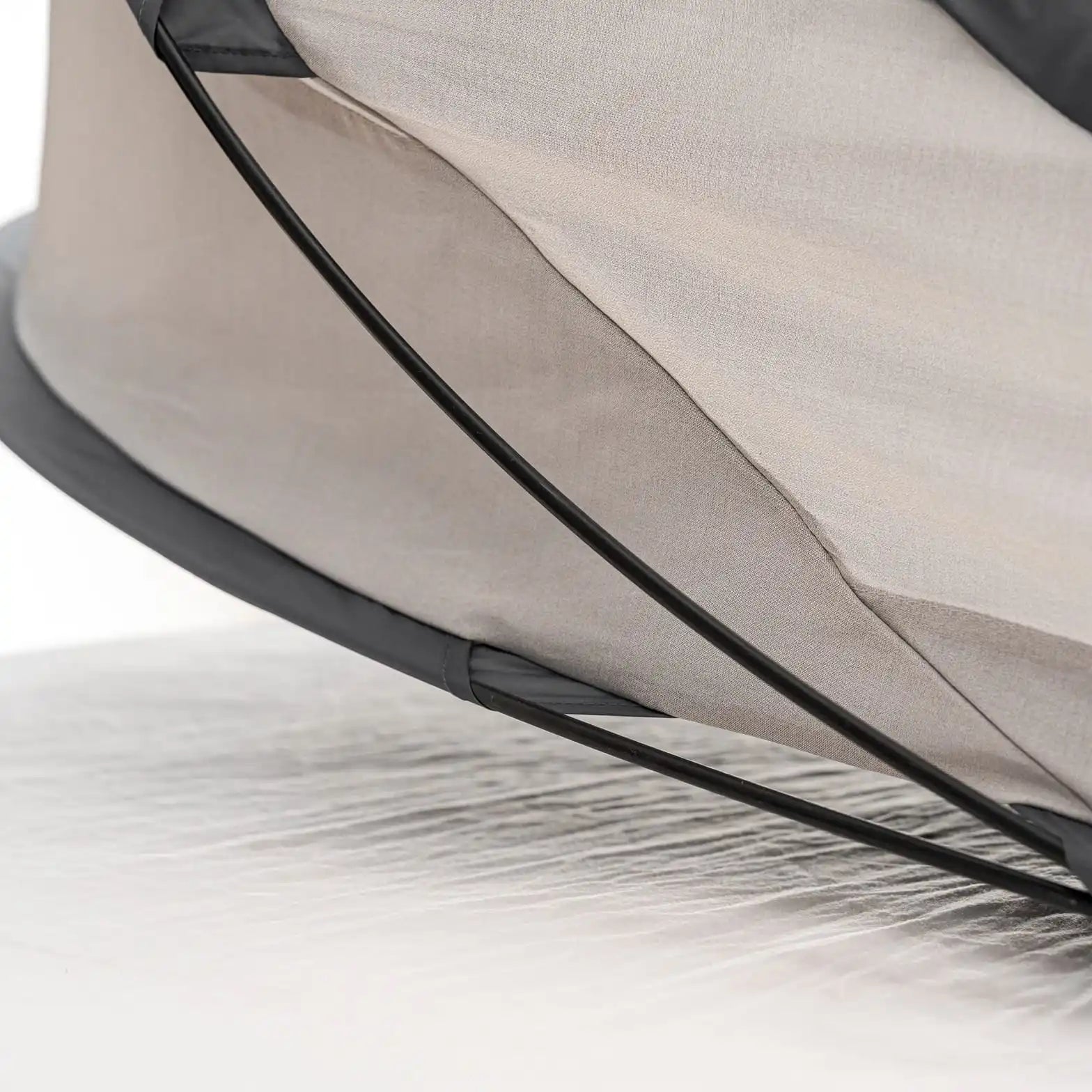
- Material: High-grade silver shielding fabric
- Portability: Lightweight with included carrying case
Care Instructions
Wipe with a damp cloth. Avoid harsh chemicals or machine washing to maintain shielding integrity.
Compare
Product comparison
Give your customers useful information about your products and showcase differences between them.
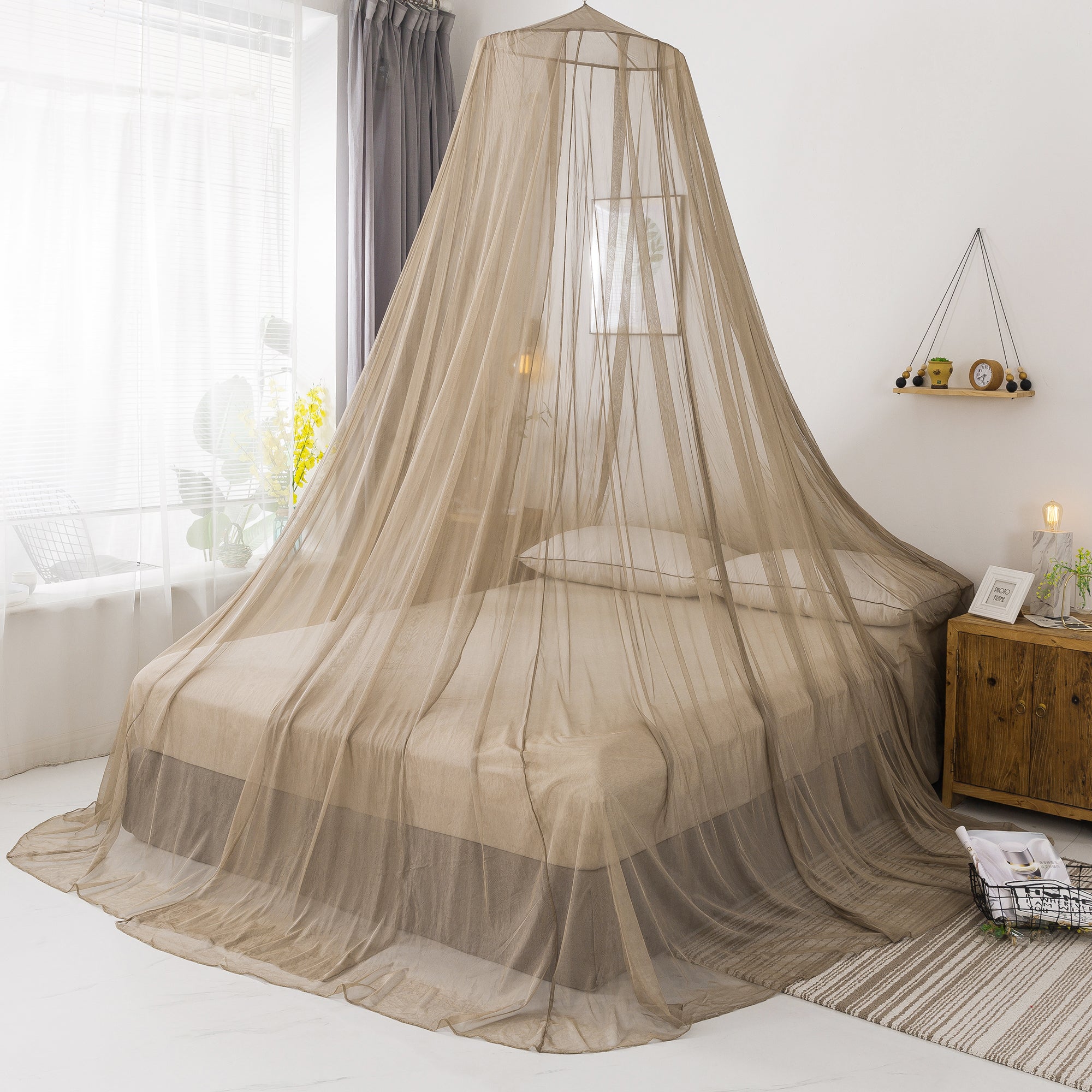

SILVER 32#U
SILVER 87#B
SILVER 112#
100% Silverfiber
100% Silverfiber
18% Silverfiber 82% Organic Cotton
Peak 45 dB
Peak 60 dB
Peak 35 dB


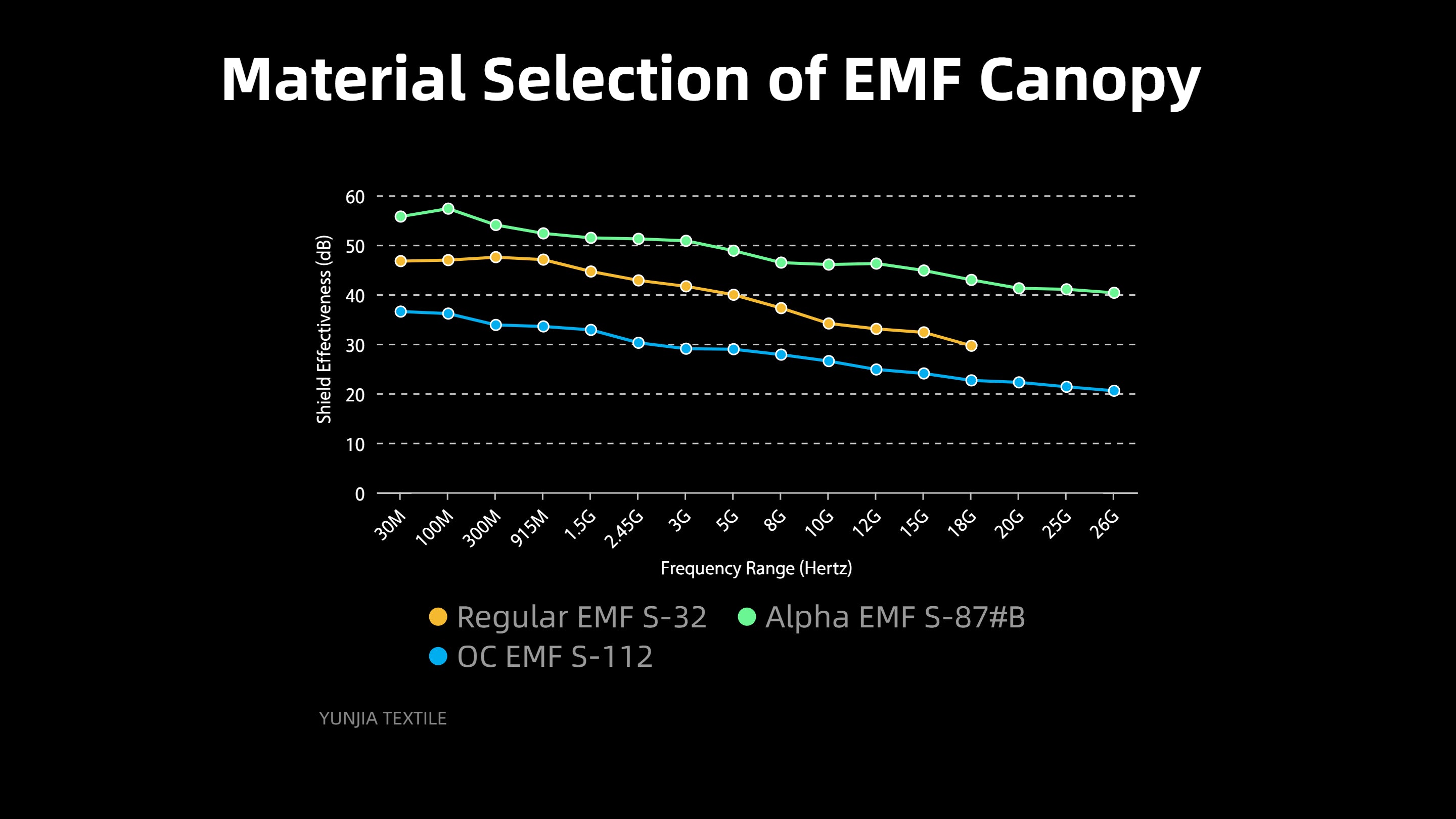
RF Shielding Textile Use Notes
These products use conductive textile materials for RF shielding enclosure and wearable material applications. Performance depends on material coverage, seams, openings, installation, grounding conditions where applicable, frequency range, and test method.
Coverage and Openings
Shielding performance depends on continuous conductive coverage. Gaps, seams, zippers, and openings can reduce measured attenuation.
Installation Conditions
Enclosures and apparel perform differently depending on fit, setup, grounding conditions where applicable, and surrounding signal sources.
Testing and Verification
Use frequency-specific laboratory data or an RF meter test plan to evaluate performance for a specific application.

OEKO-TEX Standard 100 certification relates to restricted-substance testing for textile materials. It does not certify RF shielding performance. Ask YUNJIA TEXTILE for available material documentation before selecting a material for a specific project.
RF shielding fabrics are tested by independent laboratories to document attenuation under stated frequency ranges and test methods. Review the test data, material coverage, seams, openings, and installation conditions when selecting fabric for a project.
OEKO-TEX Standard 100 certification relates to restricted-substance testing for textile materials. It does not certify RF shielding performance. Ask YUNJIA TEXTILE for available material documentation before selecting a material for a specific project.
RF shielding fabrics are tested by independent laboratories to document attenuation under stated frequency ranges and test methods. Review the test data, material coverage, seams, openings, and installation conditions when selecting fabric for a project.
FAQ
How does an RF shielding tent work?
An RF shielding tent uses conductive textile surfaces to help reflect, absorb, or attenuate electromagnetic signals. Results depend on fabric conductivity, coverage continuity, seams, doors, openings, frequency range, and the test method used.
Why can I still get a phone signal inside the RF shielding tent?
Phone reception is not a calibrated shielding test. Mobile devices can connect at low signal levels, and small gaps or openings can affect results. Use frequency-specific test equipment and a consistent test setup to evaluate attenuation.
How do I clean and maintain the tent?
Wash at 30°C on a gentle cycle with mild detergent only. Avoid bleach, chlorine, and disinfectants. Air dry in the shade (do not iron). For storage, keep the tent in its original packaging or in a cool, dry room away from sunlight, acids, and alkalis.