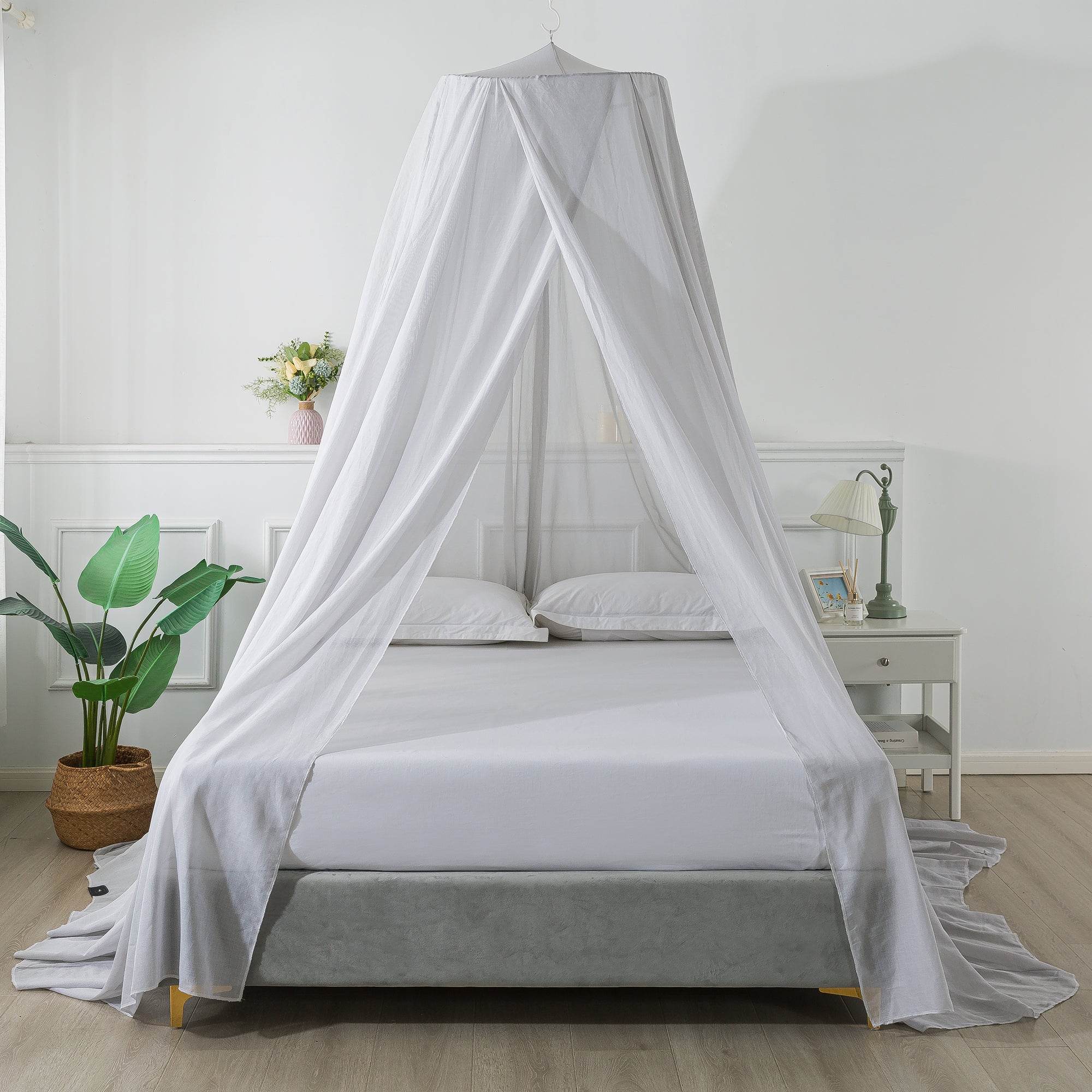
Use a flat 80 cm test path
Lay the lamé or fabric flat and choose an approximately 80 cm path. Keep the path free of folds and, where possible, away from seams, zippers and other hardware that can interrupt electrode contact.
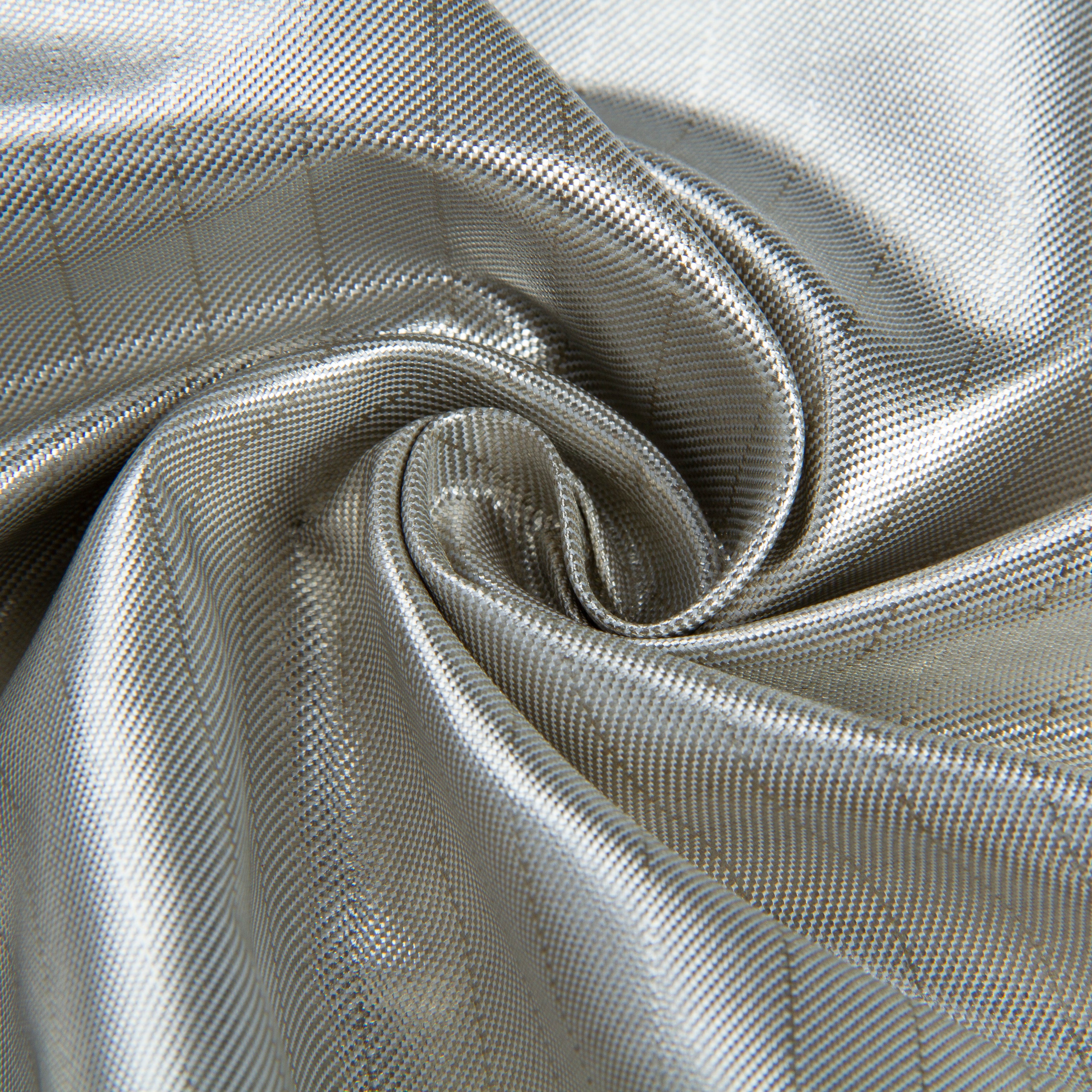
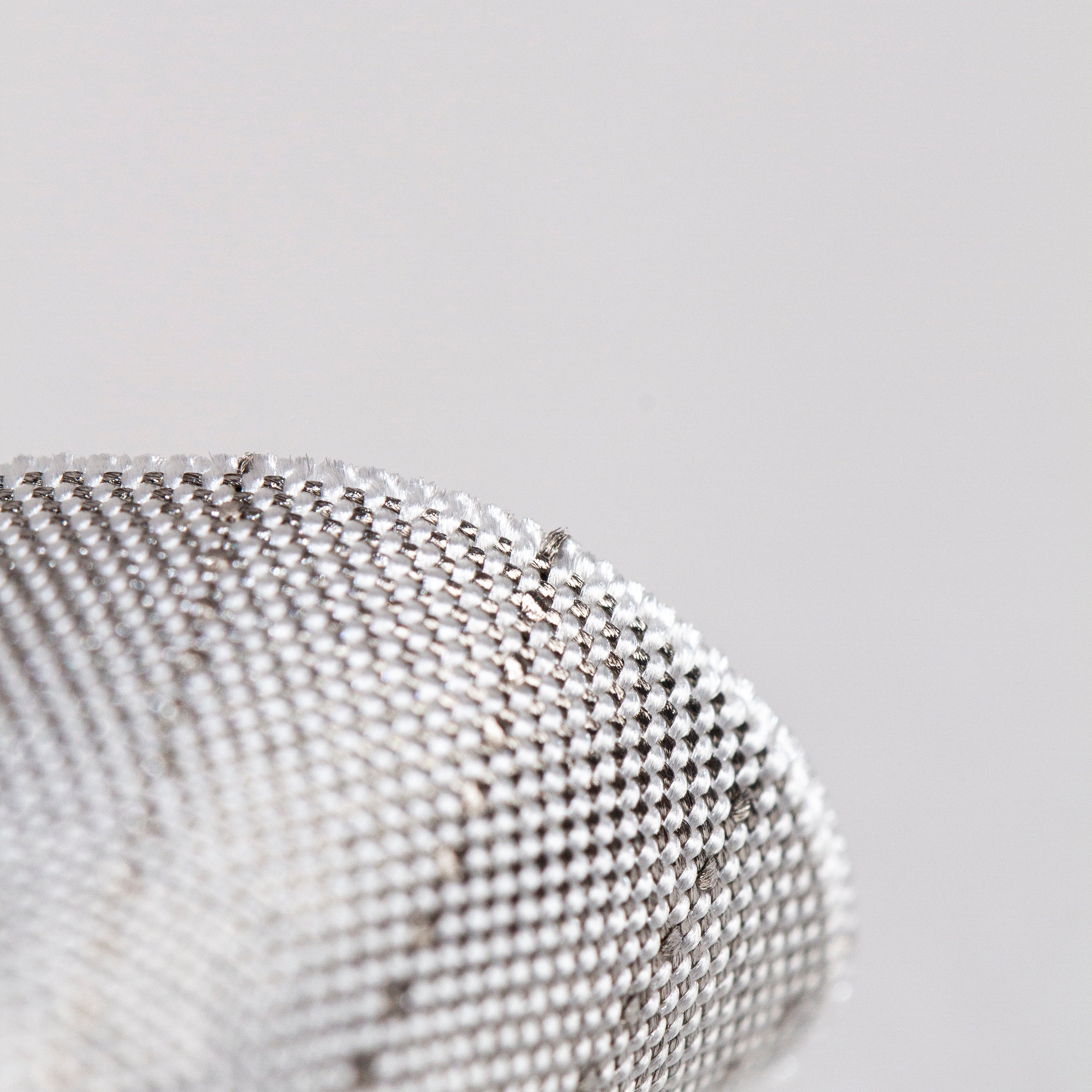
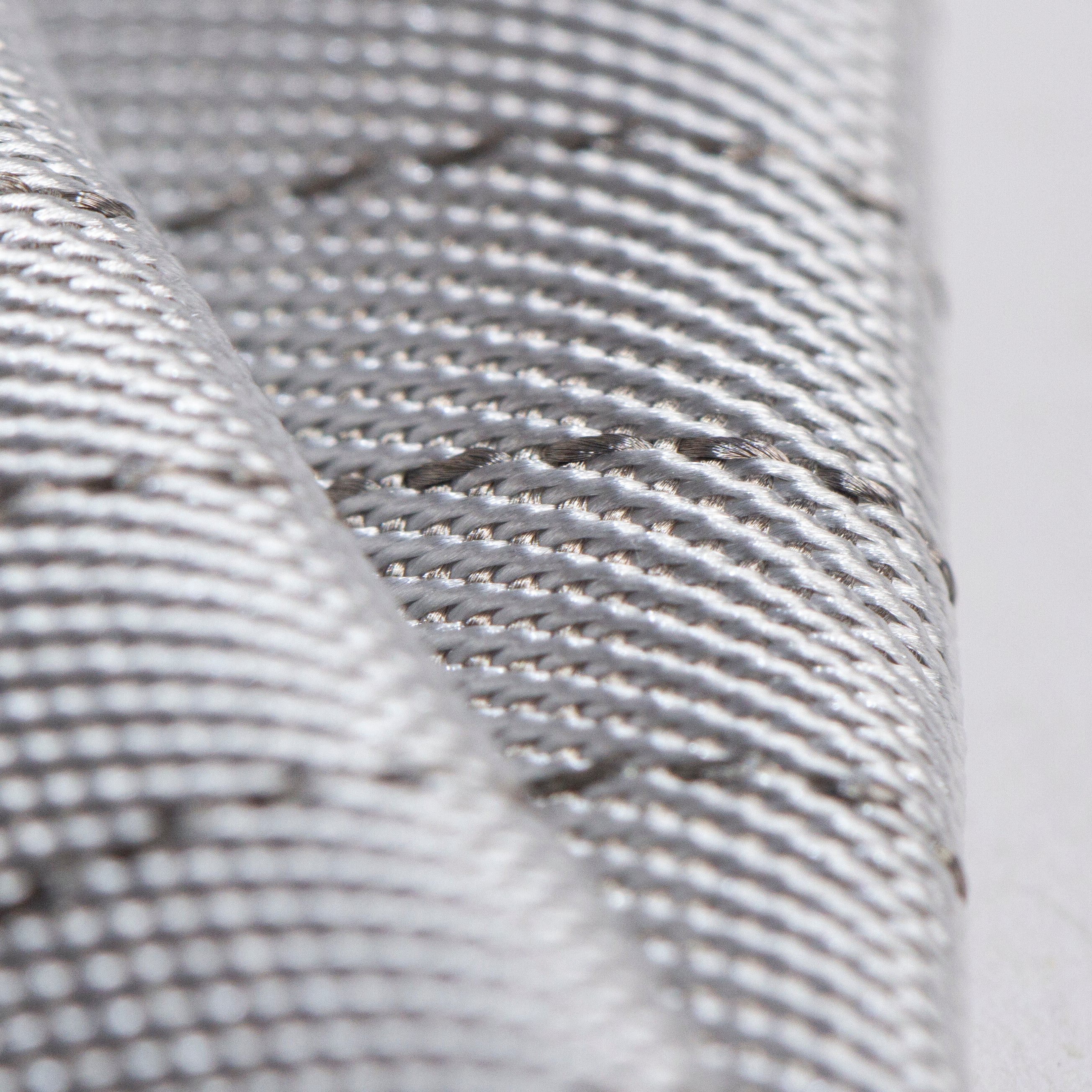
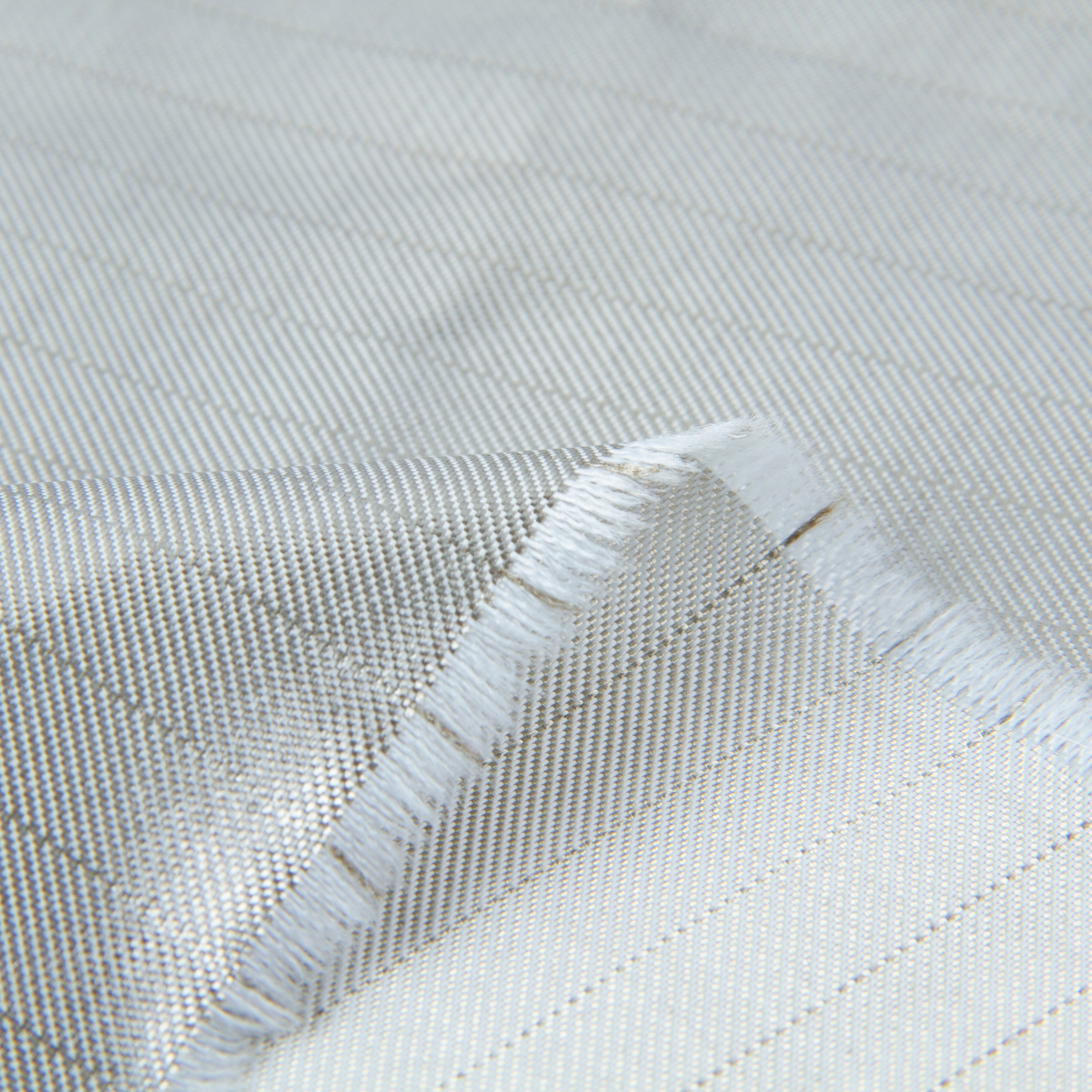
Elite-performance Silver Fiber Fabric designed specifically for fencing lames and international-standard sporting equipment. This high-conductivity material ensures accurate and reliable scoring.
Hand wash cold with silver-safe detergent. Do not bleach. Air dry. Do not iron.
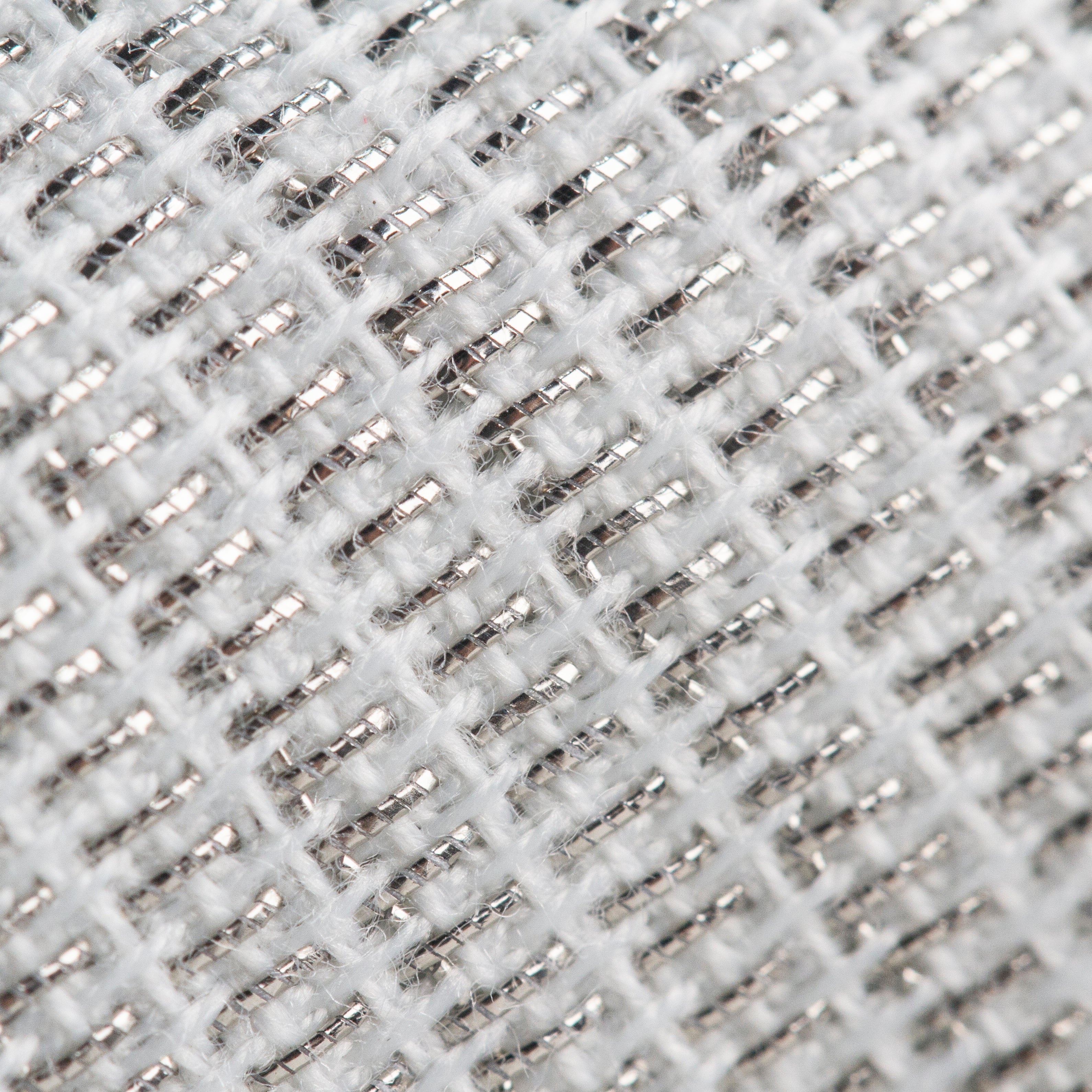
Two conductive systems with different long-term behavior.
| Criterion | SILVER | INOX |
|---|---|---|
| Conductive metal | Silver | Inox / Nickel |
| Initial resistance | Approx. 1–2 Ω | Below 1 Ω |
| Lightweight | ||
| Long-term durability | ||
| Appearance stability | ||
| Care simplicity |
Ratings compare the two material systems for fencing lamé applications. Five stars indicate stronger performance for that criterion.
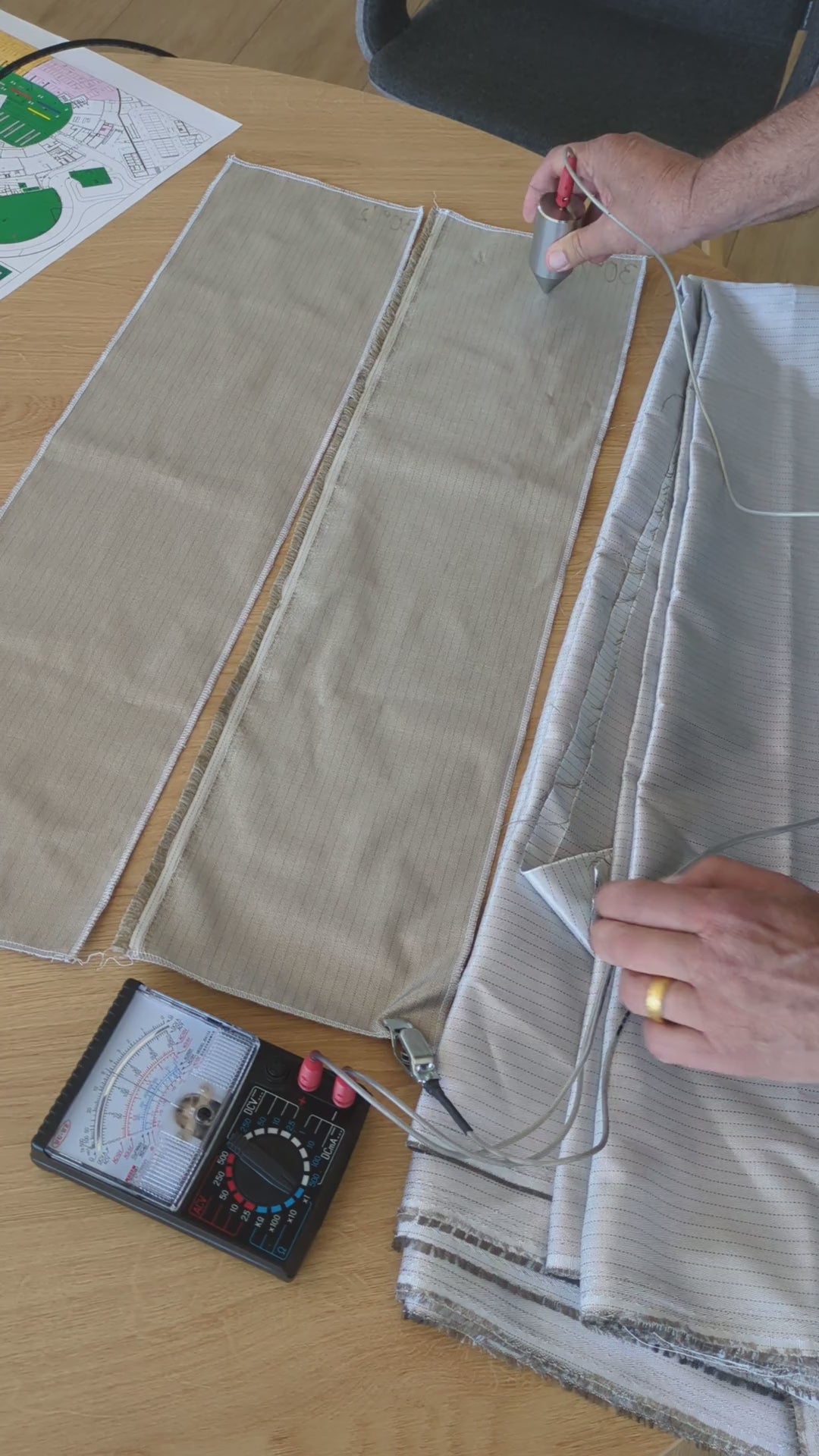
PRACTICAL TEST METHOD
This method checks electrical continuity across a meaningful length of the lamé, rather than producing one low reading at a single point.
Lay the lamé or fabric flat and choose an approximately 80 cm path. Keep the path free of folds and, where possible, away from seams, zippers and other hardware that can interrupt electrode contact.
Set the analog multimeter to a resistance (Ω) range. Before touching the lamé, bring the alligator clip and metal electrode into direct contact; the needle should respond at the zero-ohm reference. If it does not, check the selected range, leads, connections and zero adjustment before continuing.
Attach the alligator clip to the near end of the test path and leave it fixed. The clip must maintain stable metal-to-textile contact while the second contact moves.
Place the cylindrical metal electrode on the same near-end area, close to the clip. Starting both contacts from one origin lets the sweep check the material between them instead of comparing only two isolated points.
Slide the electrode from the origin toward the far end at a steady pace. Keep it upright so the flat base stays fully on the fabric, and guide it without changing downward force—do not tilt it, lift it or press harder at one point to force a lower reading.
Watch the needle throughout the sweep, not only at the start or finish. If it jumps, repeat that area with the electrode upright and fully in contact; a repeatable high-resistance area after contact is corrected can indicate a local continuity problem.
Silver Lamé Care
Darkening is natural; conductivity should be judged by resistance, not color alone.
Silver may naturally darken through environmental exposure. Darkening alone does not automatically mean electrical failure, but unsuitable care, moisture or oxidation may increase resistance above 5 Ω.
Inox provides more stable low-resistance performance through normal washing and repeated use. Silver requires more careful washing, drying and storage.
Silver naturally darkens or tarnishes through environmental exposure. This is a normal material characteristic and should not be judged by appearance alone.
No. Appearance and electrical resistance are different measurements. Test resistance across multiple points to determine actual performance.
Yes. Humidity, oxidation, unsuitable detergents or improper storage may increase resistance, which is why correct care and periodic testing are important.