Woven
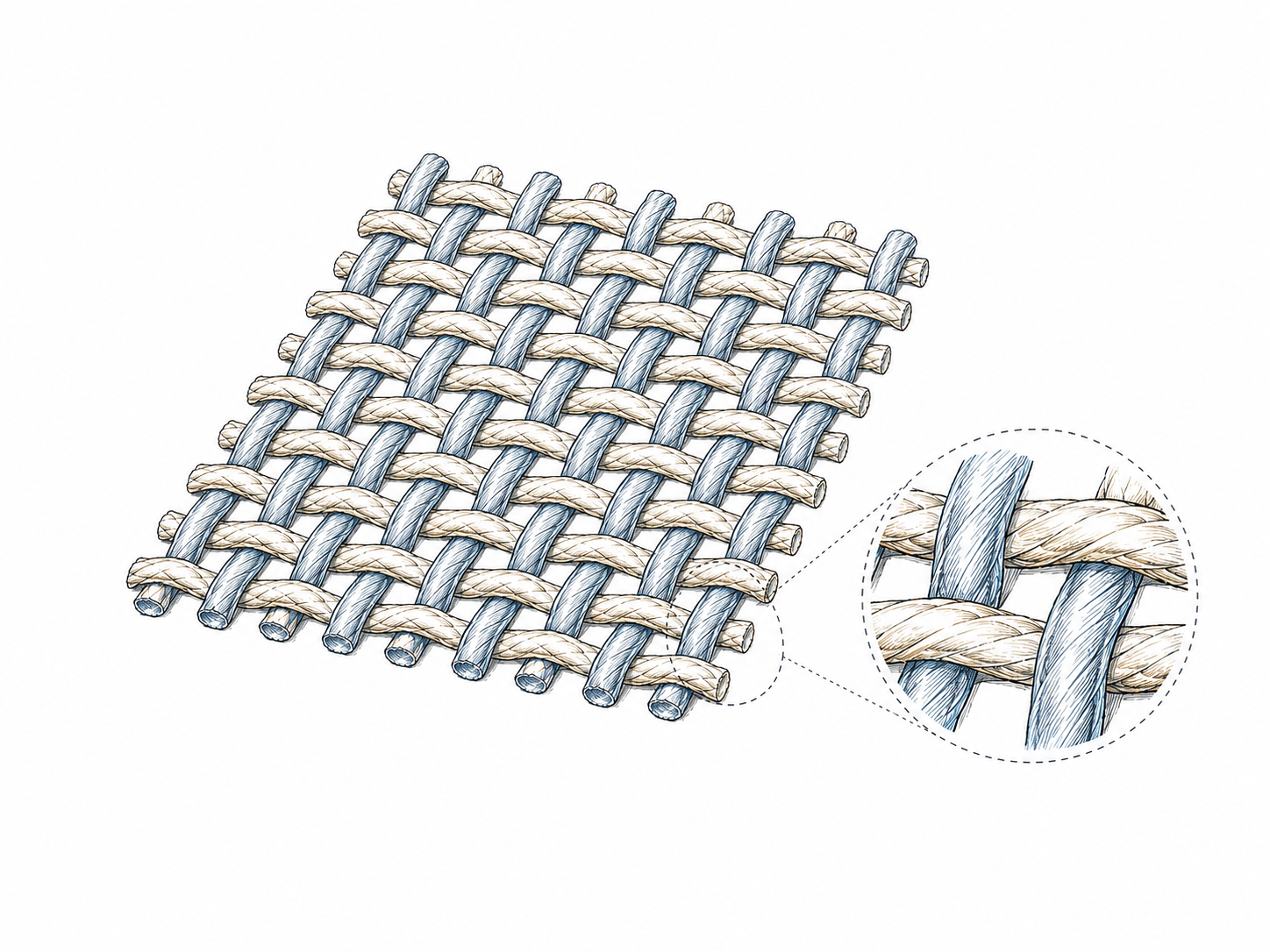
Warp and weft interlace into a stable surface with a clear geometric rhythm.
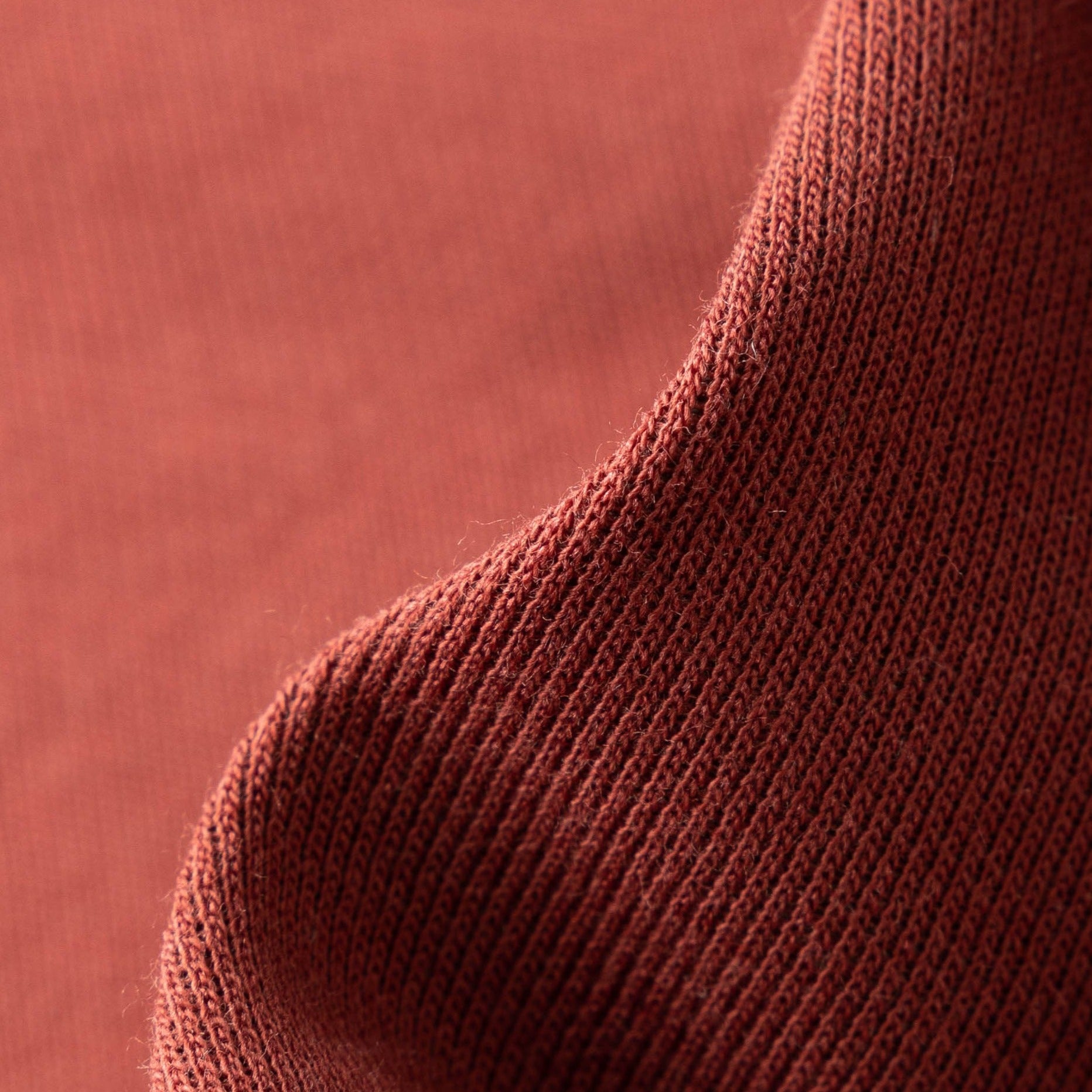
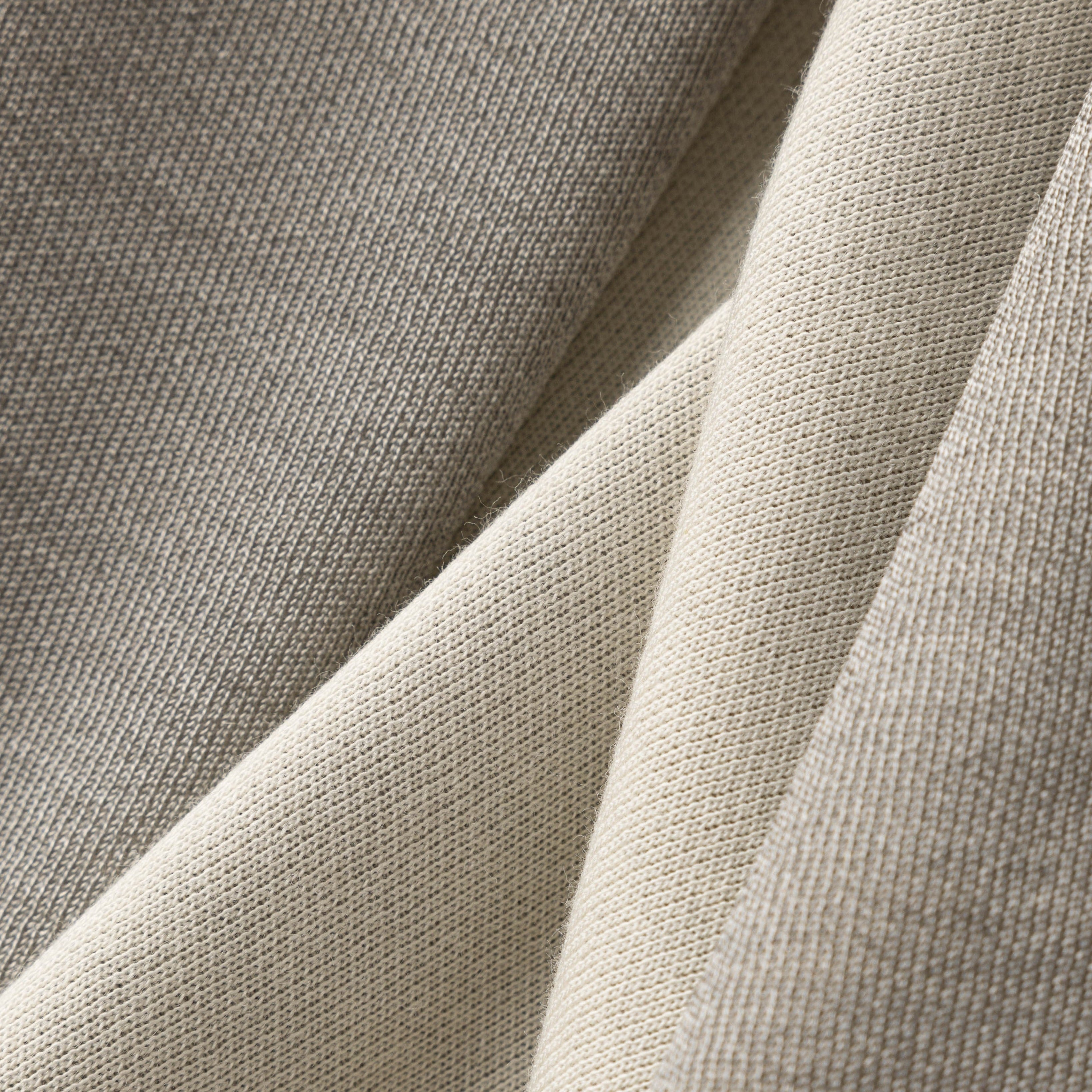
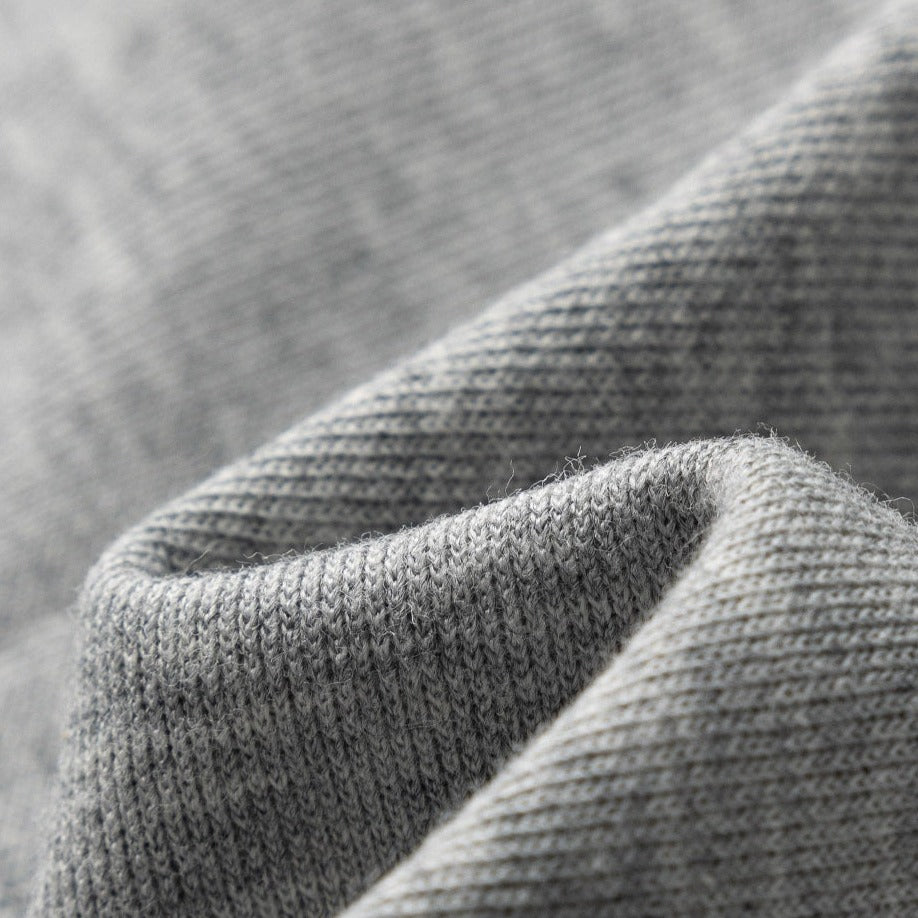
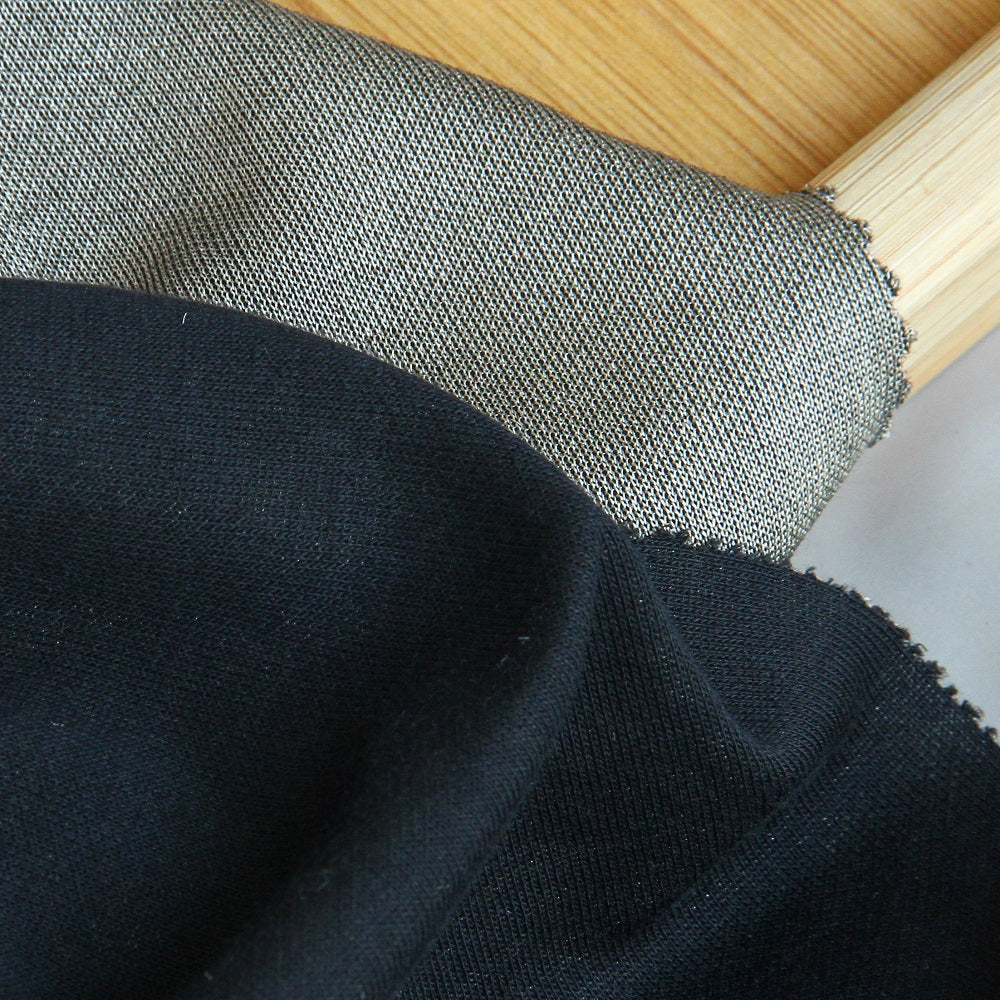
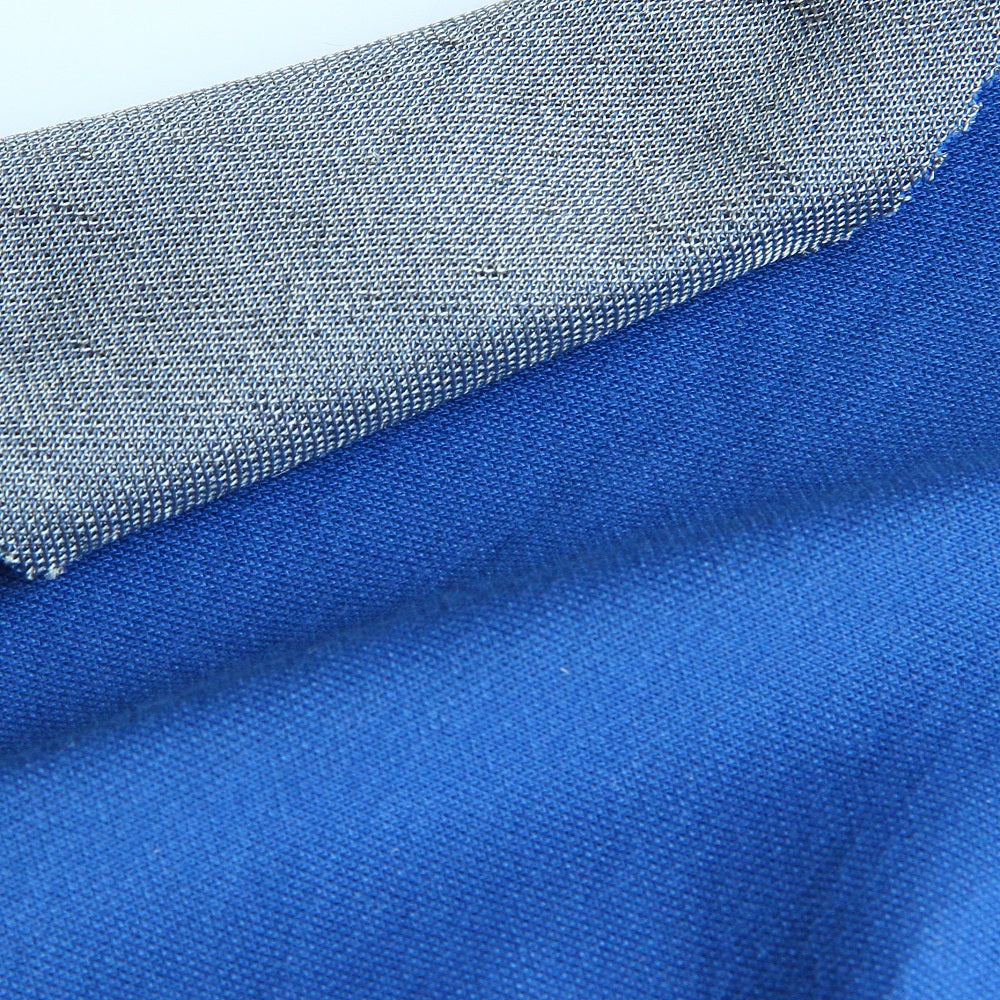
This cotton, polyester, and silver fiber knit fabric is a conductive textile material for apparel and technical textile applications.
Wash cold on gentle cycle with neutral detergent. Do not bleach or iron conductive areas directly.
For order details, see our Shipping Policy and Return & Refund Policy.
Important: These products are technical textile products. No medical use is claimed.
TEXTILE STRUCTURE
A silver-fiber blend is only the starting point. Through weaving, knitting and open-mesh construction, the same material system can become precise and stable, soft and flexible, or light and transparent.
Warp and weft interlace into a stable surface with a clear geometric rhythm.
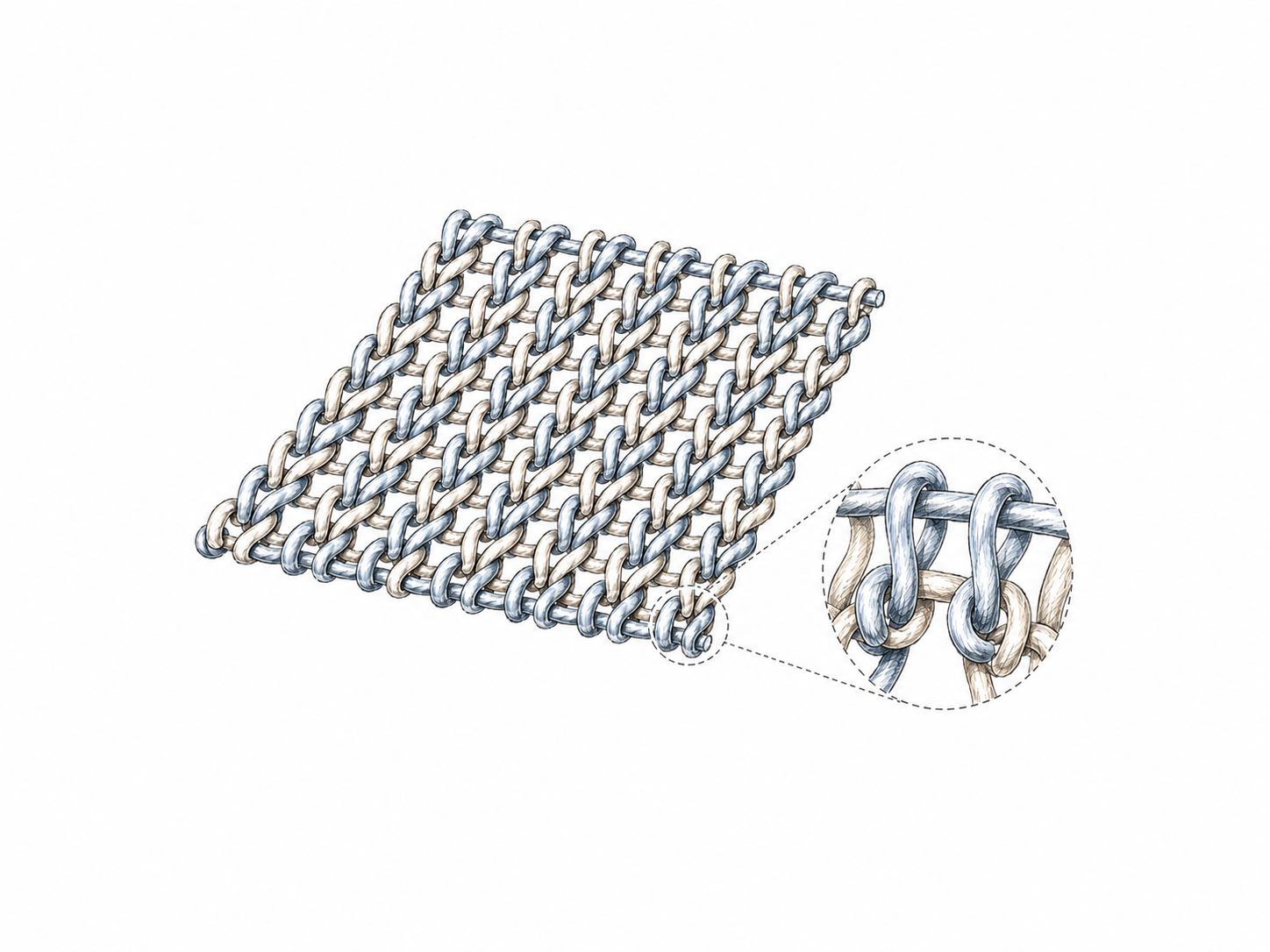
Interlocking loops create softness, movement and stretch.
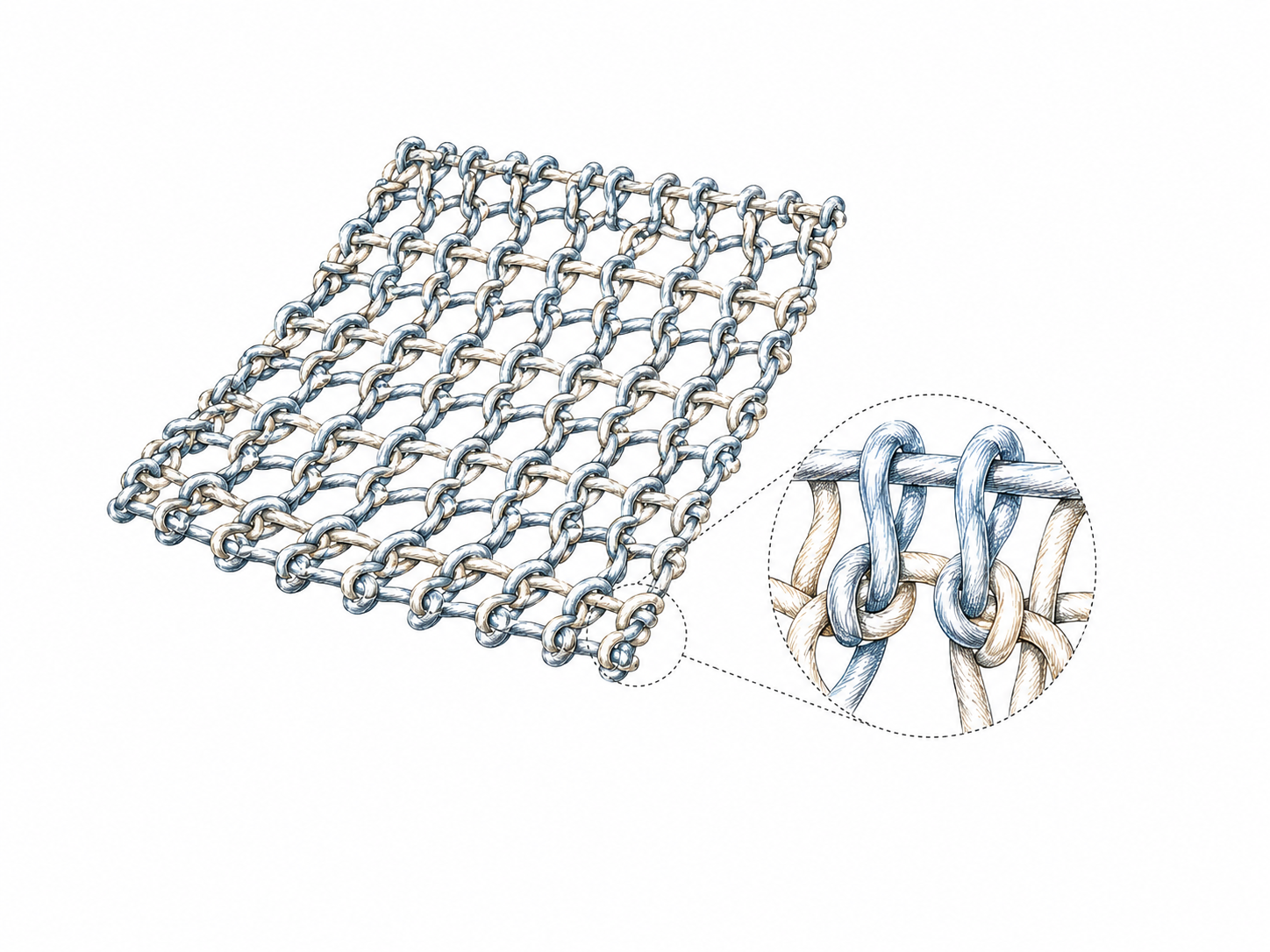
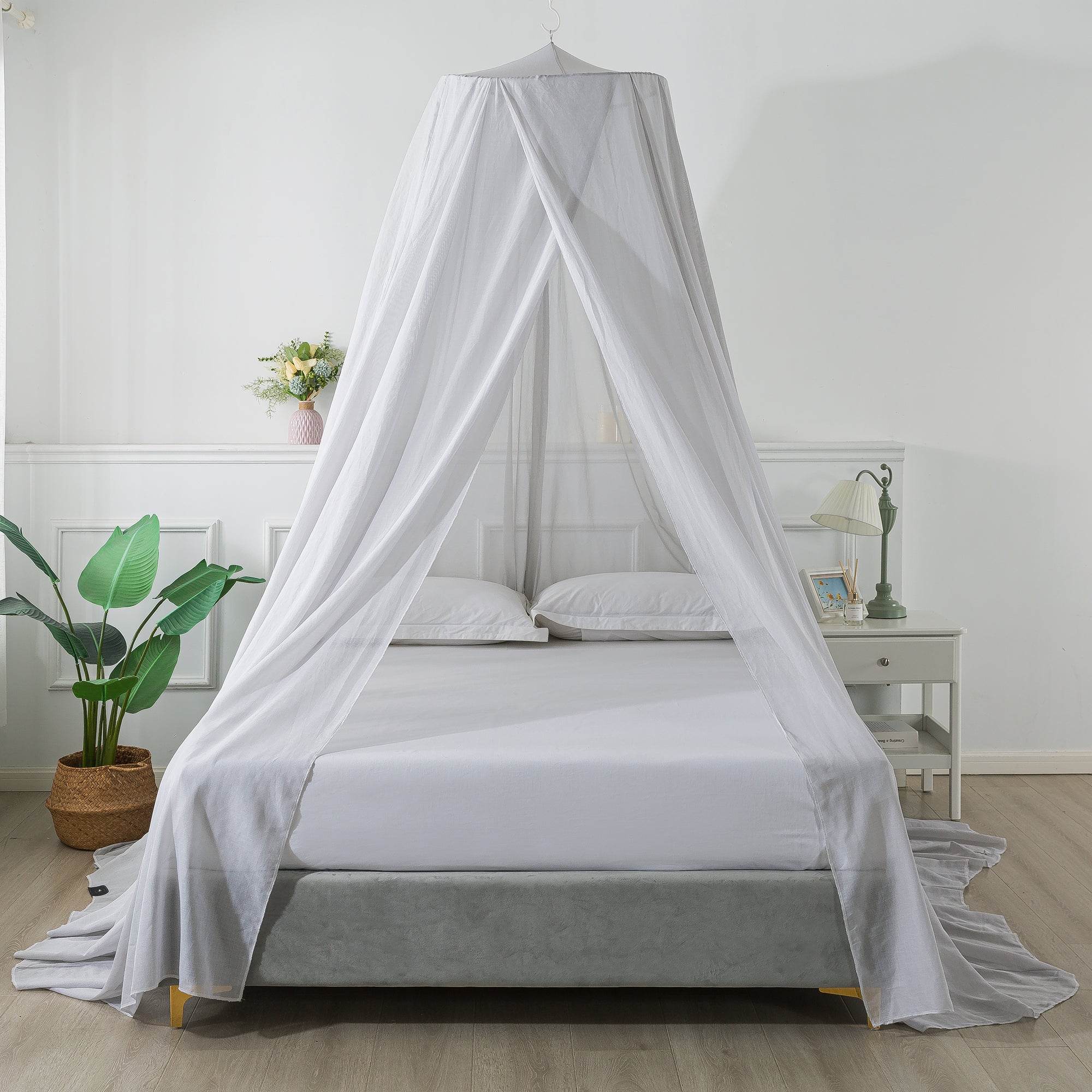
An open network introduces transparency, airflow and visual lightness.
Structure shapes the form. The companion fiber changes the feel.
FIBER COMBINATIONS
Companion fibers change hand feel, strength, appearance, drape, color options and care requirements. Cotton, bamboo-based fibers and silk support refined silver-blended textile directions, while polyester and nylon remain important for strength, dimensional control and technical construction.
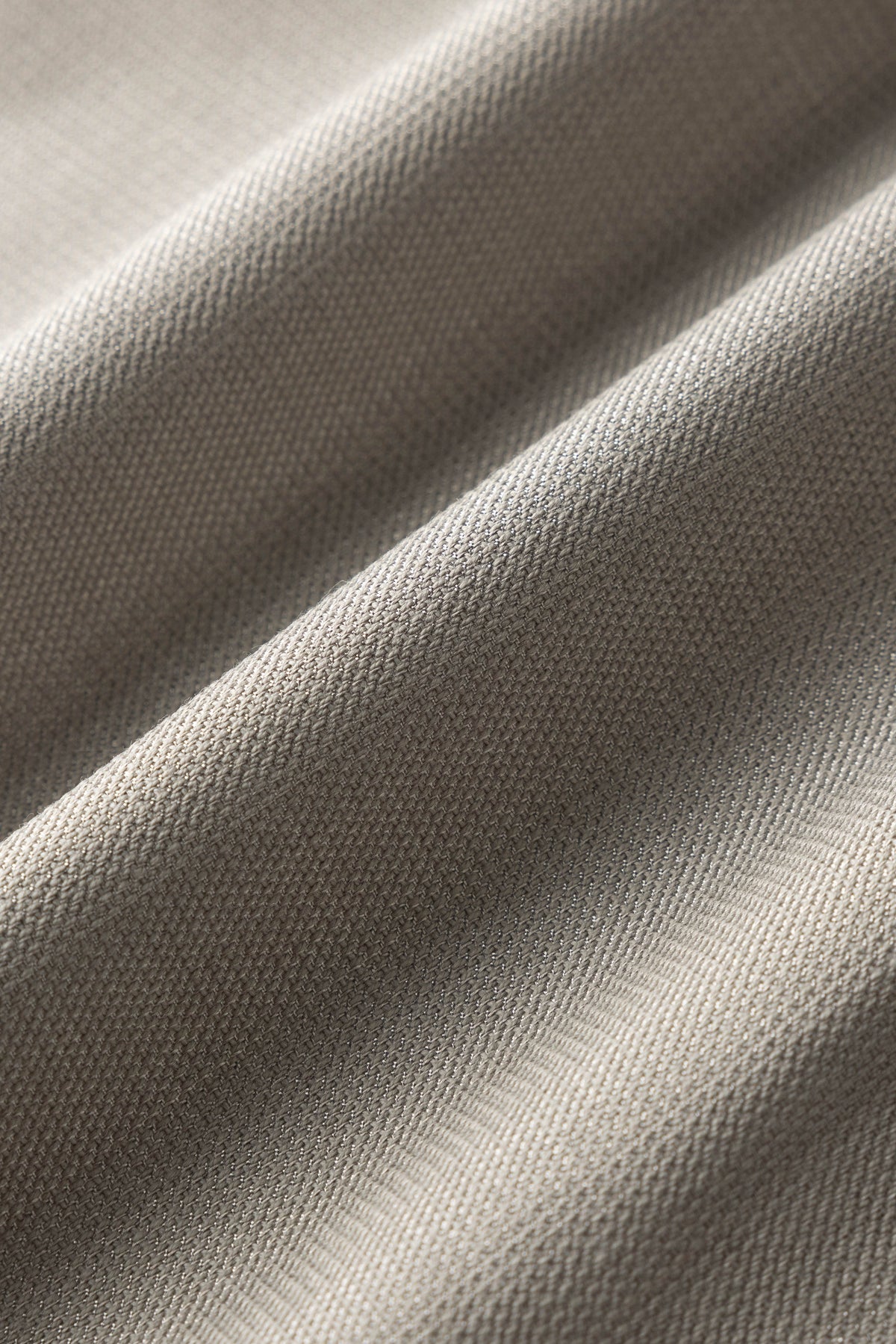
Soft and breathable, cotton gives silver-blended fabrics a familiar hand, natural comfort and everyday versatility.
Smooth and fluid, bamboo-based fiber gives silver-blended fabrics a soft surface, light drape and refined comfort.
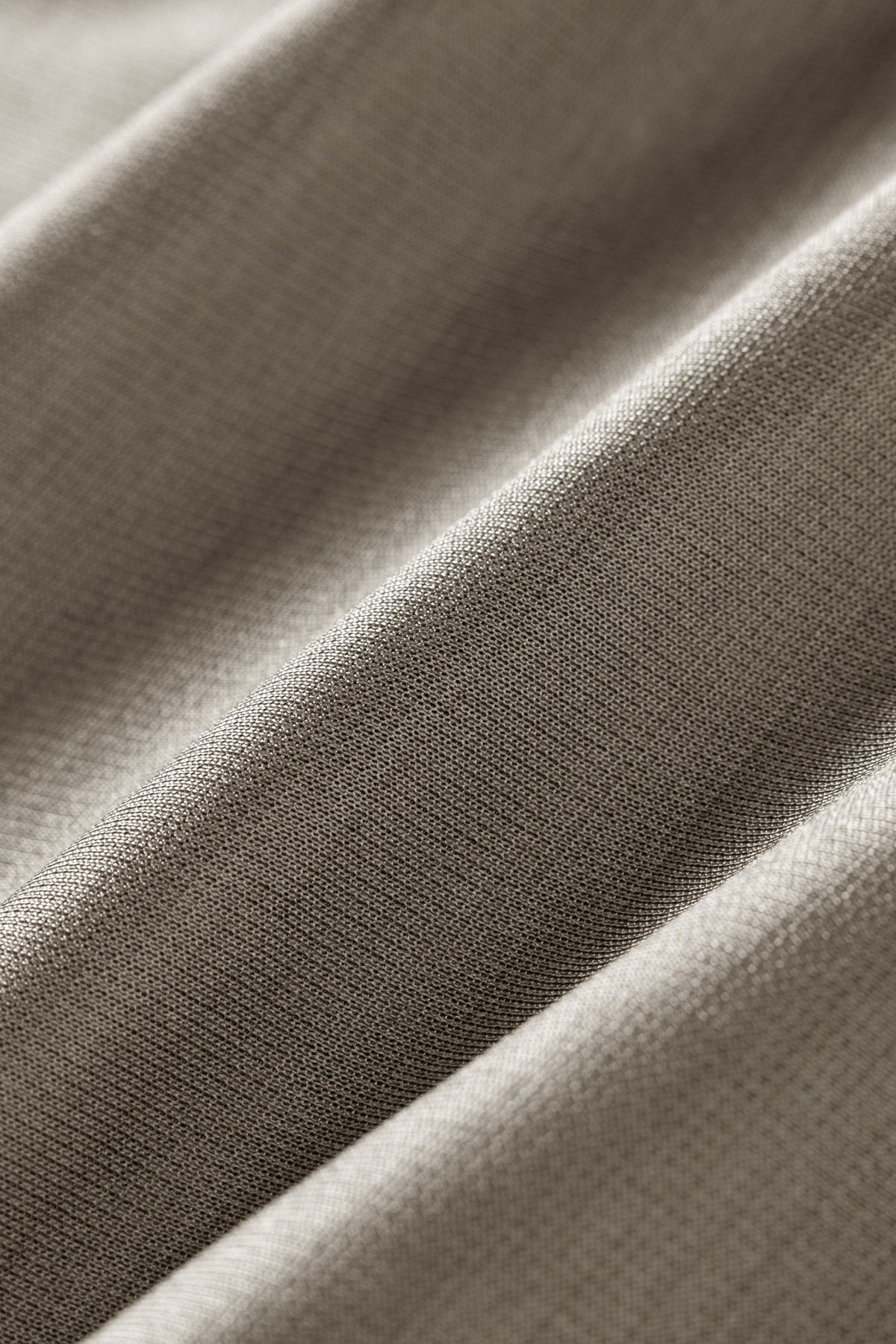
Soft and smooth, modal gives silver-blended fabrics fluid drape, breathable comfort and a refined hand.
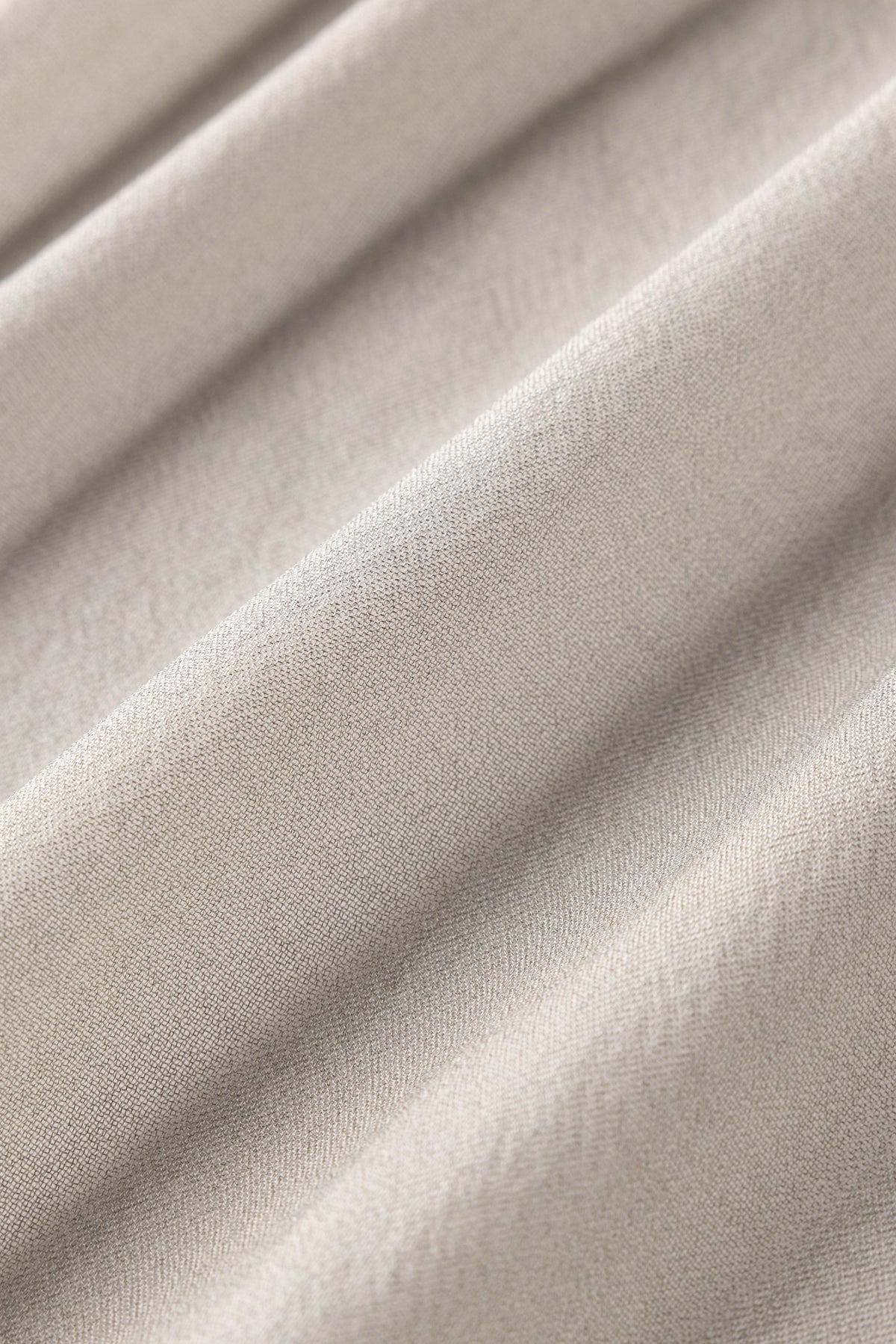
Strong and flexible, nylon gives silver-blended fabrics resilient stretch, lasting durability and structural support.
COLOR & MATERIAL
Silver-coated yarn is not usually dyed after metallization, because conventional dyeing can discolor or damage the conductive silver surface.
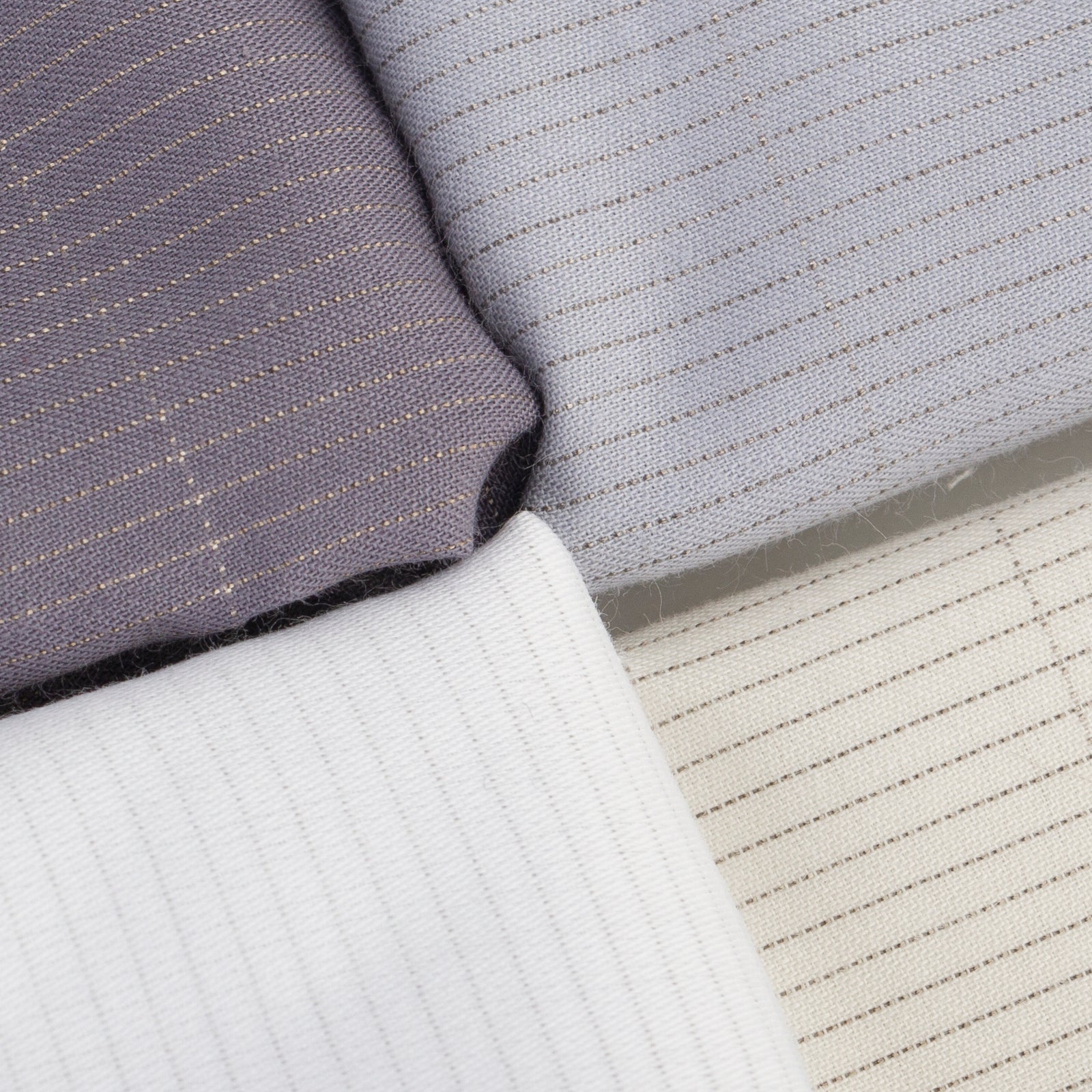
Instead, color comes from pre-dyed companion fibers such as cotton or polyester. Their color and placement can create vivid shades, soft neutrals, heather effects and patterns while preserving the silver pathways. Final appearance and electrical performance should be verified for each construction.


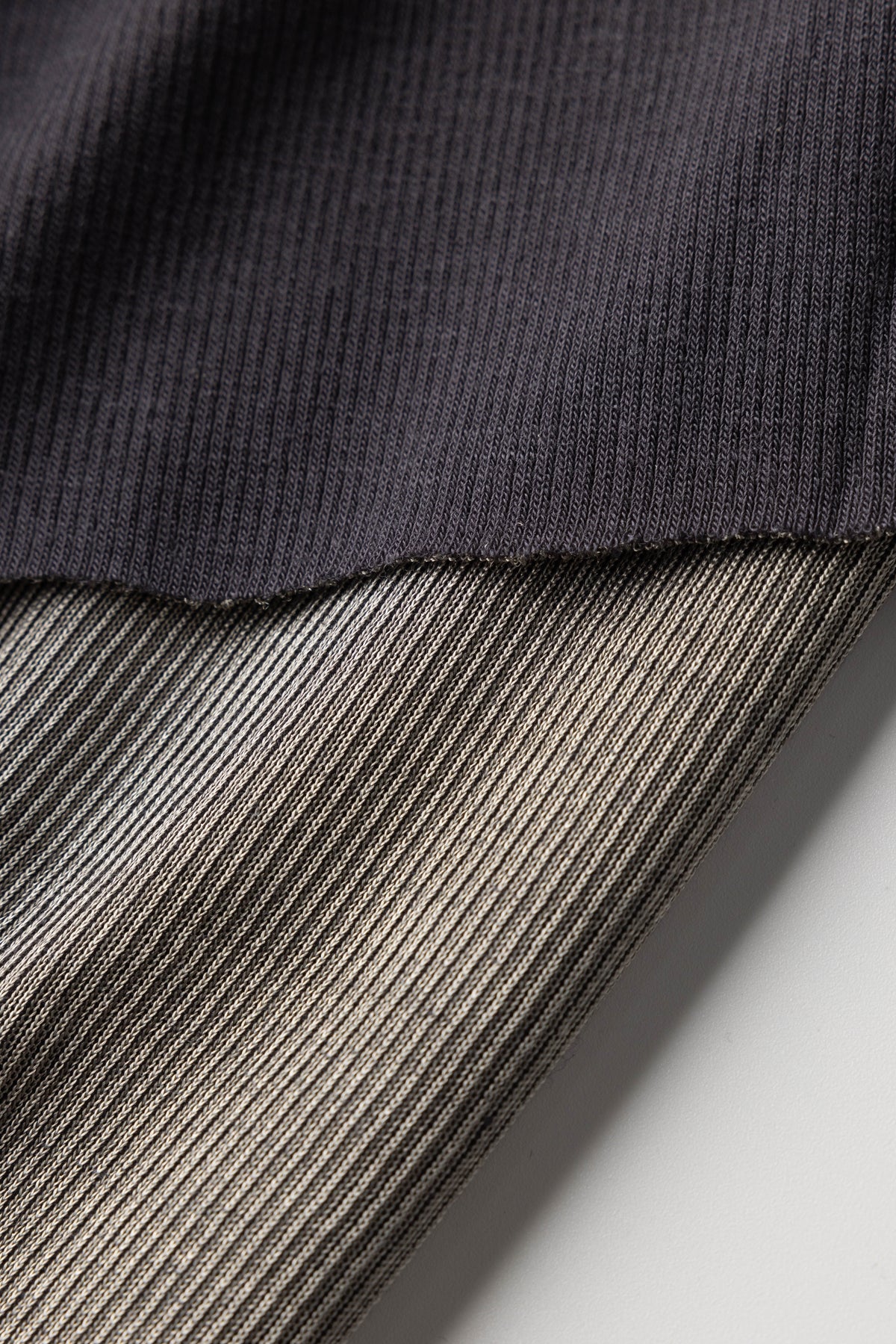
With darker companion fibers, the difference between the front and silver-dominant back is more subtle.


With lighter companion fibers, the color is more clearly visible through the silver-dominant back.
FUNCTIONAL RANGE
Silver fiber can change textile performance even at a low share. The result depends on how much is used, how it is distributed and whether the conductive path stays connected.
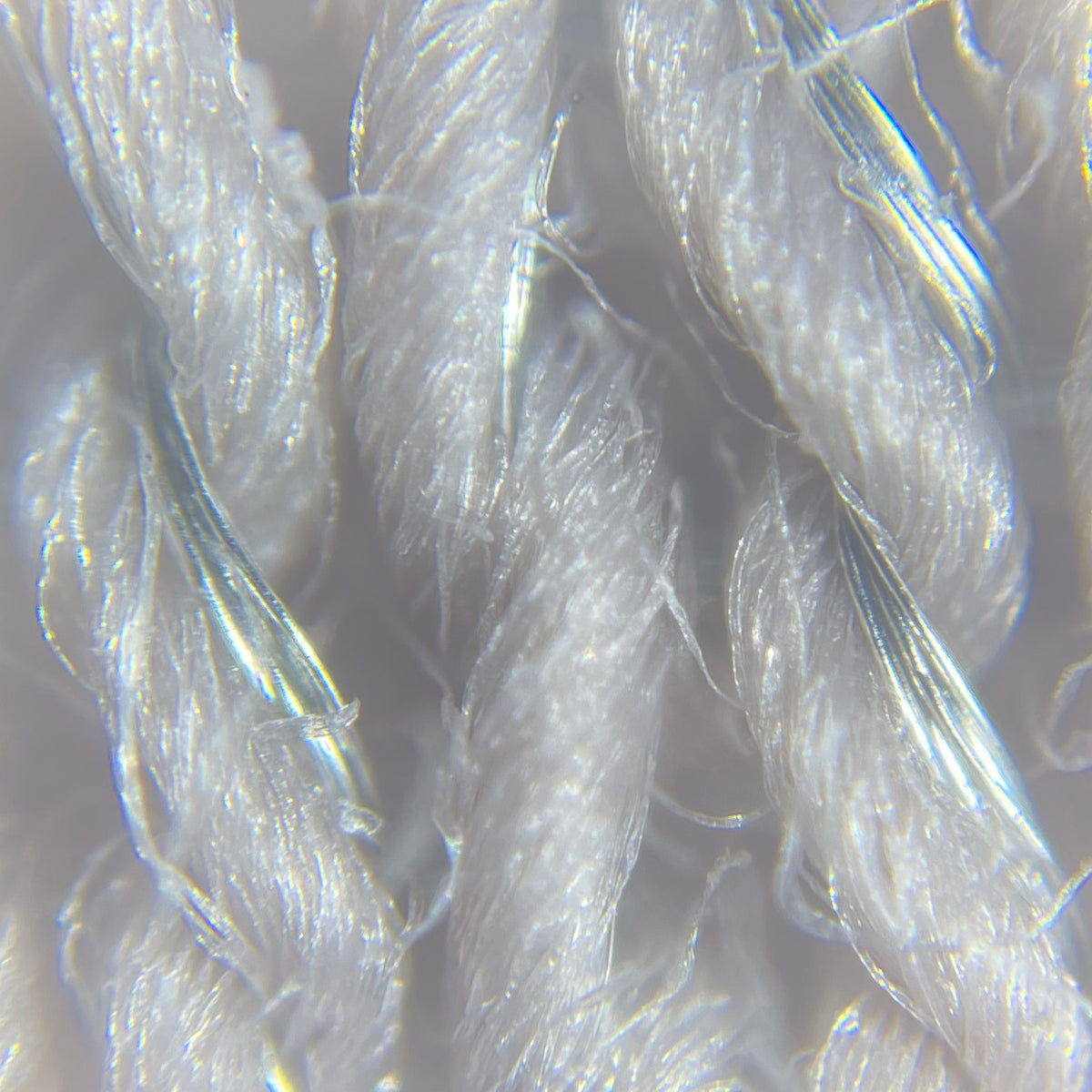
A small amount can add conductivity while keeping the fabric familiar in look and feel.
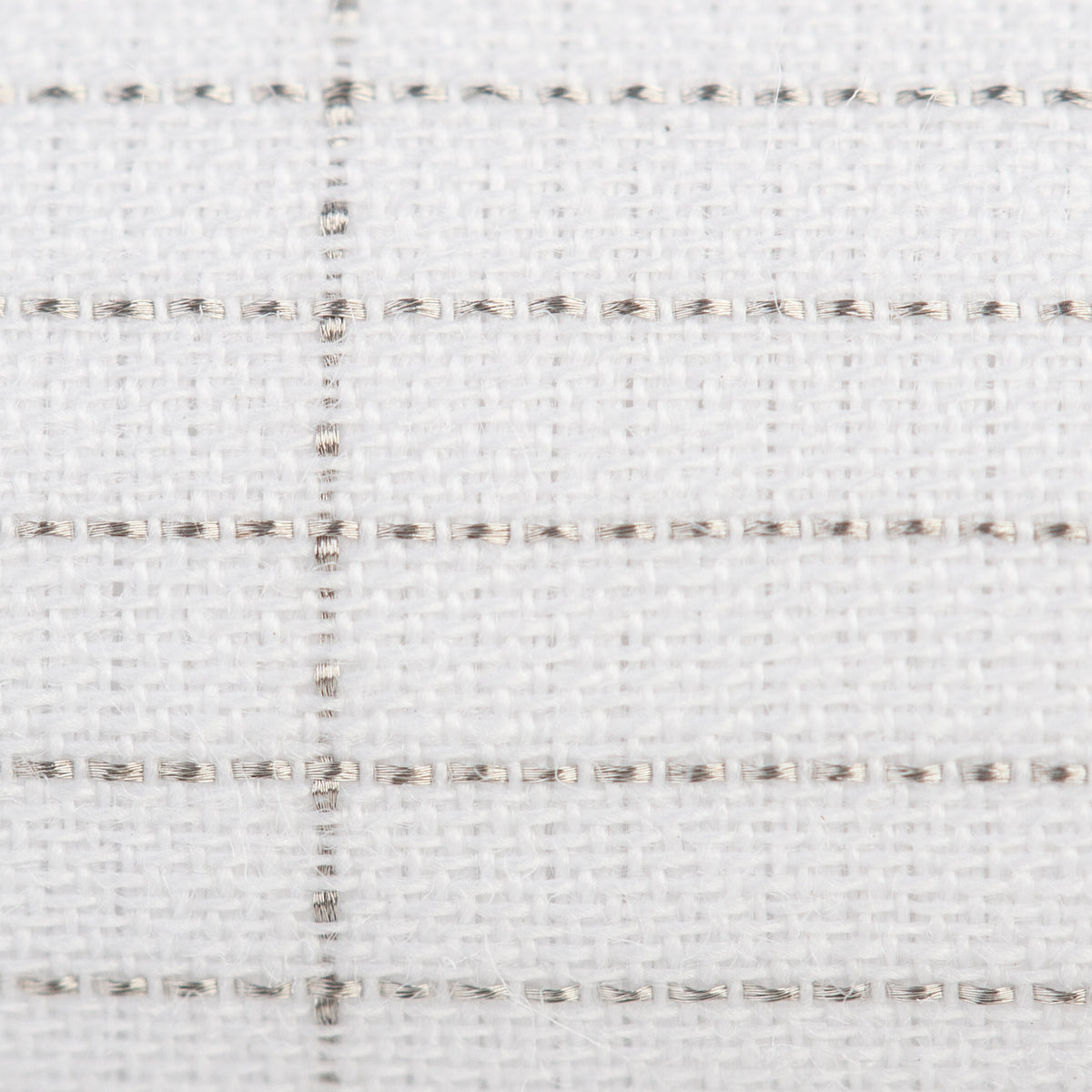
Even spacing extends the conductive effect across more of the textile surface.
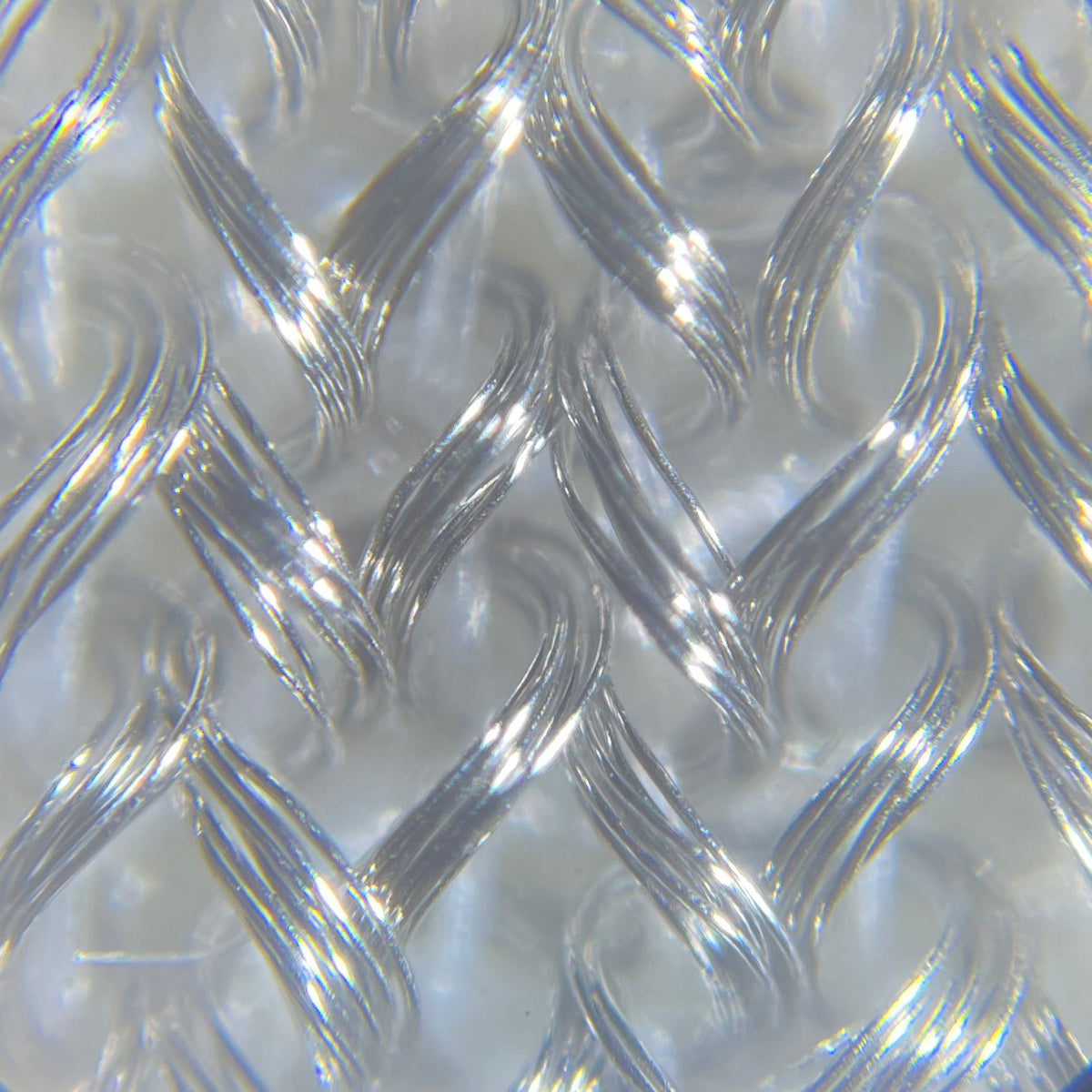
Connected pathways support more consistent conductivity across the fabric.
OUR APPROACH
Fabric design is the work of balancing many variables: fiber, yarn, color, structure, density, stretch, drape and function. With silver fiber, even a small change in one variable can create a textile that looks, feels and performs differently.
We see silver fiber not only as a technical material, but as a design element. Our aim is to use the textile structures we understand best to bring technical performance and contemporary fabric design closer together.