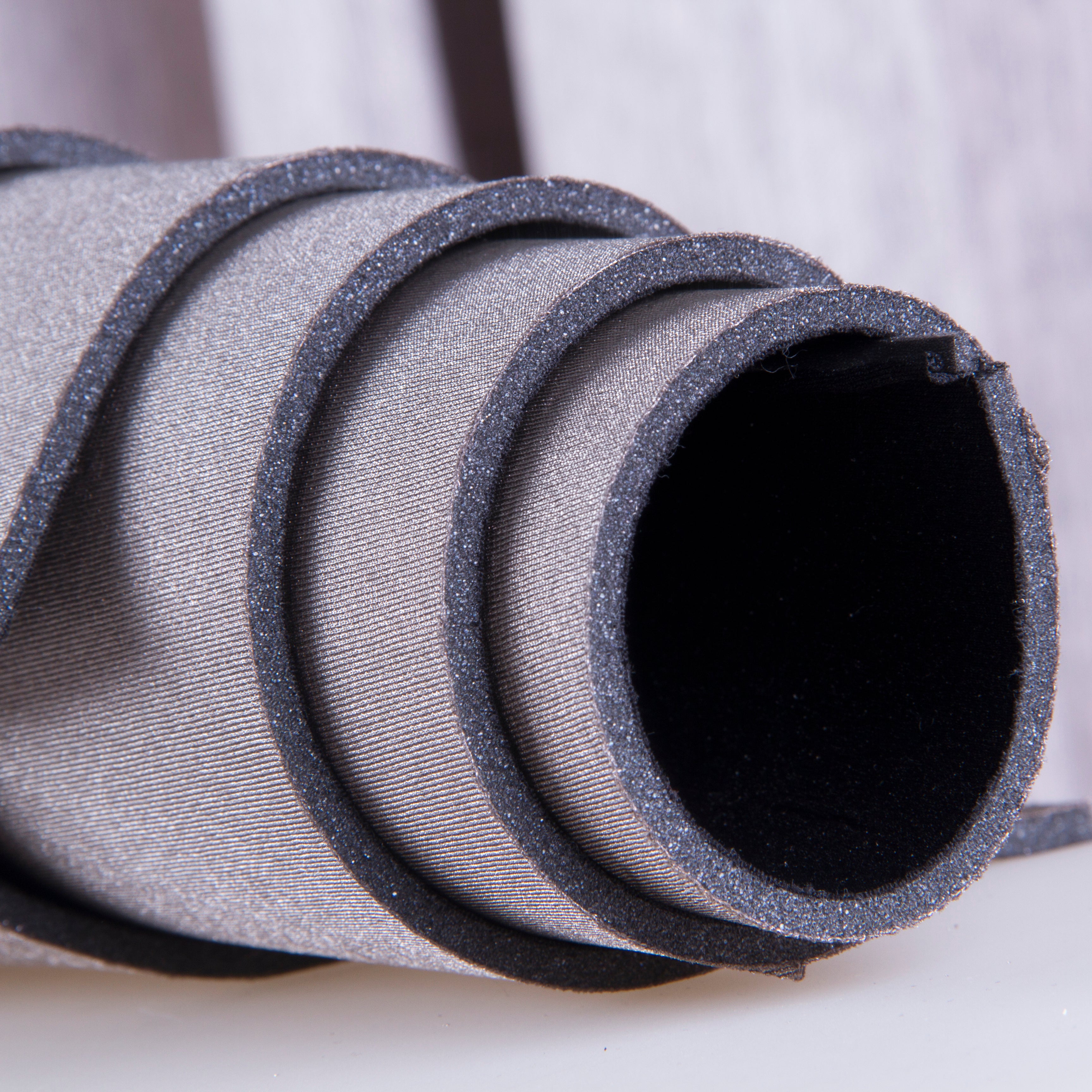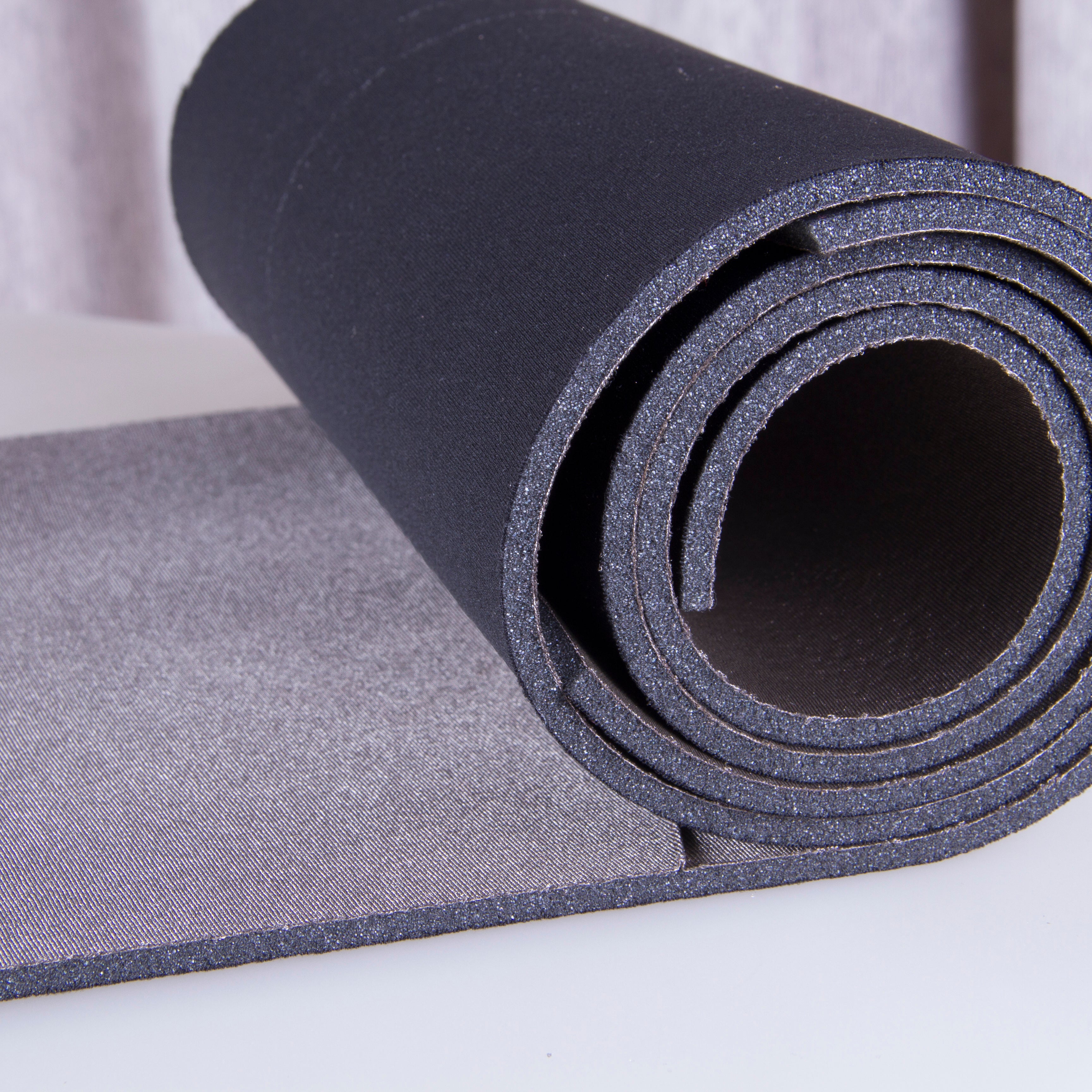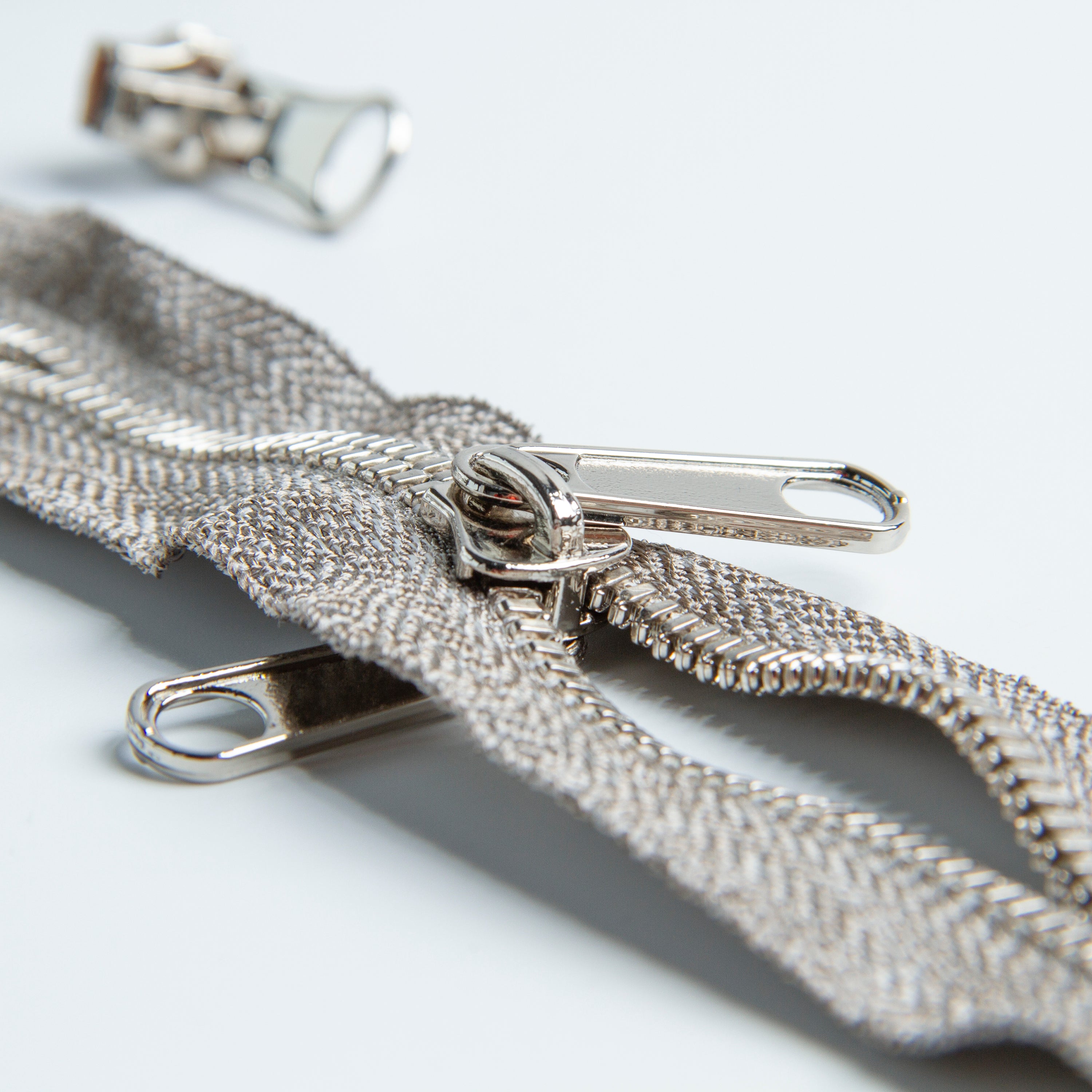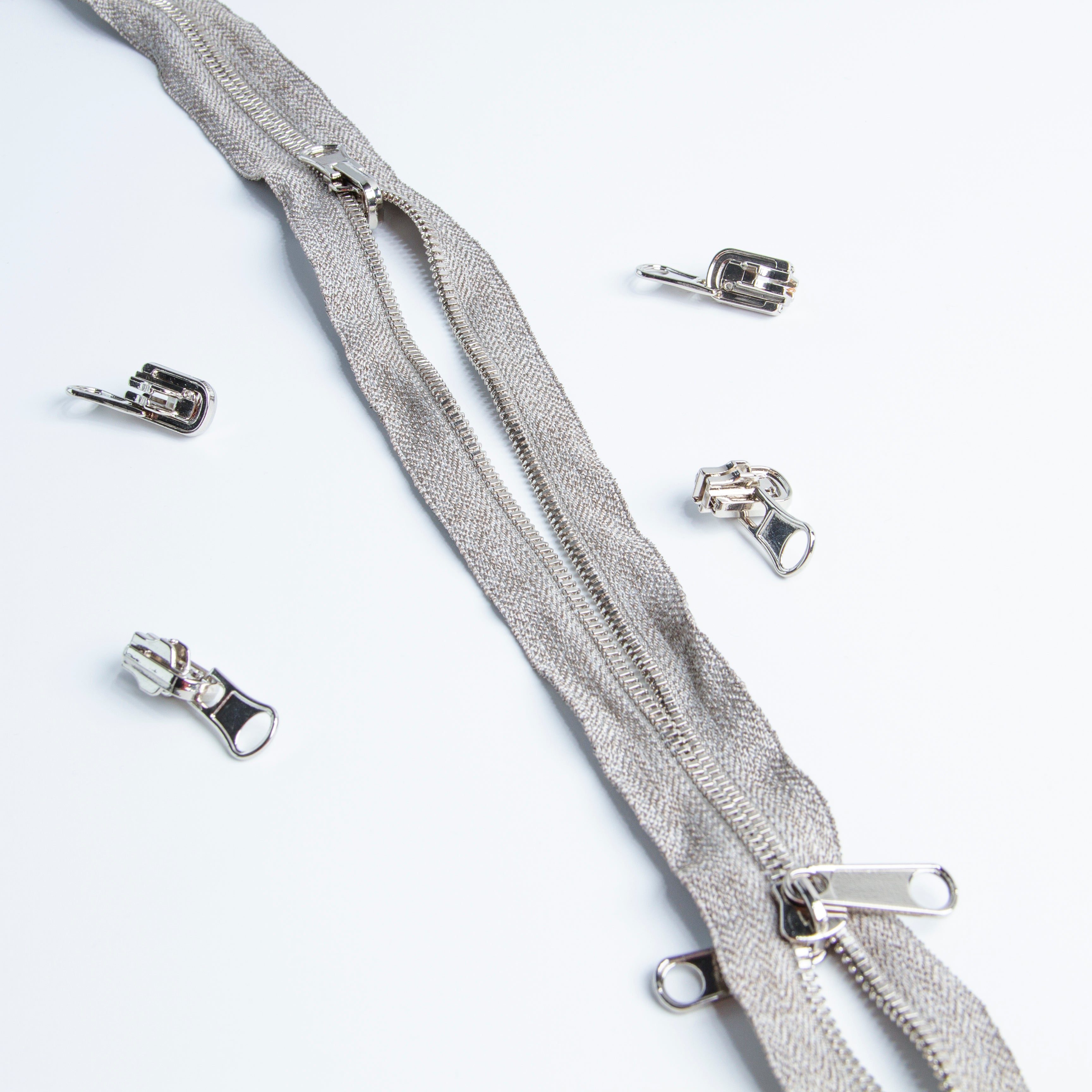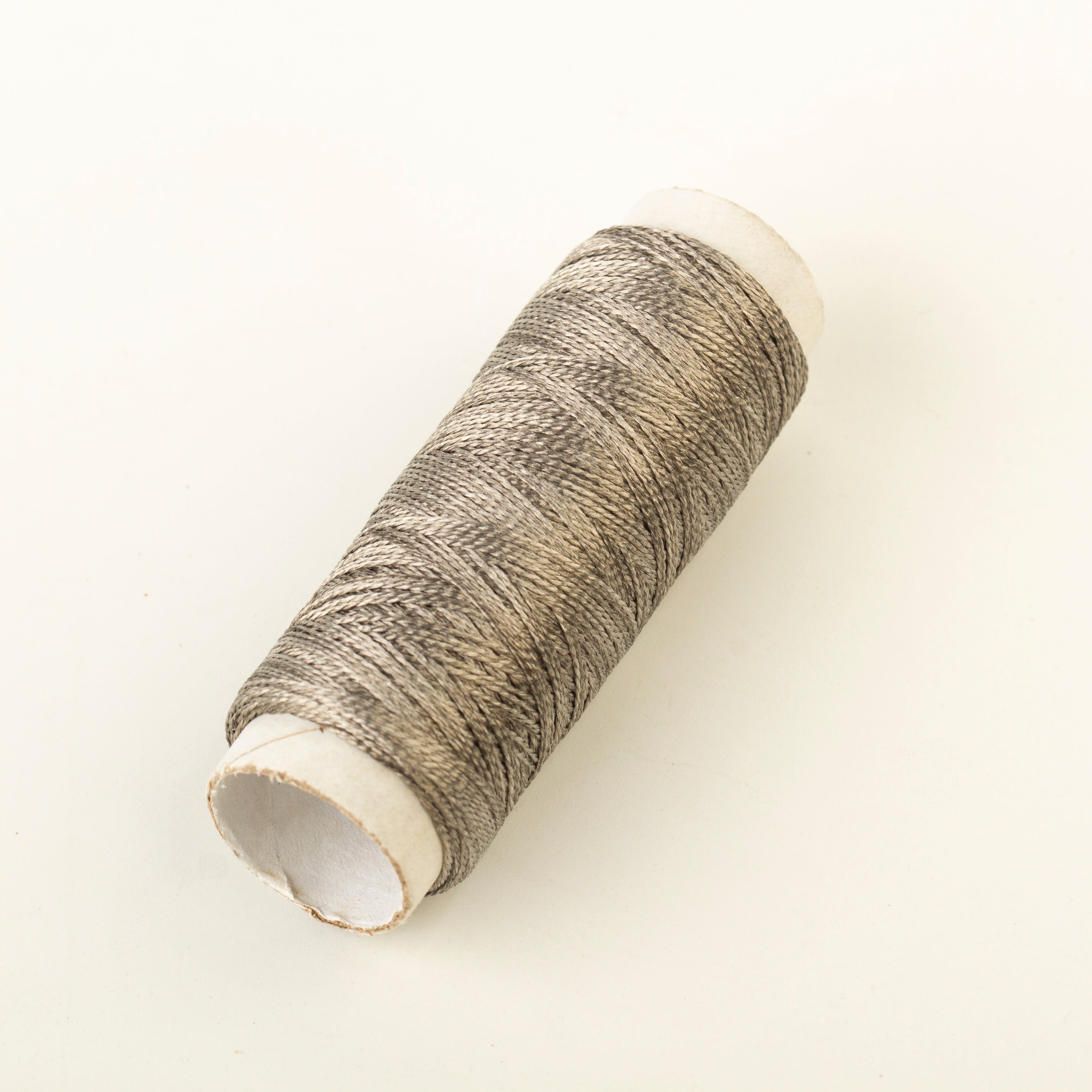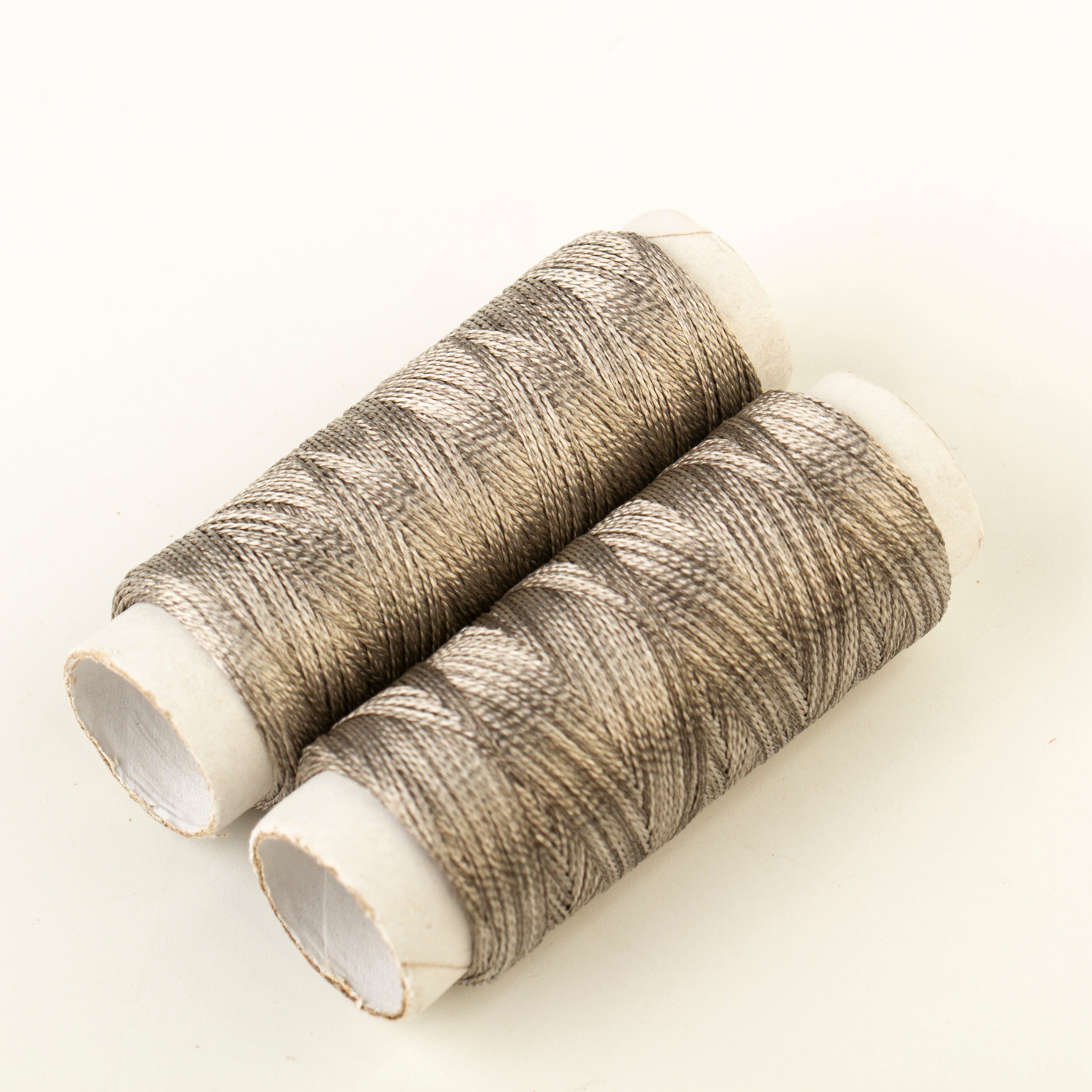
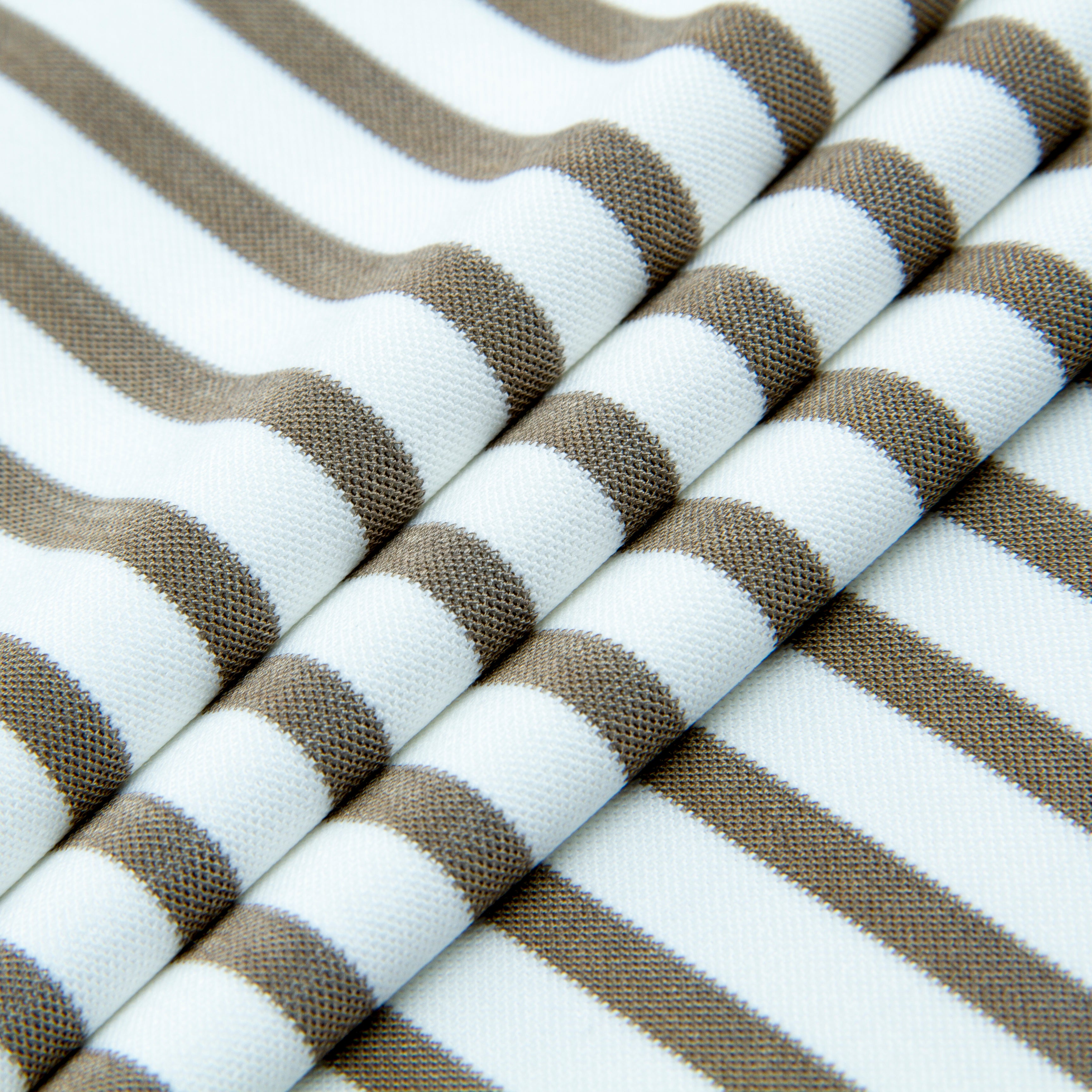
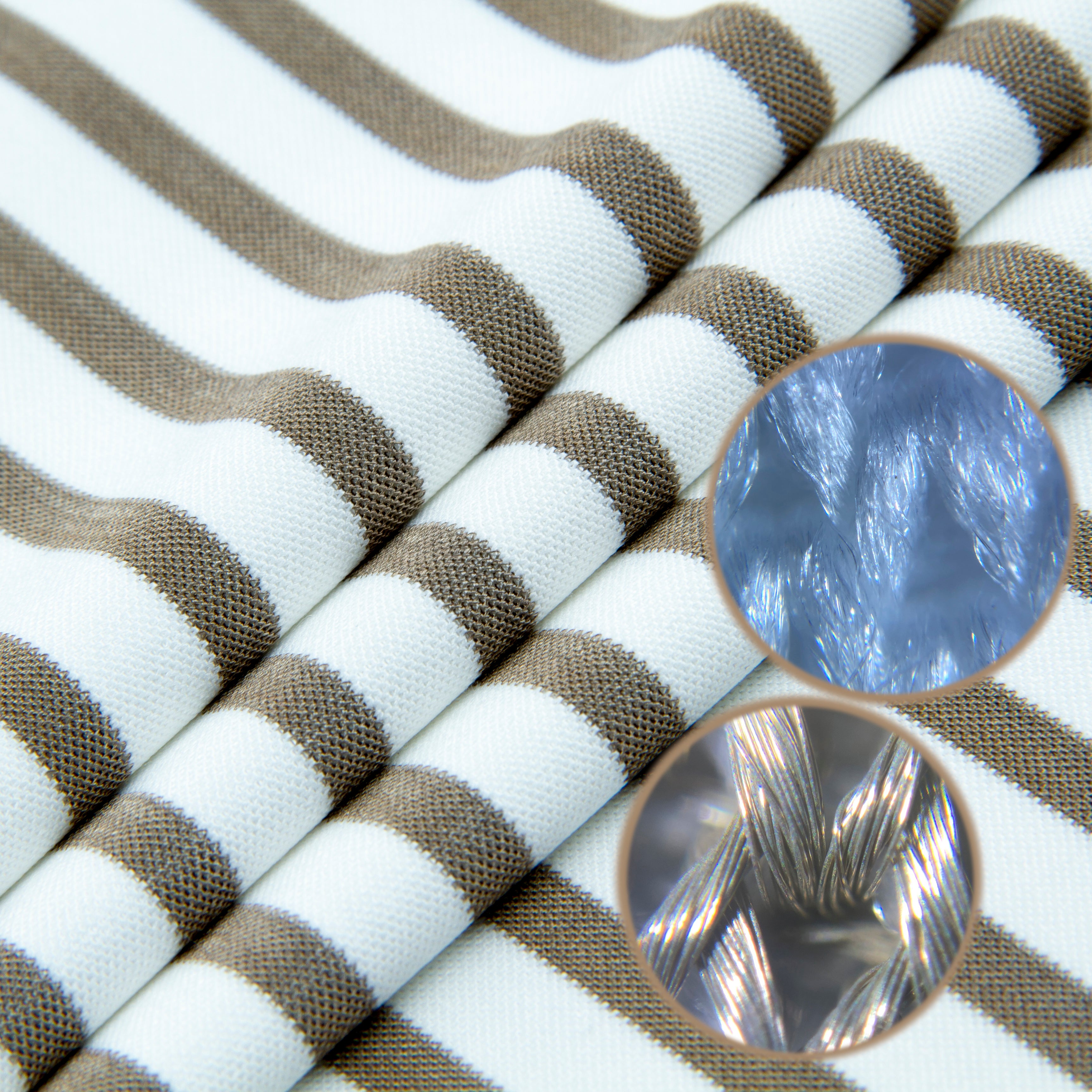
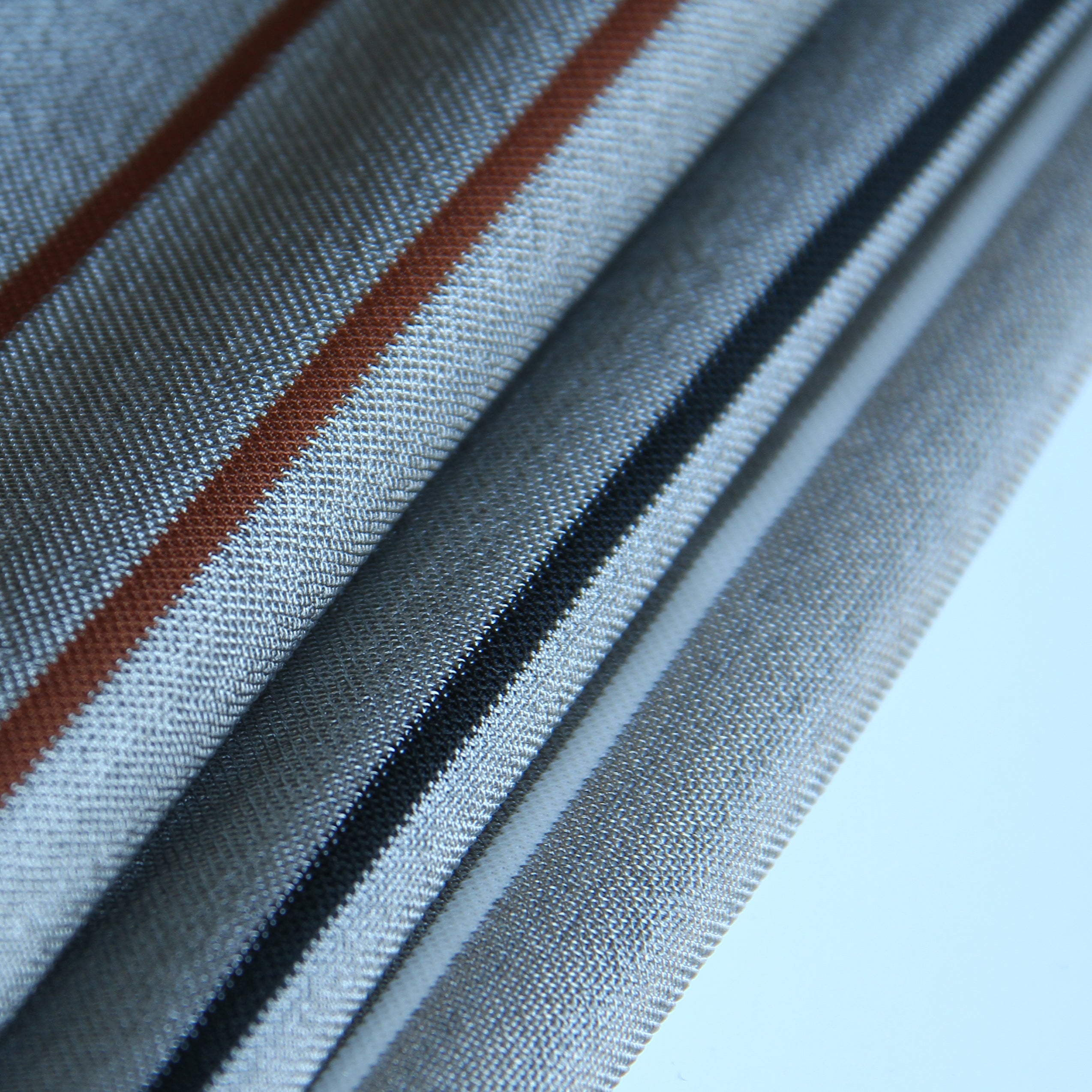
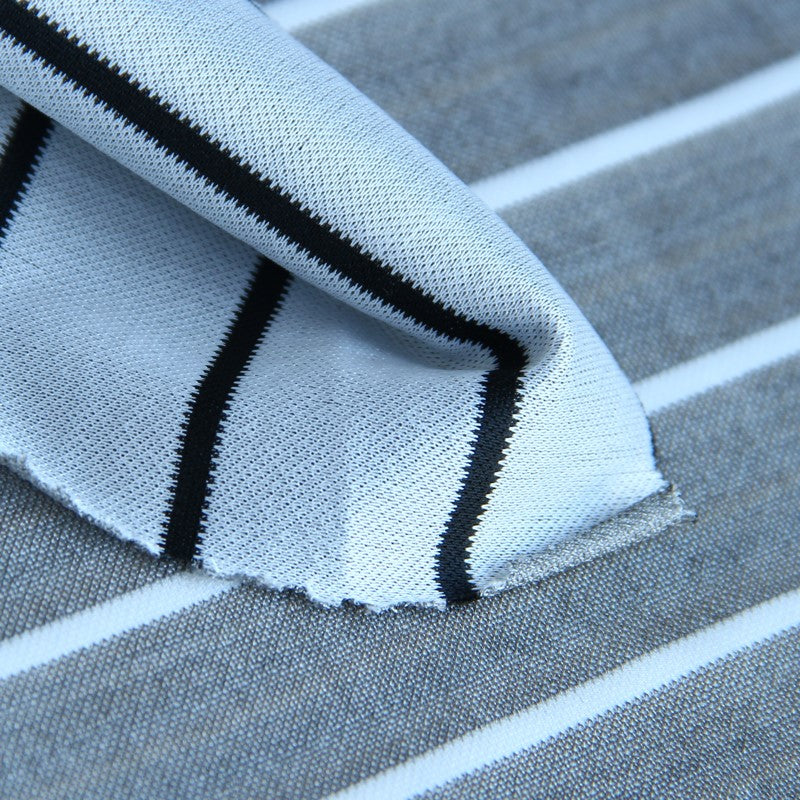
Silver Conductive Textile Zebra Pattern for FSR Sensor Pressure Sensing Material
Silver Conductive Textile Zebra Pattern for FSR Sensor Pressure Sensing Material
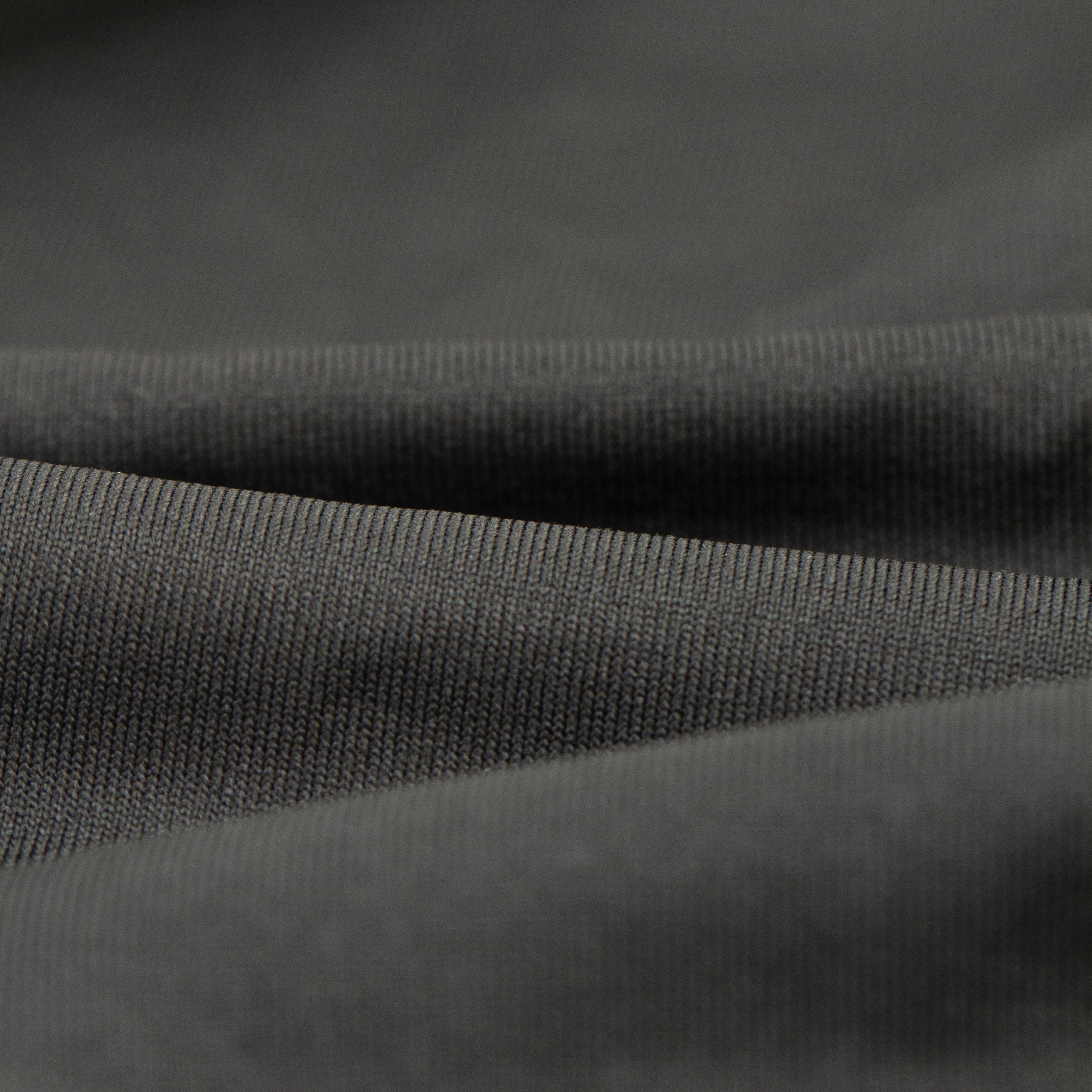
Innovative Zebra Pattern Silver Conductive Textile for advanced FSR pressure sensing. This specialized fabric changes its electrical properties under pressure, ideal for smart wearables and medical diagnostics.
Key Benefits:
- Precision Sensing: High-sensitivity zebra pattern allows for localized pressure detection in smart insoles and posture monitors.
- Flexible & Soft: Maintains the comfort of a standard textile while providing high-tech sensing capabilities.
- Dynamic Conductivity: Piezoresistive performance provides a wide range of detection for various force applications.
- Integrated Durability: Maintains performance through thousands of compression cycles for reliable long-term sensing.
Technical Specifications:
- Material: Conductive Silver-Plated Piezoresistive Fabric
- Sensing Pattern: Zebra Stripe (Precision Conductivity)
- Thickness: 0.2 mm
- Application: FSR sensors, gait analysis, smart textiles
Care Instructions:
Do not wash. Avoid sharp folds or creases. Store flat in a dry environment.
Compare
Product comparison
Give your customers useful information about your products and showcase differences between them.
Electrode
Piezoresistive
Silver
Carbon
0.1 -1 Ω
10⁴–10⁷ Ω
Piezoresistive Resistance Data Sheet
A sandwich structure using conductive PCB silver thin films on the top and bottom layers. Under a 0–2 kg applied force over a 1 cm-diameter contact area, the values shown represent the average of five measurements. This dataset serves as a material performance reference.

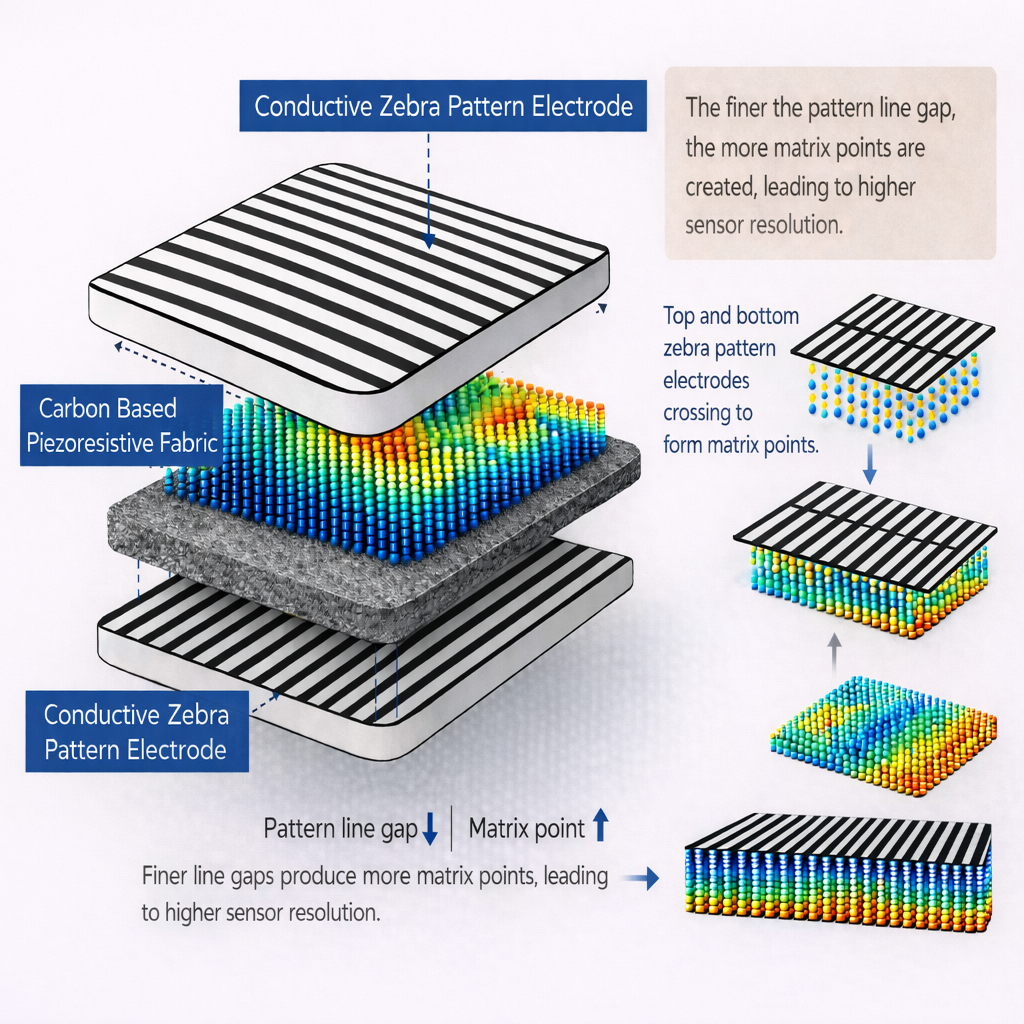
A piezoresistive textile sensor converts applied pressure into resistance changes using a layered fabric structure. Zebra-pattern conductive electrodes sandwich a carbon-based piezoresistive fabric. Under compression, internal contact points increase, lowering resistance. Finer electrode line spacing generates denser sensing matrices, improving spatial resolution, flexibility, and signal stability for wearables, soft robotics, and pressure-mapping systems.
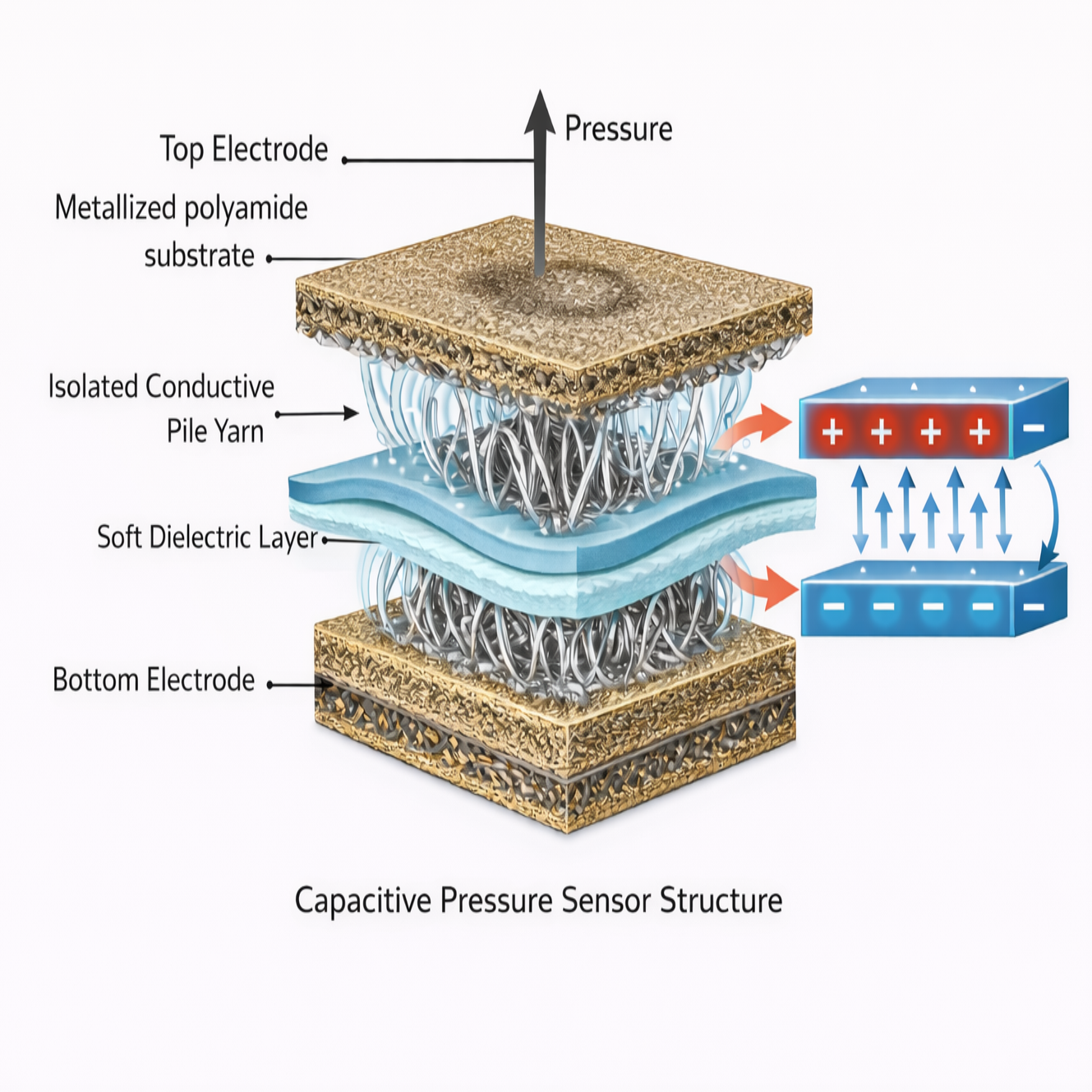
A capacitive textile sensor consists of flexible top and bottom conductive electrodes separated by a soft dielectric textile layer. When pressure is applied, the distance between electrodes decreases and the effective dielectric structure changes, resulting in a measurable capacitance variation. This fabric-based architecture provides excellent conformability, stable signal response, and reliable pressure sensing on curved or dynamic surfaces.
A piezoresistive textile sensor converts applied pressure into resistance changes using a layered fabric structure. Zebra-pattern conductive electrodes sandwich a carbon-based piezoresistive fabric. Under compression, internal contact points increase, lowering resistance. Finer electrode line spacing generates denser sensing matrices, improving spatial resolution, flexibility, and signal stability for wearables, soft robotics, and pressure-mapping systems.
A capacitive textile sensor consists of flexible top and bottom conductive electrodes separated by a soft dielectric textile layer. When pressure is applied, the distance between electrodes decreases and the effective dielectric structure changes, resulting in a measurable capacitance variation. This fabric-based architecture provides excellent conformability, stable signal response, and reliable pressure sensing on curved or dynamic surfaces.
Every sensing application comes with unique technical requirements
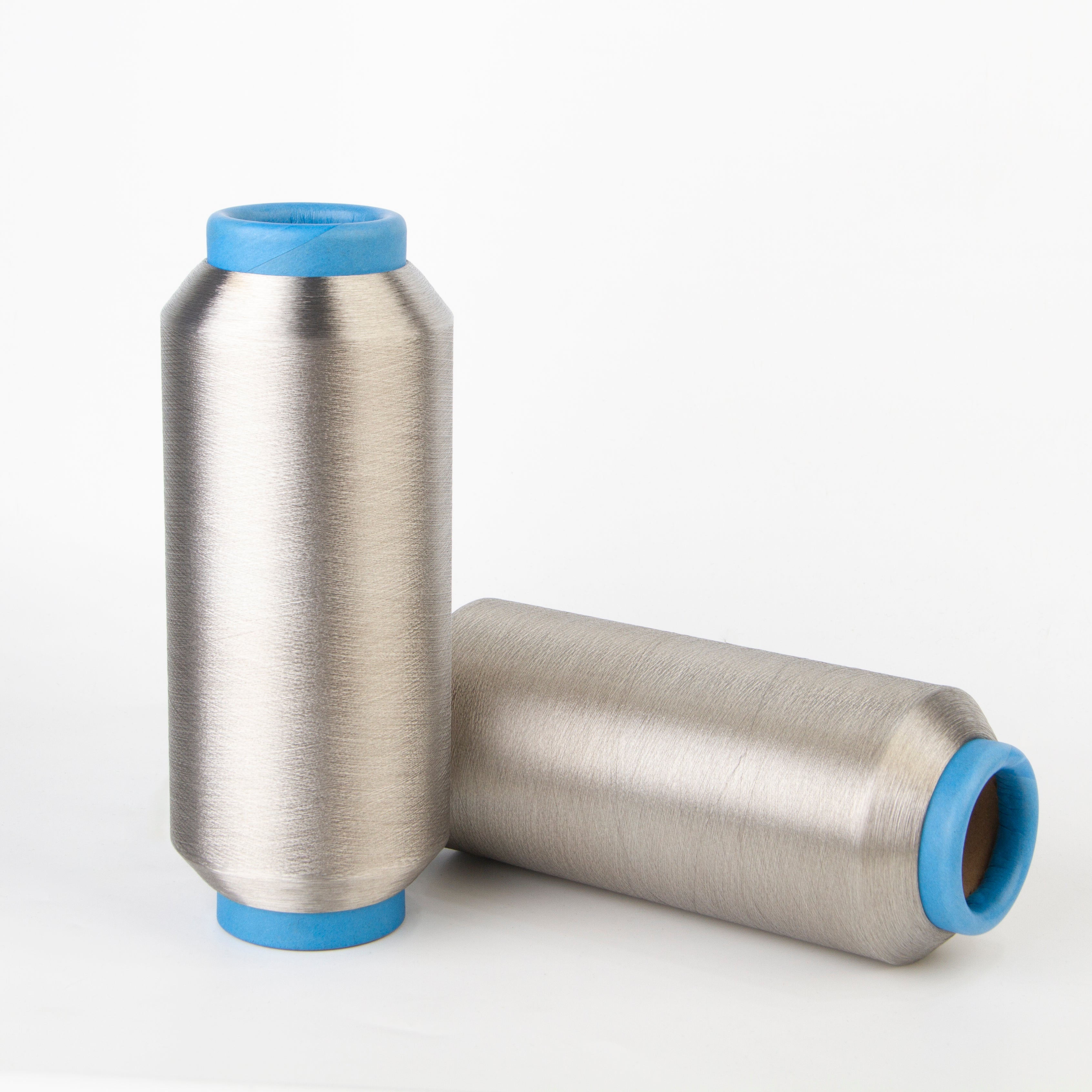
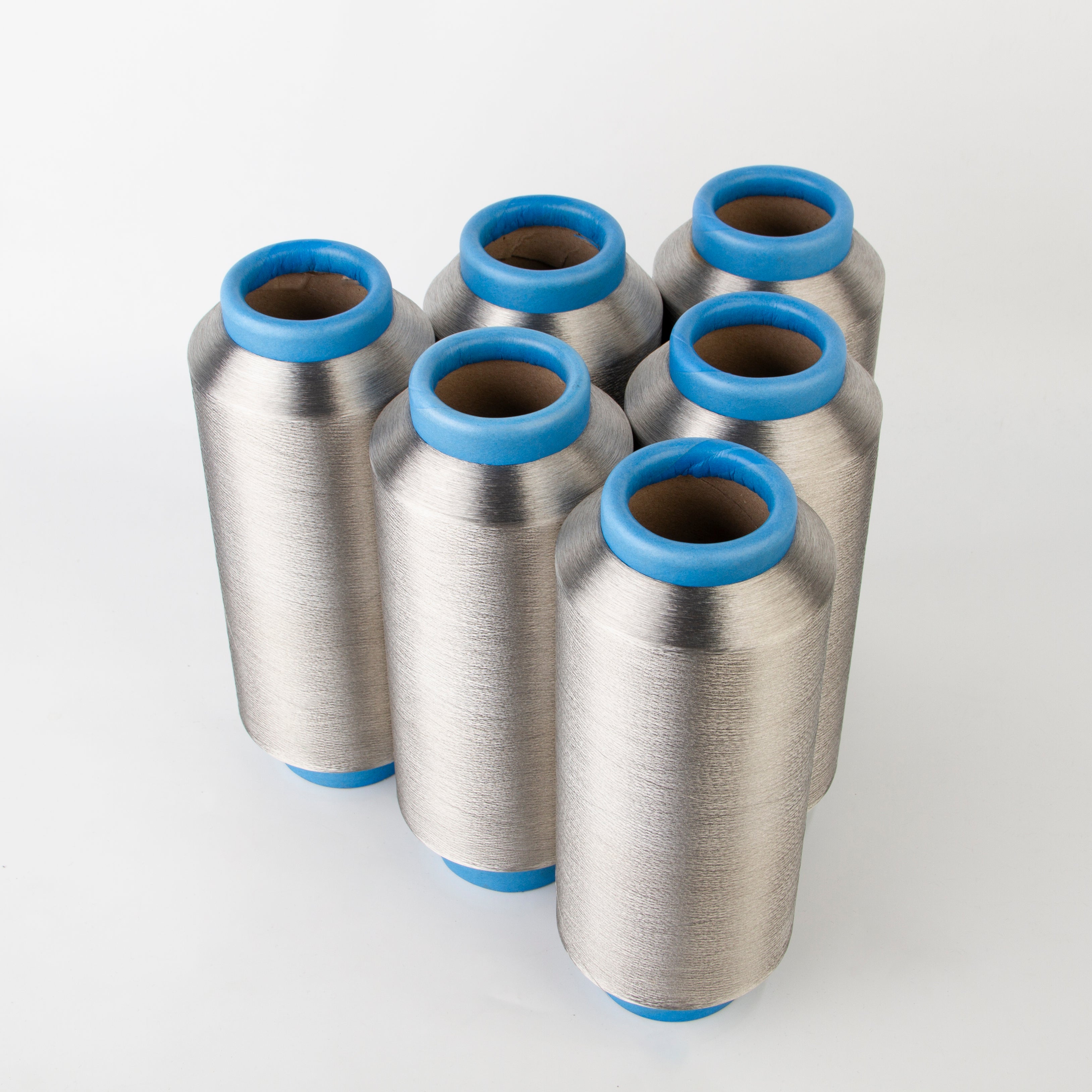
We provide flexible customization services across electrode layout, pattern geometry, and conductive textile structures. In addition to silver-based materials, we also offer alternative conductive options such as stainless steel and other alloy-based conductive textiles to meet different performance, durability, and cost targets.
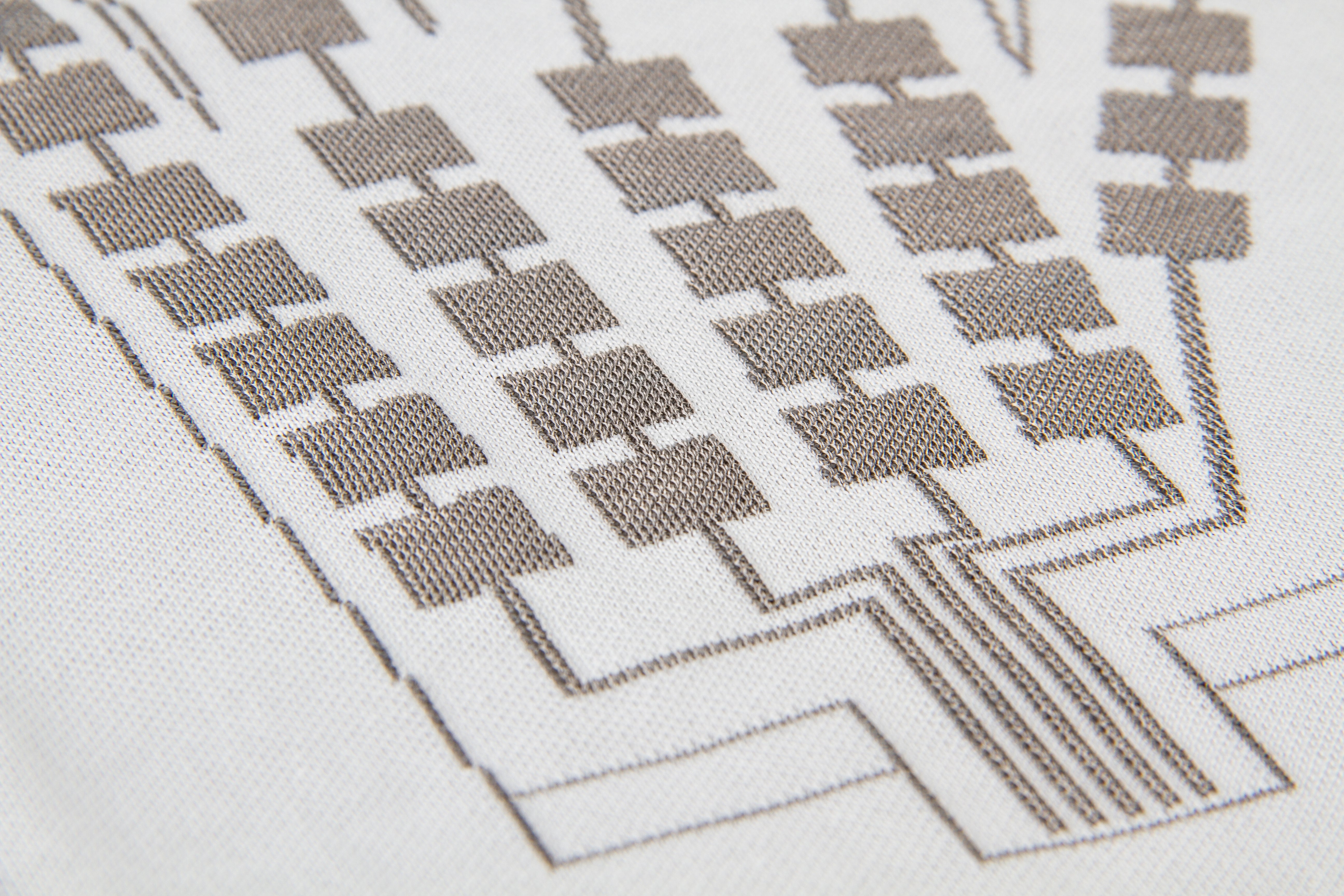
Matrix Layout
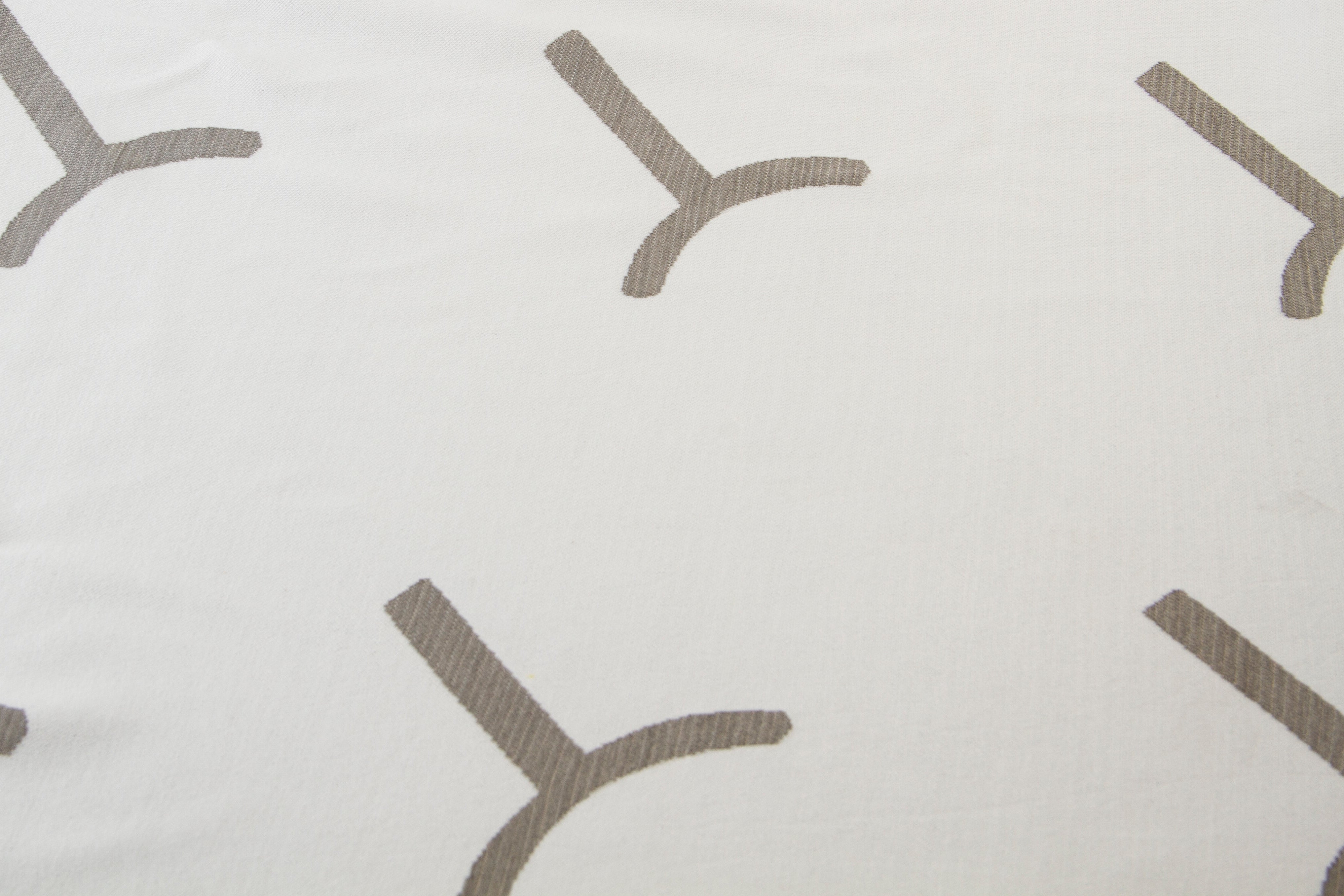
Flexible Trace
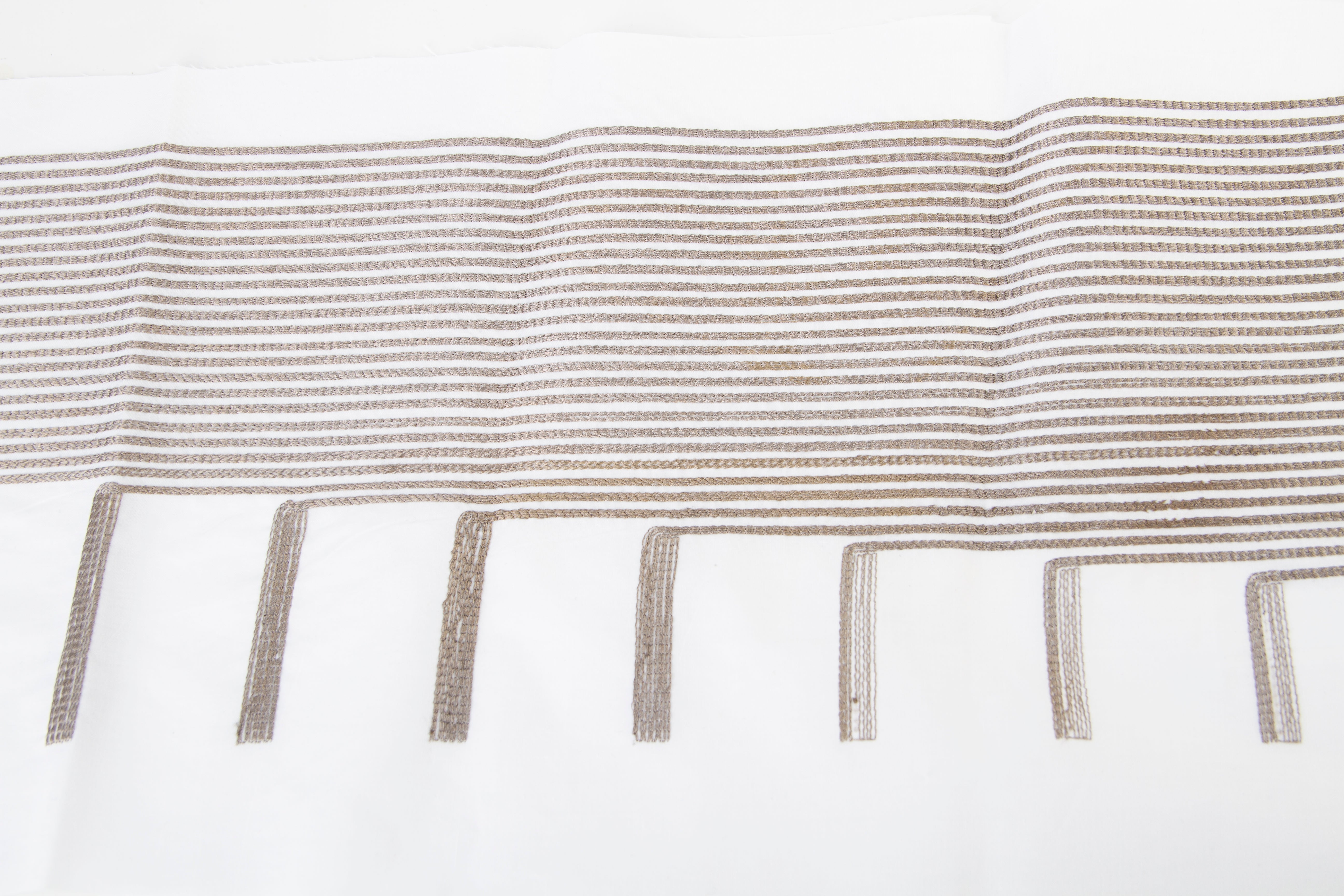
High Density Pattern
FAQ
Does the fabric maintain conductivity after long-term fatigue, folding, or abrasion?
Yes. The conductive network is integrated into the yarn or fabric structure, so it resists cracking or delamination. Unlike thin films or PCB traces, the textile architecture distributes mechanical stress across many fibers, allowing stable conductivity even after extensive folding, rubbing, or mechanical fatigue.
How does humidity, temperature, or sweat affect surface resistance and signal consistency?
Environmental effects vary by material. Carbon-based textiles show minimal drift, while silver or copper coatings may oxidize more quickly. Stainless-steel and carbon-based options offer much stronger stability, with some passing 72-hour salt-spray testing. The best choice depends on the customer’s performance and environmental requirements.
Can the fabric be customized in resistance range, GSM, yarn type, or structure for specific sensing needs?
Yes. We understand that every sensing design is different, and many applications require customized solutions rather than standard products. Our conductive textiles can be tailored in surface resistance, GSM, yarn composition, and fabric structure to meet specific performance targets such as sensitivity, response curve, durability, or integration method.
You may also like