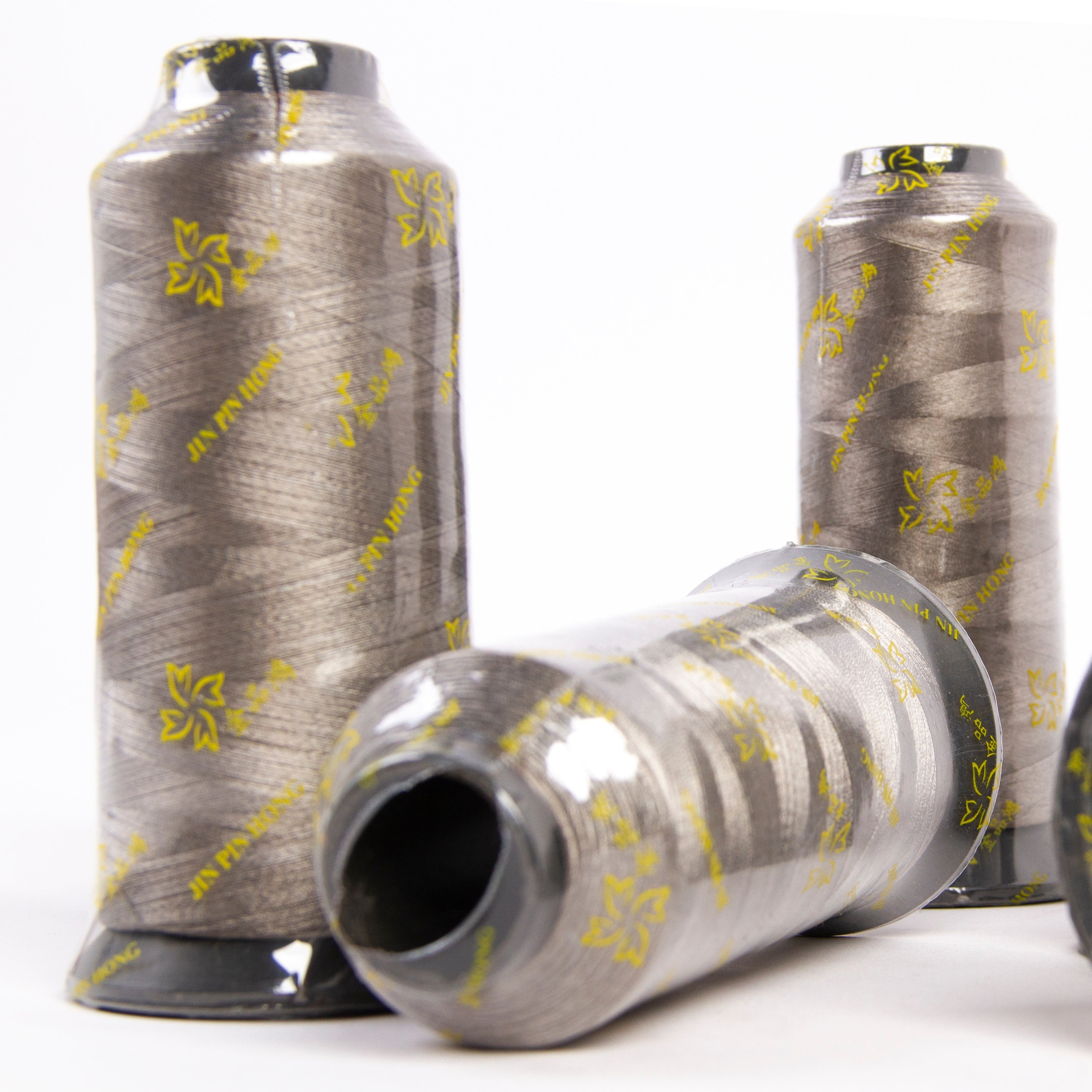
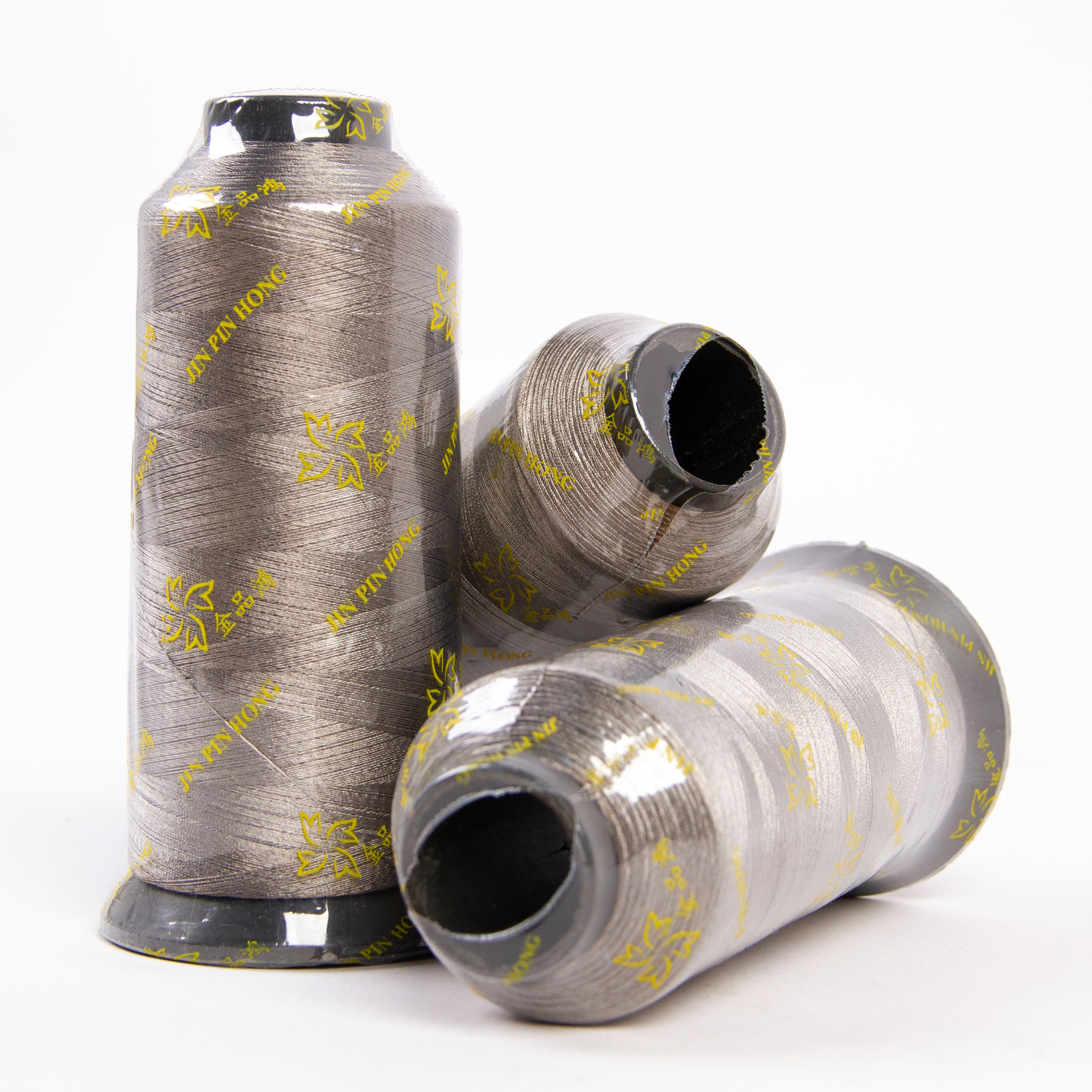
Silver Conductive Sewing Thread Anti Static Metallic Thread for Smart Textiles
Silver Conductive Sewing Thread Anti Static Metallic Thread for Smart Textiles
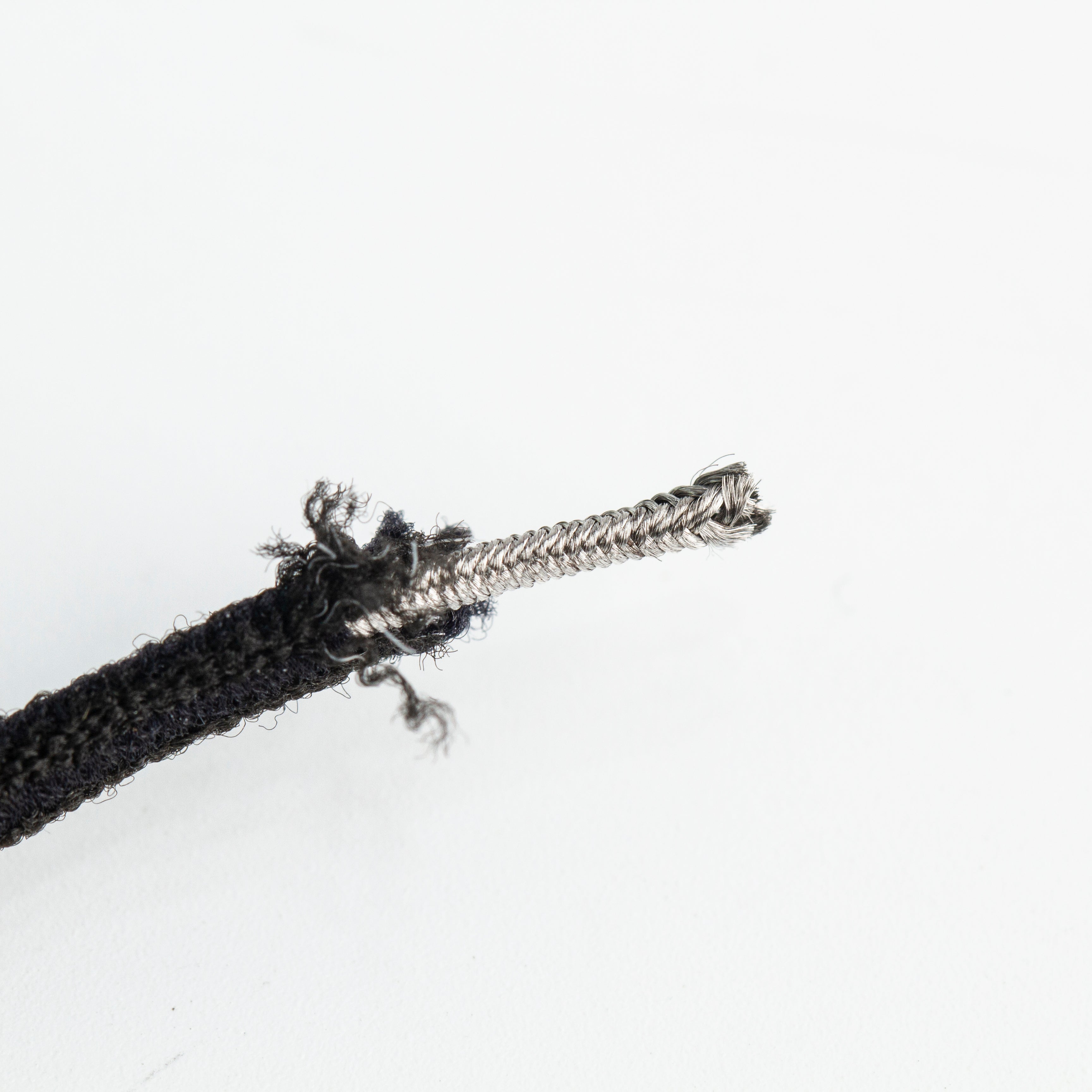
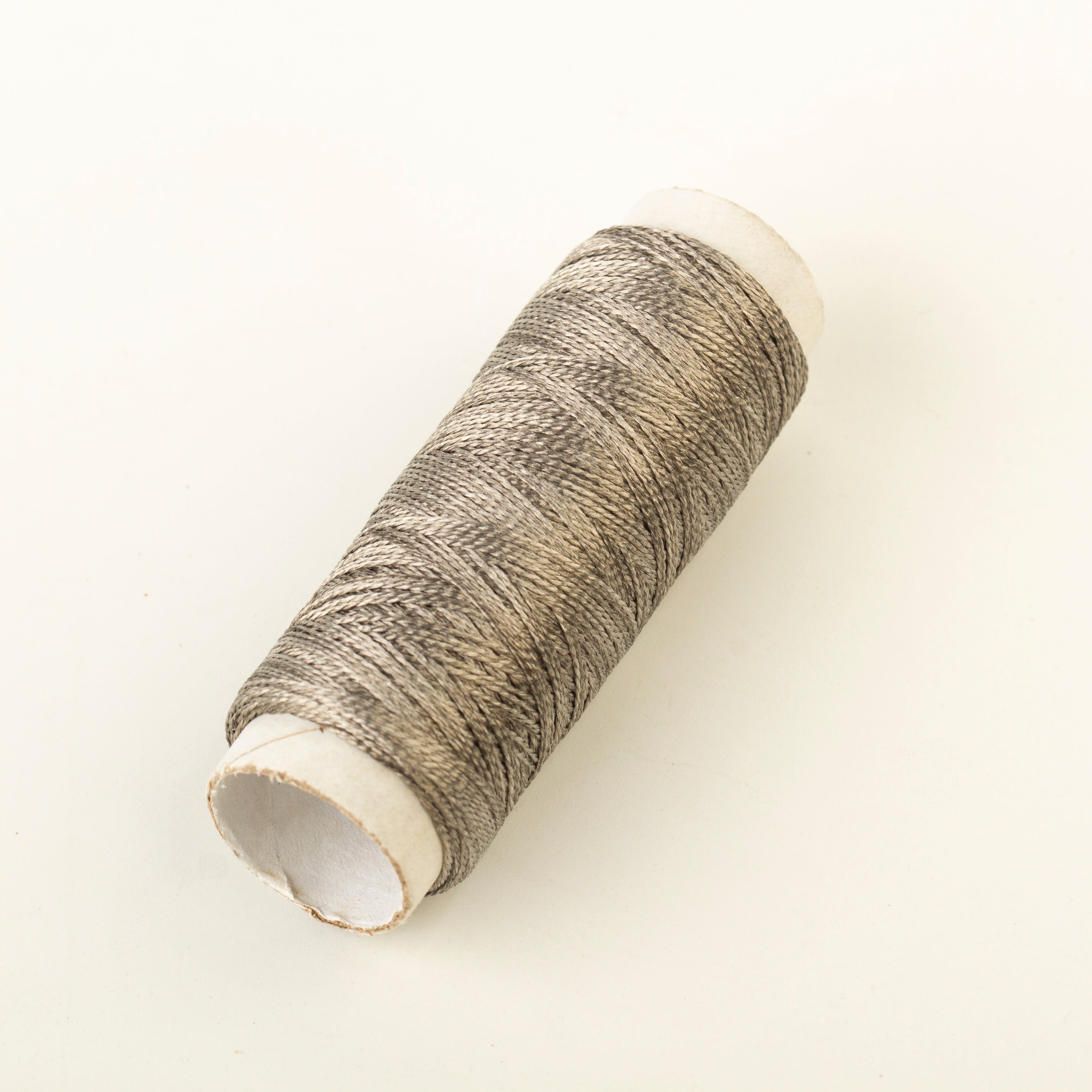
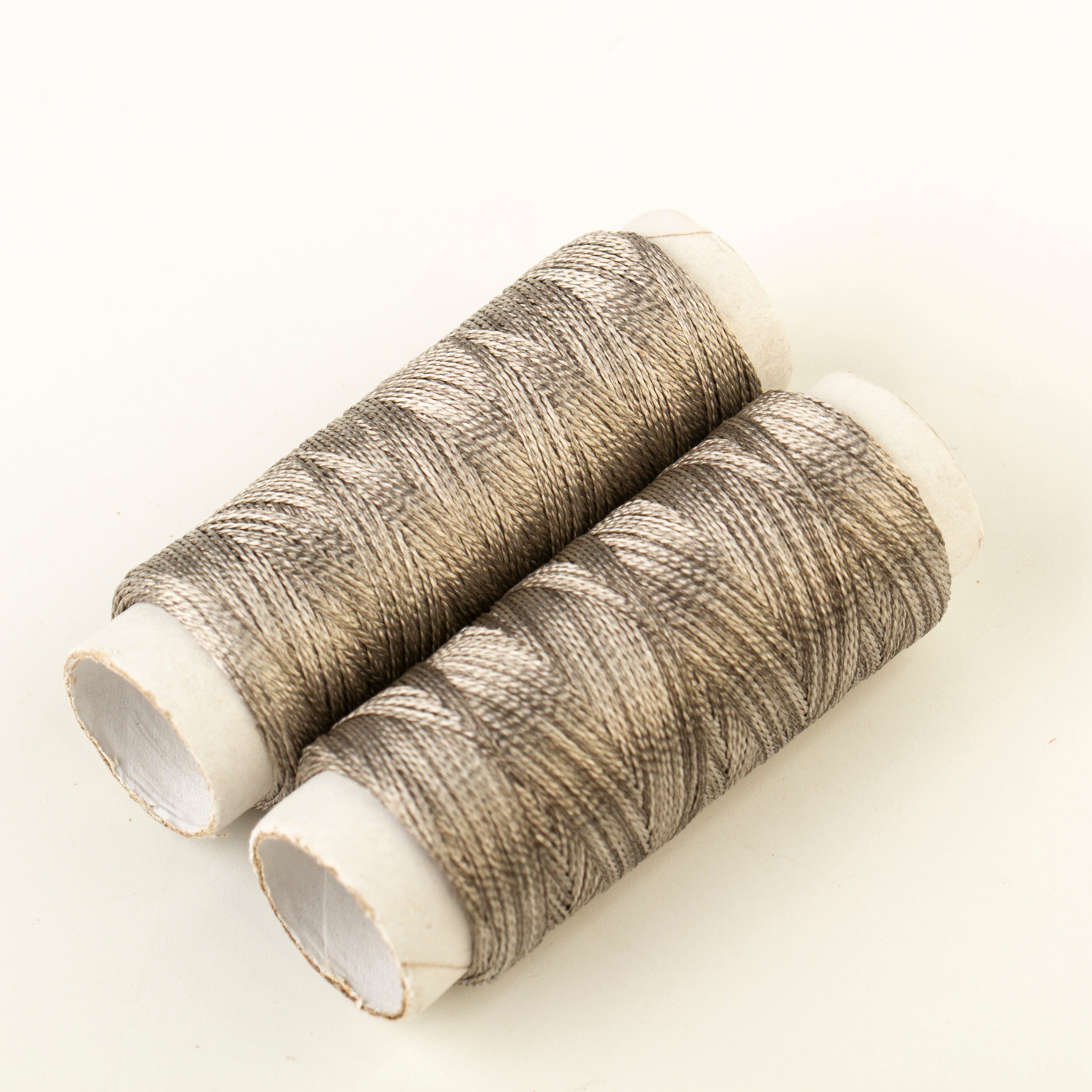
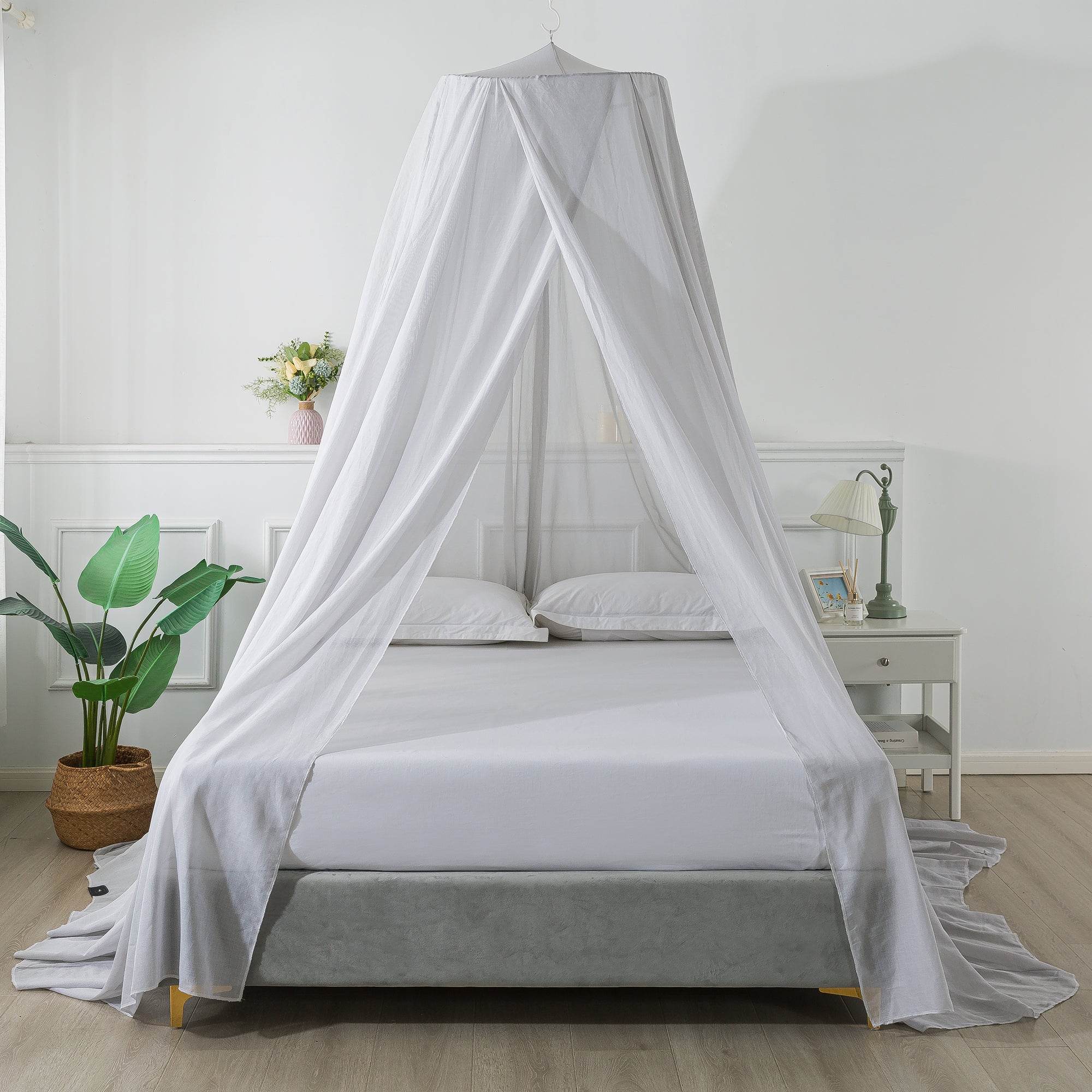
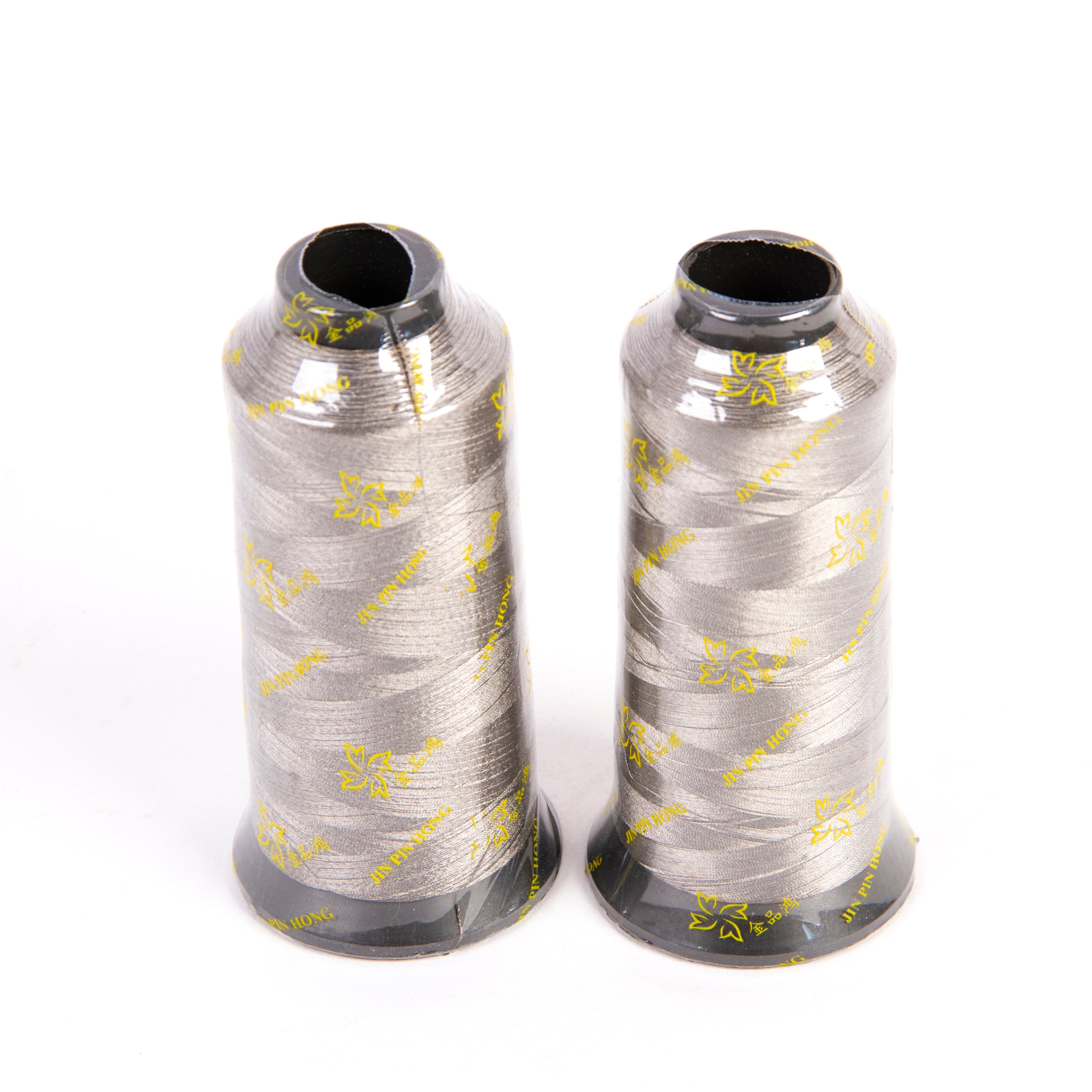
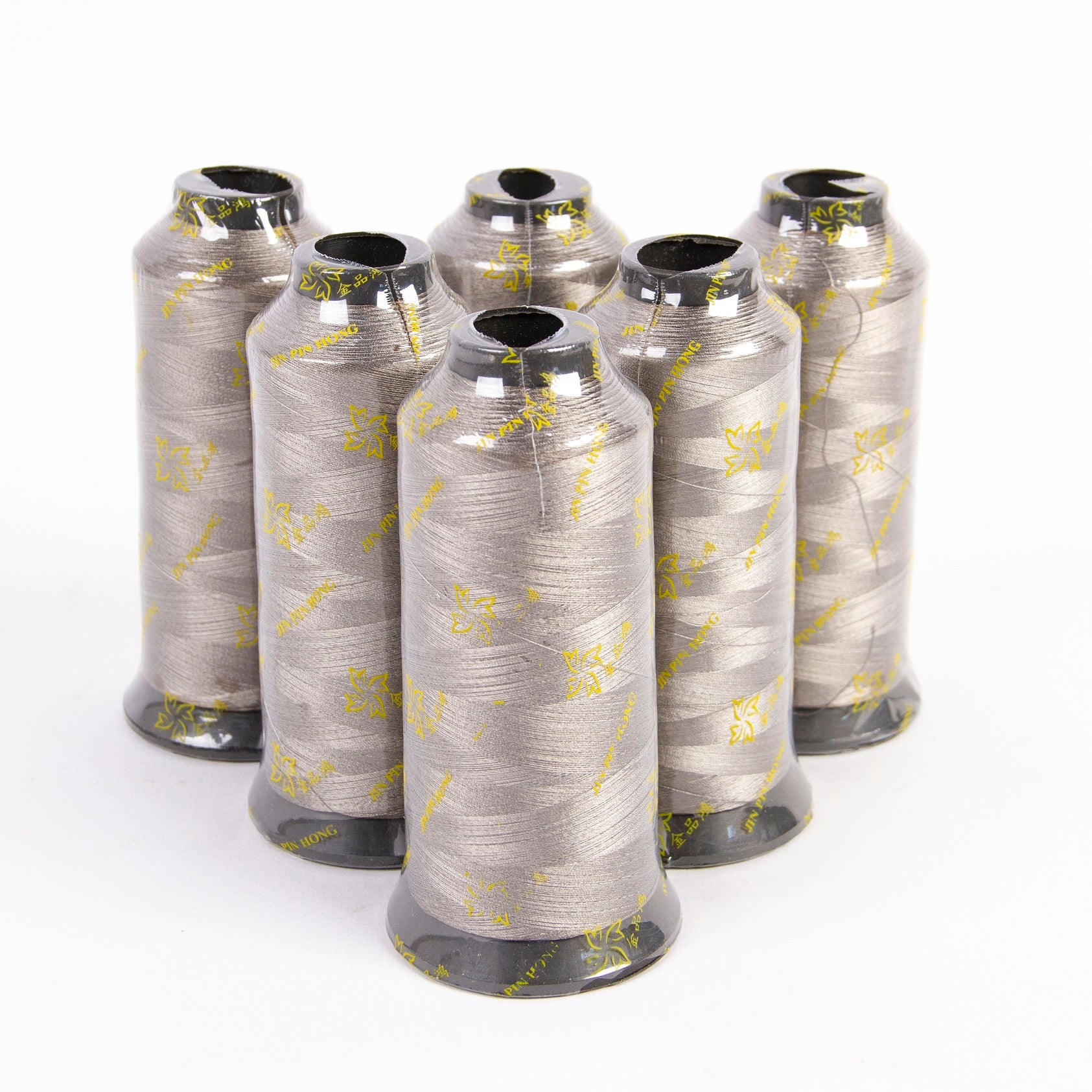
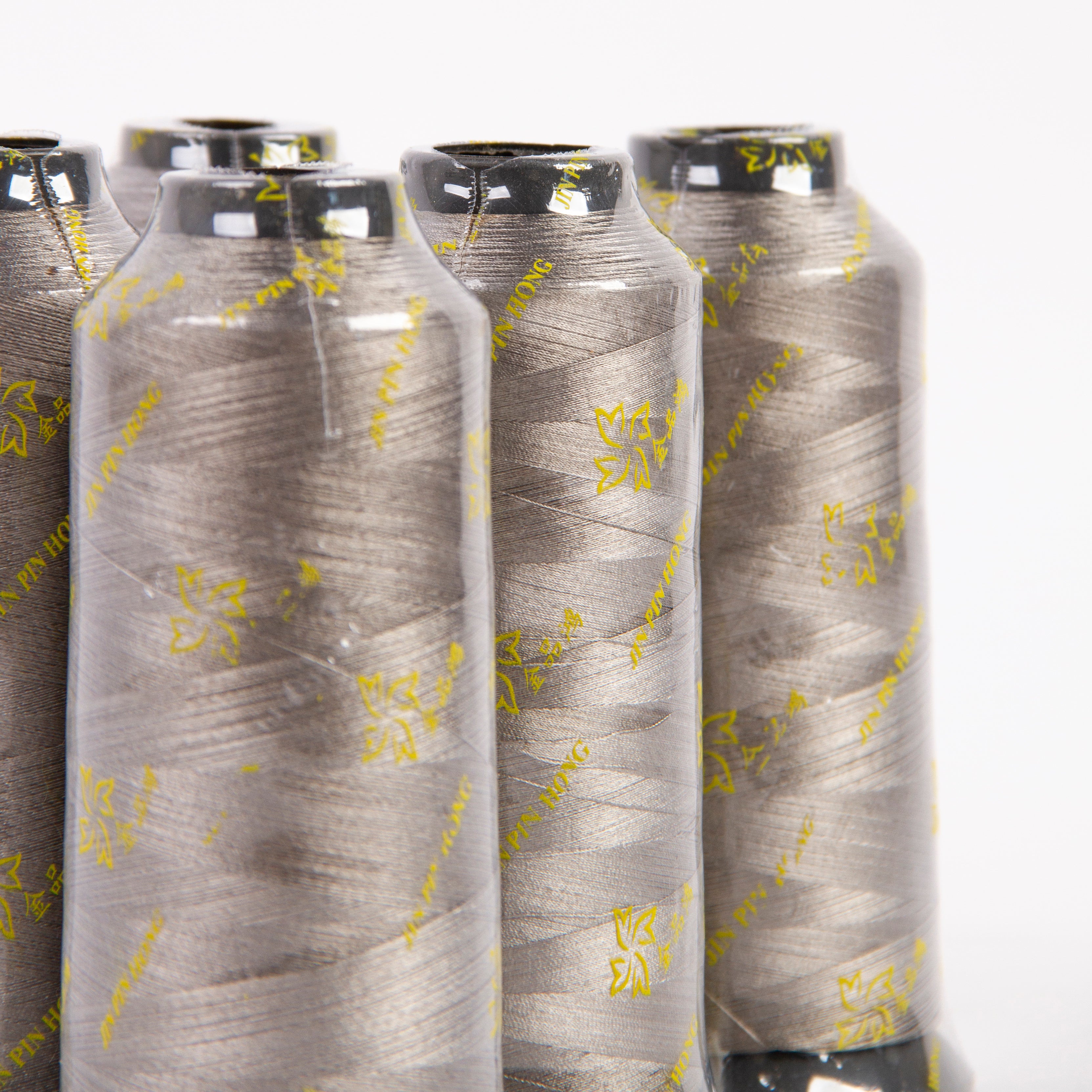
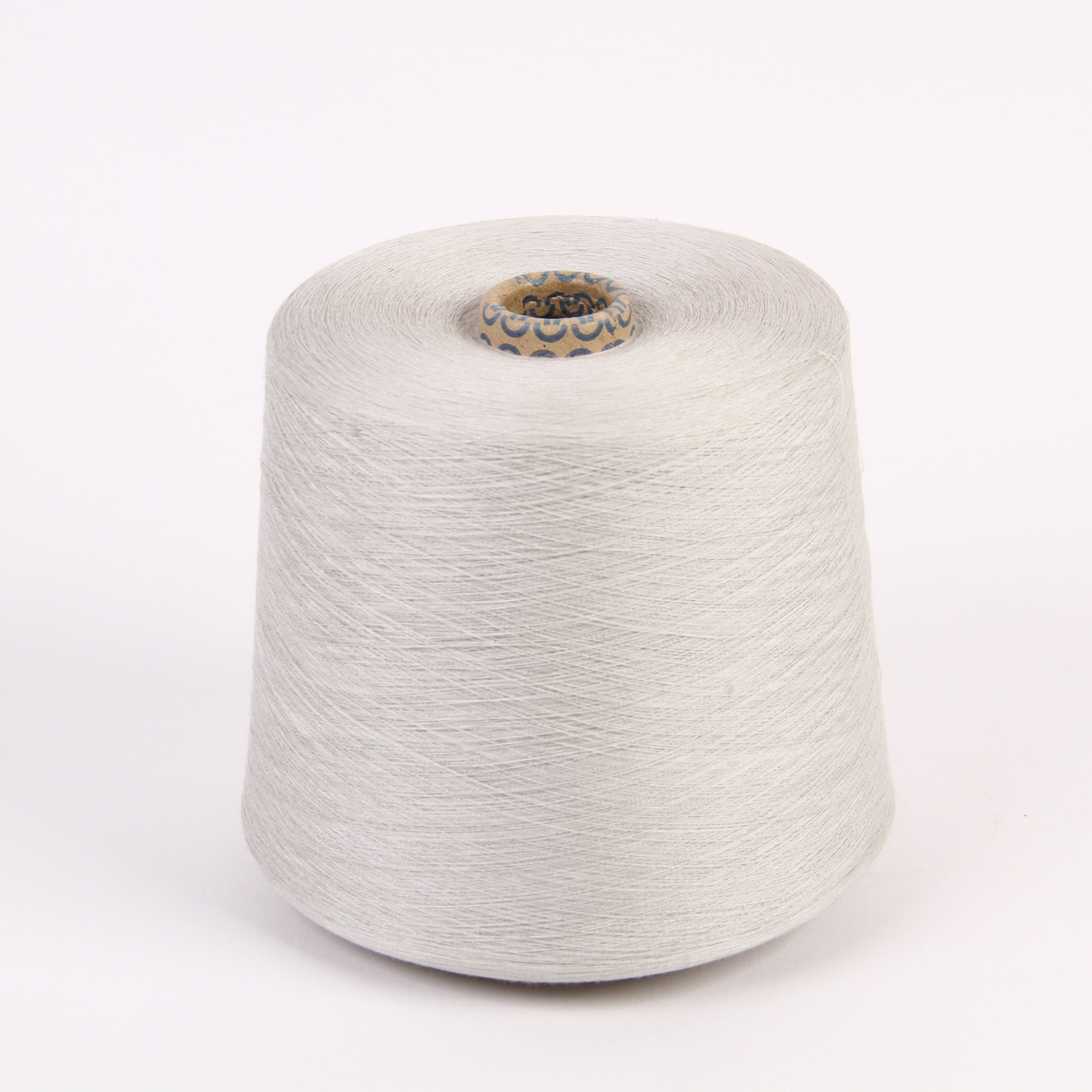
High-precision Silver Conductive Sewing Thread for the production of smart textiles, wearable electronics, and anti-static industrial garments. This thread provides stable electrical performance for technical stitching.
Key Benefits:
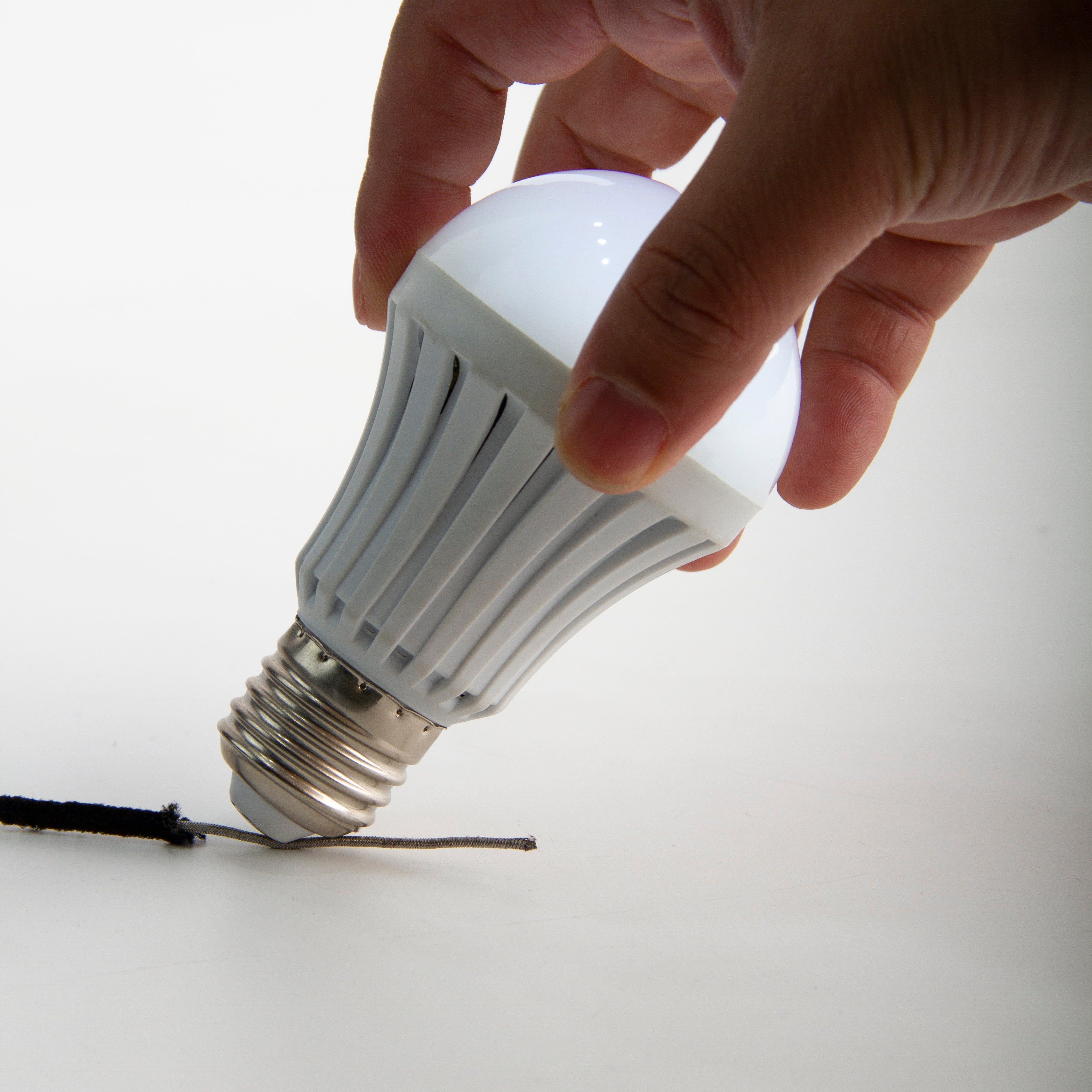
- Stable Conductivity: Provides consistent electrical connection for sensing, heating, and data transmission in textiles.
- Anti-Static Performance: Effectively reduces static discharge in sensitive electronic and industrial environments.
- Durable & Strong: Engineered to withstand the rigors of industrial sewing and repeated use in technical apparel.
- Corrosion Resistant: High-purity silver plating ensures long-lasting conductivity even in varying conditions.
Technical Specifications:
- Material: Silver Plated Nylon Filament
- Resistivity: < 300 Ohm/m
- Count: 70D/3
- Length: 3500 Meters per spool
Care Instructions:
Hand wash finished garments cold. Avoid alkaline detergents. Store in a cool, dry place.
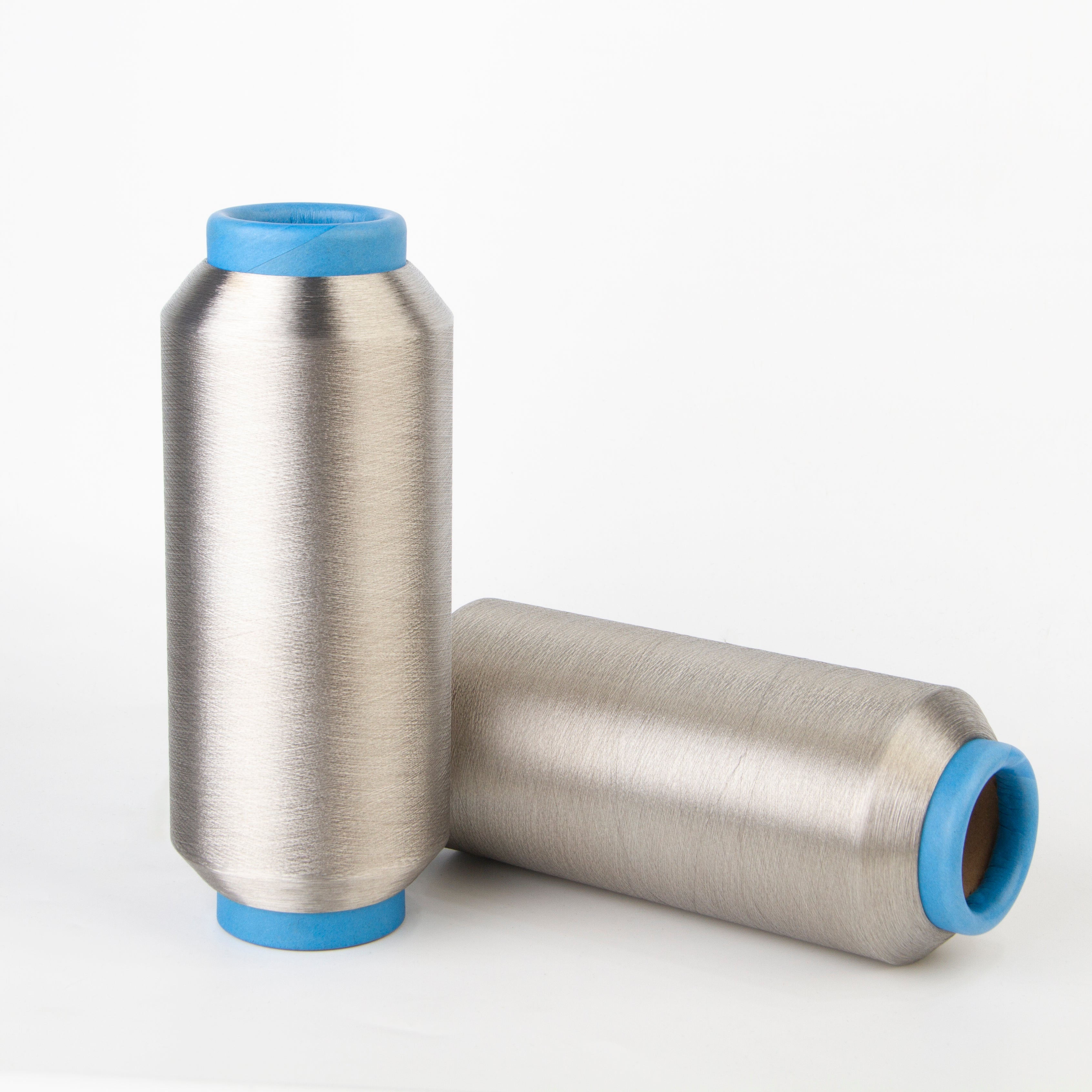
Common Metallic Yarn Comparison
Yarns with a true continuous metallic phase for dependable conductivity
Silver
Nickel
Stainless Steel
Metal Coated
Core Sheath
Blended
☆☆☆
☆☆☆
☆☆
☆
☆☆☆
☆☆☆
☆☆☆
☆☆☆
☆
Application Fields
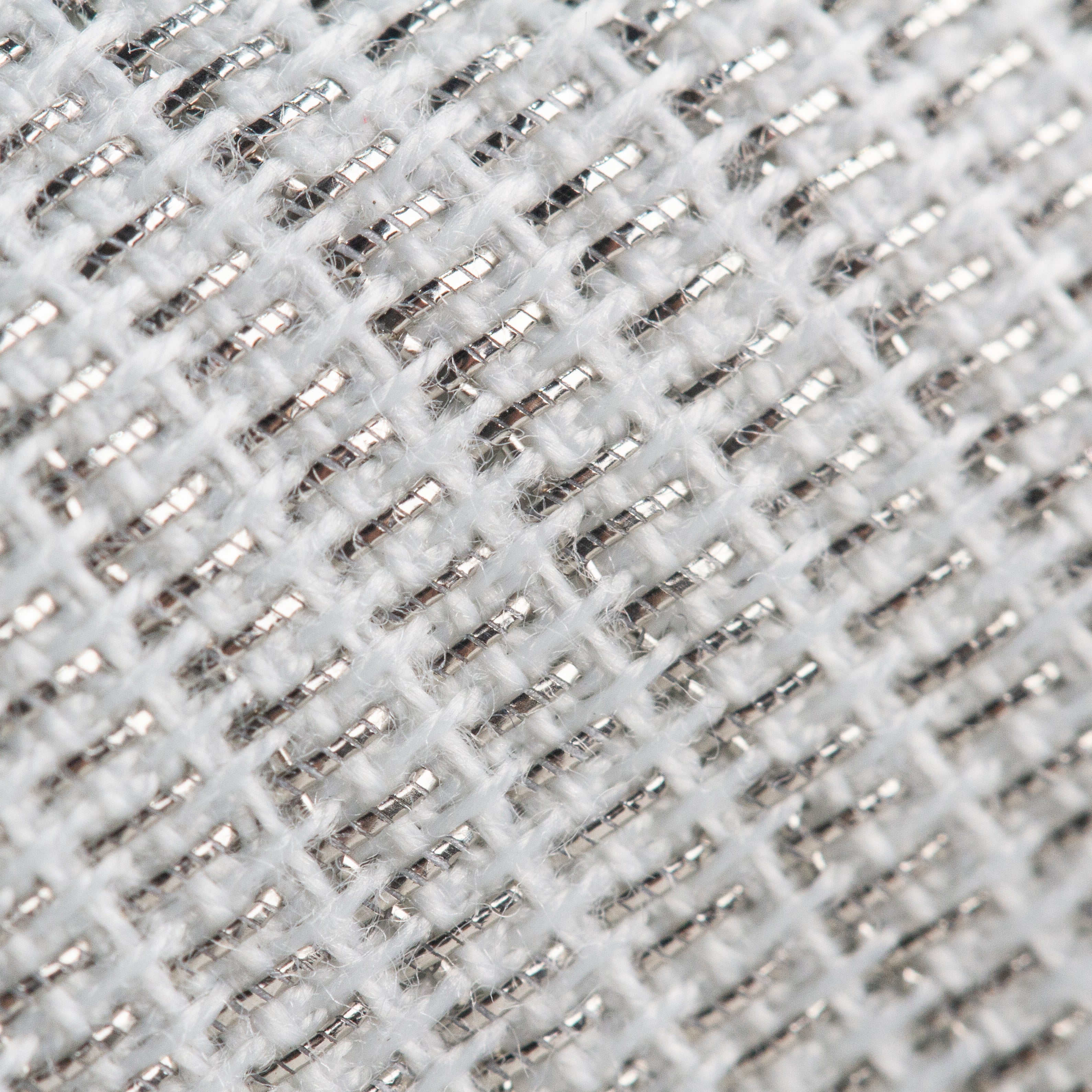
Metallic yarns embed conductive metals within textile architectures, preserving flexibility while ensuring stable performance. This engineered structure allows them to perform effectively in technically demanding environment
EMF Shielding Textile
Enables continuous conductive networks to reflect and attenuate electromagnetic signals
Smart Textile Circuits
Provides wire-like conductivity while preserving textile softness and mechanical flexibility
Heating Element
Generates controlled heat as a flexible resistive heating element under low-voltage current

OEKO-TEX Standard 100 certification relates to restricted-substance testing for textile materials. It does not certify conductivity or RF shielding performance. Ask YUNJIA TEXTILE for available material documentation before selecting yarn for a specific textile project.

Metallic yarns are tested by independent laboratories to confirm metal content, conductivity, and functional performance. These evaluations ensure consistent quality and dependable electrical behavior when incorporated into technical textile structures
OEKO-TEX Standard 100 certification relates to restricted-substance testing for textile materials. It does not certify conductivity or RF shielding performance. Ask YUNJIA TEXTILE for available material documentation before selecting yarn for a specific textile project.
Metallic yarns are tested by independent laboratories to confirm metal content, conductivity, and functional performance. These evaluations ensure consistent quality and dependable electrical behavior when incorporated into technical textile structures
FAQ
Why does the price of silver yarn fluctuate?
Silver yarn is plated with 99.9% pure silver, making its cost closely linked to global precious metal market prices. As silver prices change, the material cost adjusts accordingly.
How long is one spool of yarn?
Yarn length is determined by its net weight and denier (linear density).
Denier represents the weight in grams per 9,000 meters.
The approximate length can be calculated as:
Length (m) = (Net Weight × 9000) ÷ Denier
For example, a 260D yarn with 100g net weight equals approximately 3,460 meters.
How should metallic yarn be stored?
Most metallic yarns can be stored under normal dry indoor conditions, away from moisture and direct sunlight.
For silver-plated yarns, we recommend storing in a cool, dry environment with minimal humidity exposure to reduce surface oxidation. Keep sealed when not in use for best preservation.